The FAMA Standard:
Why Licensed Production Begins and Ends with Authorization
In the global ecosystem of branded entertainment, intellectual property (IP) is a treasure that requires the highest level of fortification. For brands operating within the Disney umbrella—including Marvel, Pixar, and Star Wars—the definitive barrier to entry is not merely quality or capacity; it is the Facility and Merchandise Authorization, commonly known as FAMA. Understanding what is FAMA compliance in manufacturing is the first step toward securing a legal and profitable presence in the toy industry. FAMA acts as the official "Green Light" from The Walt Disney Company, serving as a legal mandate that confirms a specific facility has been vetted and approved to handle sensitive IP. Without this authorization, a factory is essentially a prohibited zone for licensed goods. At Unstoyppable, we view FAMA as the "Passport" for your merchandise, ensuring that every unit produced is born from a legacy of compliance and legal integrity.
The Definition of FAMA:
A Facility-Specific Mandate
A common misconception in licensed merchandise production is that FAMA is a general business license or a transferable certificate. In reality, it is a highly specific, non-transferable authorization tied to a single physical location.
The "Facility-Specific" Nature of Authorization
When an authorized Disney product manufacturer is granted a FAMA, that authorization applies exclusively to the address listed on the document. It is a precise link between the licensor, the licensee, and the physical factory floor. This specificity is designed to prevent "production leakage," where goods might otherwise be moved to unvetted, lower-standard workshops. Every time a new product is developed or a production line is moved, the Disney FAMA certification requirements demand a fresh look at the facility’s current status. At Unstoyppable, we manage this complexity by maintaining a network of facilities where the FAMA is already active and verified, providing our clients with immediate legal clearance for their 2026 product launches.
FAMA as a Legal Contract
The FAMA document is more than a piece of paper; it is a declaration that the facility is operating under the strict supervision of the Disney International Labor Standards (ILS) program. It signifies that the factory has agreed to open its doors to unannounced inspections and to uphold the brand's reputation at every stage of the OEM licensed product manufacturing process. For a brand owner, holding a valid FAMA for your production site is the only defense against claims of unauthorized manufacturing, which can lead to immediate contract termination and the destruction of all non-compliant inventory.
The ILS Program Link:
The Minimum Compliance Standard (MCS)
FAMA does not exist in a vacuum; it is the output of the Disney International Labor Standards (ILS) program. This program is the governing framework that dictates the Minimum Compliance Standard (MCS) for any factory touching Disney IP.
Understanding the ILS Program Manual 2026
The ILS Program Manual 2026 serves as the "Bible" of social compliance. it outlines the expectations for worker safety, environmental protection, and ethical labor practices. To qualify for a FAMA, a factory must demonstrate that it meets the MCS, which is a set of "Red Line" requirements. These include the total absence of child labor, forced labor, and serious health and safety hazards. By choosing an authorized Disney product manufacturer through Unstoyppable, you are opting into a system where these standards are already the baseline. We ensure that our factory partners are not just meeting the MCS, but are actively striving for "Best-in-Class" ratings within the ILS framework.

The Power of the Minimum Compliance Standard
The MCS is a filter that removes risk from your supply chain. It ensures that your brand is never associated with unethical labor practices that could lead to a PR disaster or "Cancel Culture" backlash. In the 2026 retail environment, consumers are more vigilant than ever about the origin of their toys. FAMA authorization under the ILS program provides the evidence you need to prove that your products are made with respect for human dignity. It turns "ethical manufacturing" from a buzzword into a verifiable business asset.
Is Your Factory Legally Authorized?
An unverified factory is a ticking time bomb for your licensing agreement. Ensure your 2026 production is 100% legal and protected.
FAMA vs. Audit:
Permission vs. Evidence
One of the most critical distinctions in what is FAMA compliance in manufacturing is the difference between an audit and the authorization itself. Brands often confuse a "passing audit" with having "permission to produce."

The FAMA is the Permission
The FAMA is the "Permission." It is the final verdict issued by Disney after they have reviewed the audit evidence and confirmed that the factory meets all Disney FAMA certification requirements. Only when the FAMA is issued and the facility is listed as "Active" in the Disney system can production legally begin. Unstoyppable bridges this gap by managing the flow of audit data and the FAMA application process, ensuring that the "Evidence" always leads to the "Permission" without administrative delays.
The Permitted Sourcing Countries (PSC) Policy in 2026
For brands manufacturing in China, the Permitted Sourcing Countries (PSC) Policy is a vital component of the FAMA puzzle. In 2026, Disney has maintained high standards for sourcing from China, requiring specific levels of transparency and third-party oversight.
Why China Requires Specialized Oversight
As a key manufacturing hub, China is subject to the Disney PSC policy, which mandates that factories must provide valid, recent audits from accredited bodies to even apply for a FAMA. This policy is designed to ensure that the rapid scale of Chinese production does not come at the cost of human rights or safety. Choosing an authorized Disney product manufacturer in China requires a partner who understands the specific "Red Flags" that the ILS program looks for in this region. We specialize in navigating these regional nuances, ensuring that our Chinese factory network remains fully compliant with the evolving 2026 PSC mandates.

The Documentation Chain for PSC Compliance
Passing the 2026 Disney vetting process requires a perfect documentation chain. This includes not just the audit report, but also the business license of the factory, the lease agreements (to prove physical location), and a clear map of the facility's production capabilities. We compile this "FAMA Dossier" for every project, providing a level of transparent supply chain manufacturing that allows Disney’s ILS team to grant authorization with confidence. In the world of global licensing, a complete paper trail is the only way to turn the "Invisible Walls" of compliance into an open door for retail success.

Compliance Authority Note: FAMA is the ultimate seal of approval in the toy industry. It protects the brand, the licensor, and the consumer simultaneously. Without a FAMA, your product is a liability; with it, your product is a franchise.
The Minimum Compliance Standard:
How Audits Translate into FAMA Authorization
In the sophisticated landscape of 2026 manufacturing, the path to obtaining a FAMA is paved with rigorous documentation and transparent labor practices. Disney’s International Labor Standards (ILS) program does not require a unique "Disney-only" audit; instead, it utilizes a highly effective system of "Audit Equivalency." By understanding how a BSCI & Sedex audited toy factory satisfies the requirements for a FAMA, brand owners can significantly reduce their administrative burden. The Minimum Compliance Standard (MCS) Disney serves as the master filter in this process. It is the yardstick by which social compliance is measured. At Unstoyppable, we act as your technical advisor, vetting every audit report to ensure it meets the strict "Qualified" status required by the ILS program. Our proactive approach ensures that the "Audit Maze" becomes a streamlined corridor toward full production authorization.
Audit Equivalency:
Leveraging Global Standards for FAMA
The ILS program is designed to be efficient by accepting high-quality reports from recognized third-party auditing bodies. This allows for a more integrated approach to ethical toy manufacturing China, where one comprehensive audit can serve multiple stakeholders.
Qualified Audits:
BSCI (Amfori) and SMETA (Sedex)
Disney currently accepts audits conducted under the Amfori BSCI (Business Social Compliance Initiative) and the Sedex SMETA (Sedex Members Ethical Trade Audit) frameworks. However, simply having a report is insufficient; the report must be "Qualified." This means it must be conducted by an authorized third-party firm and must have been performed within a specific timeframe—usually within the last 12 months. An ethical toy manufacturing China partner must maintain a "C" rating or higher in BSCI, or show no critical non-compliances in a SMETA 4-pillar audit, to remain eligible. We manage this calendar for our clients, ensuring that every BSCI & Sedex audited toy factory in our network is scheduled for renewal long before their current report expires.
The Validity Window and ILS Verification
A critical component of the Disney ILS audit report process is the "Validity Window." If an audit is too old, the ILS system will automatically reject the FAMA application. Furthermore, the data in the audit must match the facility's registration exactly. Even a minor discrepancy in the factory name or the GPS coordinates can trigger a "Documentation Discrepancy" flag. Unstoyppable performs a pre-submission review of all social compliance audit for toys data. We ensure that every piece of evidence is perfectly aligned with the FAMA application, providing a frictionless path to approval.
The MCS Red Lines:
The Non-Negotiables of Licensed Production
The Minimum Compliance Standard (MCS) Disney defines the absolute floor for ethical behavior. These "Red Lines" are the non-negotiable standards that ensure the safety and dignity of the workforce.
Zero Tolerance for Prohibited Practices
The MCS is built on the total absence of four critical violations: Child Labor, Involuntary (Forced) Labor, Coercion/Harassment, and Serious Health & Safety hazards. In the 2026 production environment, Disney’s "Zero Tolerance" policy means that a single confirmed instance of these violations results in the immediate revocation of the FAMA and a permanent ban for the facility. We maintain ethical toy manufacturing China standards by conducting our own internal spot-checks between formal audits. We verify that every worker is of legal age, that all overtime is voluntary and compensated, and that the workplace is free from any form of intimidation. This multi-layered vetting process protects your brand from even the possibility of a "Red Line" violation.
Health and Safety:
Beyond the Basics
Serious Health & Safety hazards under the MCS include issues like blocked fire exits, lack of secondary exits, or uncertified dormitory conditions. These are considered "immediate threats to life." An authorized Disney product manufacturer must prove that its facility is a sanctuary for its workers. Our technical teams assist factories in optimizing their floor plans and safety equipment, ensuring that every BSCI & Sedex audited toy factory we work with surpasses the MCS requirements. We believe that a safe worker is a productive worker, and a safe factory is a sustainable business partner.
Protect Your Production with Verified Audits
One audit failure can stop your entire supply chain. Secure your "Green Light" with a partner that understands the Minimum Compliance Standard (MCS) Disney inside and out.
Explore Our Audited Factories | Learn About Ethical Standards
The Remediation Window:
Maintaining Continuity Through CAP
Not all audit findings are "Red Lines." Many factories encounter minor "Non-Compliances" (NCs) that require attention but do not immediately disqualify them from holding a FAMA. This is where the Remediation Window and the Corrective Action Plan (CAP) become essential.
Managing Corrective Action Plans (CAP)
When a social compliance audit for toys identifies a non-critical issue—such as a missing localized safety sign or a record-keeping error—the factory is given a "Remediation Window" to fix the problem. During this time, the FAMA remains active, but the factory must provide evidence that the issue has been resolved. Unstoyppable takes the lead in this process. We work directly with the factory management to implement the CAP, providing the Disney ILS audit report team with the necessary proof of resolution. This hands-on management prevents minor issues from escalating into major compliance hurdles, ensuring your production continues without interruption.

Proactive Improvements for Long-Term Status
Our goal is to move beyond mere remediation toward continuous improvement. We encourage our partners to treat every audit as a roadmap for excellence. By resolving minor NCs quickly and permanently, we ensure that the next Disney ILS audit report is cleaner and the FAMA renewal is even faster. This proactive stance is what makes us a leader in ethical toy manufacturing China. We don't just find problems; we engineer the solutions that keep your brand in good standing with the world's most demanding licensors.
Subcontractor Risk:
The "Whole Facility" Authorization Rule
One of the most frequent causes of licensed merchandise production failures is the unauthorized use of subcontractors for "secondary" processes like packaging, spray-painting, or final assembly.
The FAMA Necessity for Every Site
The Disney ILS policy is clear: every physical location where production occurs—including any site that handles the final retail-ready packaging—must have its own FAMA. If a primary BSCI & Sedex audited toy factory sends your goods to an unvetted site for finishing, those goods are considered unauthorized and are subject to seizure. This "Whole Facility" rule is a major point of secure supply chain for licensed products management. We strictly monitor the movement of all materials, ensuring that every facility in the chain of custody is a FAMA-authorized site.
Total Visibility Across the Supply Chain
Our transparent supply chain manufacturing model provides you with a clear map of every facility involved in your project. We ensure that each site has its own verified Disney ILS audit report and active FAMA. By maintaining this level of visibility, we eliminate the risk of "IP leakage" and ensure that your shipment passes every customs inspection. In 2026, compliance is not just about the final product; it is about every hand that touches it. At Unstoyppable, we make sure those hands are authorized and ethical.

Technical Compliance Insight: The Minimum Compliance Standard (MCS) Disney is a dynamic target. As global labor laws evolve, so does the ILS manual. Partnering with a specialist who tracks these 2026 updates is the only way to ensure your FAMA remains an asset, not a liability.
Securing the Supply Chain:
From FAMA Application to Global Customs Clearance
In the high-stakes arena of global retail, the distance between a brilliant design and a successful product launch is paved with meticulous documentation. For brands leveraging the world's most iconic IP, operational reliability is not just about the quality of the plastic or the softness of the plush; it is about the integrity of the "Paper Trail." In 2026, secure supply chain for licensed products management has evolved into a digital-first discipline. The Disney FAMA application process is the critical bridge that transforms a factory's capability into a legal authorization to manufacture. Without a perfectly synchronized documentation chain, even the most high-quality goods can face total destruction at the border. At Unstoyppable, we provide the visionary oversight required to navigate this landscape, ensuring that your transparent supply chain manufacturing remains bulletproof from the first application to the final customs stamp.
The Application Lifecycle:
Engineering Legality Before Production
Success in licensed toy quality control begins long before the assembly line starts moving. The Disney FAMA application process is a strategic prerequisite that must be handled with mathematical precision to avoid costly delays.
Pre-Production Authorization:
The "No-Touch" Rule
The Disney International Labor Standards (ILS) program operates on a strict "No-Touch" policy. This means that an authorized Disney product manufacturer is not legally permitted to engrave a mold, print a label, or even source raw materials containing Disney IP until a signed Facility and Merchandise Authorization (FAMA) is in hand. In 2026, the application lifecycle is managed through the Disney "Compass System," a centralized platform that requires real-time data submission. We manage this entire lifecycle for our partners, ensuring that the Disney FAMA application process is initiated the moment the style guide is approved. This proactive stance ensures that by the time your tooling is ready, your legal authorization is already active.
The Importance of the Facility ILS Number
Central to every application is the "Facility ILS Number." This unique identifier is the DNA of the production site in Disney's global database. Any error in this number, or a mismatch between the licensee’s contract and the facility’s registration, will result in an immediate rejection. Our transparent supply chain manufacturing model involves a double-verification of all ILS data. We ensure that the facility name, address, and GPS coordinates on your FAMA perfectly match the records held by Disney and customs authorities, eliminating the administrative friction that often plagues less experienced manufacturers.

Real-Time Verification at the Border
In 2026, US Customs and Border Protection (CBP) and EU customs offices utilize integrated databases to verify the legitimacy of licensed shipments. When a container of Disney-branded toys arrives, officials check the "Facility of Origin" against the FAMA database. If the facility listed on the Bill of Lading does not have an "Active" FAMA status for that specific licensee and business unit, the shipment is flagged as counterfeit. This can lead to the "Total Destruction" of the goods at the importer's expense. We protect our clients by ensuring that every customs export for toys dossier includes a certified copy of the FAMA and a clear link to the secure supply chain for licensed products records, providing a seamless "Green Lane" through international borders.
The Risk of Facility Mismatches
A "Facility Mismatch" occurs when a factory, under pressure to meet a deadline, moves production to a "Sister Factory" that does not hold a FAMA for that specific IP. Even if the quality is identical, the legal status is not. This is a primary reason why we maintain 100% visibility over our factory floor. Our transparent supply chain manufacturing ensures that the facility authorized on the FAMA is the only facility where the work is performed. This logistical rigor is what provides our partners with the "Peace of Mind" that their investment is safe from seizure.
Ready to Scale Your Disney-Licensed Line?
Don't let a paperwork error derail your global launch. Partner with a manufacturer that treats 2026 compliance as a competitive advantage.
Learn About Our Secure Supply Chain | Explore Global Logistics Solutions
The "Ghost Factory" Danger:
Preventing Unauthorized Subcontracting
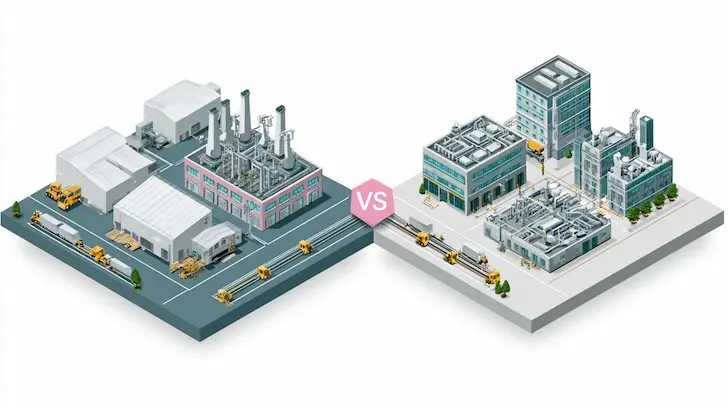
In the world of licensed toy quality control, "Ghost Factories" represent the single greatest threat to brand integrity. These are unvetted, unauthorized facilities used by unscrupulous suppliers to lower costs or bypass production bottlenecks.
Eliminating Unannounced Subcontracting
Unauthorized subcontracting is a direct violation of Disney's ILS policy and 2026 transparent supply chain manufacturing requirements. If any part of the manufacturing process—including "secondary" tasks like spraying, printing, or final packaging—is moved to a non-FAMA facility, the entire batch is compromised. At Unstoyppable, we utilize on-site QC presence and ERP tracking to ensure all production remains within the "Authorized Zone." Our secure supply chain for licensed products is designed to be a closed loop, where every stage of production is verified by our compliance team.

2026 Update:
The "Compass" System and Environmental Disclosure
The 2026 update to the Disney ILS Program includes the full integration of the "Compass System." This digital platform requires more than just social compliance; it now includes a "Health & Safety Supplemental Guide" and mandates for environmental disclosure. Factories must now report on their "Chemical Management Systems" and energy consumption. As an authorized Disney product manufacturer, we have already integrated these 2026 benchmarks into our auditing process. We ensure that our factory network is not just socially compliant, but also environmentally transparent, meeting the modern expectations of Disney and the global toy market.
Frequently Asked Questions About FAMA Compliance
Does a FAMA certificate expire?
Yes. A FAMA is generally tied to the validity of the facility’s social compliance audit (e.g., BSCI or Sedex). In 2026, most FAMAs require an annual re-submission or verification through the Disney Compass System to ensure the facility still meets the Minimum Compliance Standard (MCS).
Can I use one FAMA for multiple Disney sub-brands (Marvel, Star Wars)?
Usually, a FAMA can cover multiple Disney Business Units (BUs) within the same geographic market. However, the Disney FAMA application process requires that each relevant BU (e.g., Disney Parks, Marvel, Lucasfilm) be listed on the application to ensure the facility is authorized for all associated IP.
What is the difference between an ILS Audit and a FAMA?
An ILS Audit (or an equivalent like BSCI/Sedex) is the *evidence* of a factory's social performance. The FAMA is the *permission* granted by Disney based on that evidence. You must have the audit to get the FAMA, but the audit alone does not authorize production.
Can a trading company hold a FAMA?
No, a FAMA is strictly facility-specific. While a partner like Unstoyppable manages the Disney FAMA application process and oversees the factory network, the FAMA itself is issued in the name of the physical manufacturing facility. The licensee/brand works with us to authorize the specific facility where their goods are produced.
Strategic Perspective: In 2026, compliance is the ultimate brand asset. A bulletproof paper trail doesn't just pass audits; it builds the trust required to secure long-term licensing deals. At Unstoyppable, we don't just build products; we build compliant legacies.