CPSIA Compliance Manufacturing:
The Regulatory Backbone of US Toy Distribution
Navigating the complex landscape of the United States consumer market in 2026 requires more than just a high-quality product; it demands a rigorous adherence to federal law. The Consumer Product Safety Improvement Act (CPSIA) serves as the primary legal framework governing the safety of children’s products. For any brand or intellectual property holder, CPSIA compliance manufacturing is the absolute prerequisite for legal entry into the US. At Unstoyppable, we operate as a strategic "Safe Harbor" for our clients. We recognize that the burden of safety is a multifaceted legal obligation, and our role as a CPSC approved manufacturer China partner is to ensure that every unit produced—from the simplest vinyl figure to the most complex interactive electronic toy—is engineered to meet and exceed these federal mandates. Our proactive integration of safety protocols at the molecular level ensures that your brand is protected from the catastrophic risks of recalls and legal seizures.
The Importer’s Liability:
Protecting the Brand Owner
A critical nuance of US safety law is the "Importer of Record" doctrine. Under the CPSC (Consumer Product Safety Commission) guidelines, the domestic company that brings the goods into the country is legally responsible for their compliance. This means the brand owner bears the full liability for any chemical or mechanical failure.
Mitigating Risk through an Audited Factory Network
To secure our clients against this liability, we leverage a FAMA compliant factory in China network that has been vetted by the world’s most stringent licensors, including Disney. Our CPSIA compliance manufacturing process starts with a comprehensive audit of the supply chain. By working with factories that are already accustomed to the high-stakes requirements of major entertainment franchises, we provide an inherent layer of protection. This systematic approach to US toy safety standards ensures that the "due diligence" required by federal authorities is not just a checkbox, but a documented reality of our production cycle. Choosing a partner that understands the legal weight of the importer's burden is the first step in successful licensed product manufacturing.
The Unstoyppable Safe Harbor Protocol
Our "Safe Harbor" protocol is designed to provide finality. It is a comprehensive safety management system that oversees every stage of development. By centralizing the compliance data, we allow our clients to focus on marketing and distribution, confident in the knowledge that their CPSC approved manufacturer China partner has handled the technical complexities of 16 CFR (Code of Federal Regulations).
Section 101 Lead Limits:
Chemical Purity in Substrates and Coatings
One of the most strictly enforced aspects of CPSIA is Section 101, which governs the permissible levels of lead. In 2026, the threshold for lead is virtually zero-tolerance, requiring surgical precision in material sourcing and application.
Substrate Integrity:
The 100ppm Standard
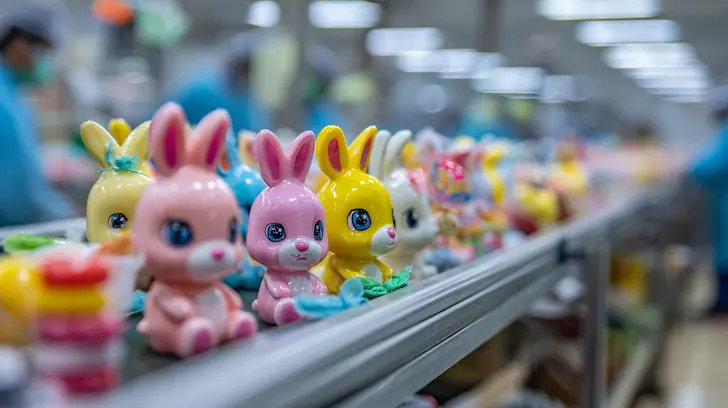
For all accessible parts of a toy, the total lead content must be at or below 100 parts per million (ppm). This includes the core resins used in injection molded toy manufacturer processes, such as ABS, PVC, and PP. At Unstoyppable, we verify lead and phthalate limits toys by mandating the use of 100% virgin resins. Recycled materials are frequently the source of "hidden" lead contamination; by strictly utilizing virgin polymers, we maintain a clean substrate that effortlessly passes third-party toy lab testing. This commitment to material purity is what defines us as a premium CPSC approved manufacturer China.
Surface Coatings and Printing Film:
The 90ppm Threshold
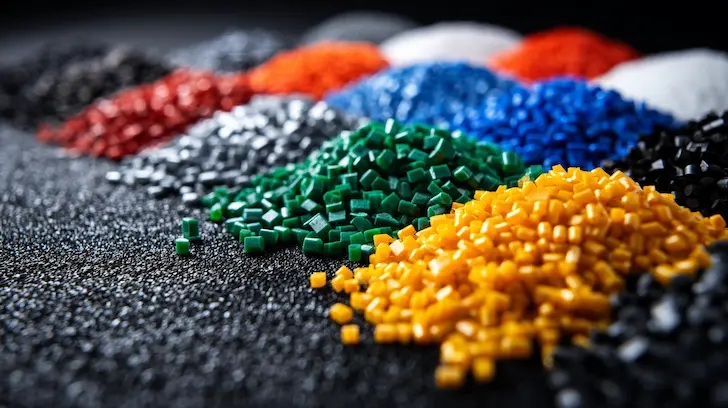
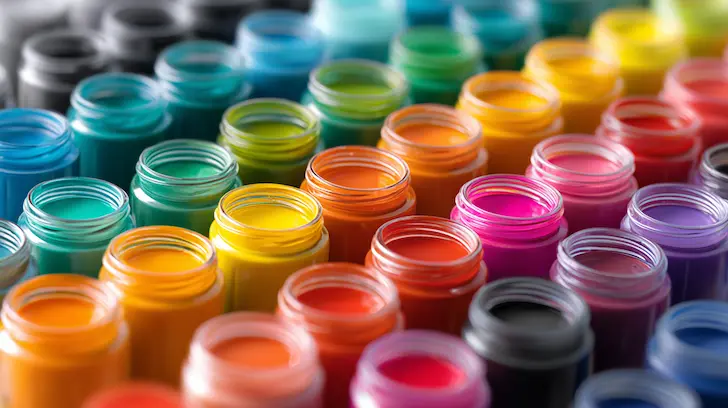
The standard for surface coatings—paints, inks, and printing film for toy materials—is even more rigorous, set at 90ppm. During the application of printing film for mass production, we use specialized non-toxic inks that are chemically bonded to the surface. Our CPSIA compliance manufacturing process involves pre-testing these inks in their liquid state and post-testing them once cured on the toy. This double-verification ensures that the decorative elements of your character are not only vibrant but entirely safe for contact with children. We treat the surface of the toy as a critical safety interface, ensuring that the printing film for toy materials never compromises the product's integrity.
Frictionless Entry into the US Market
Regulatory failure is the most expensive mistake in manufacturing. Consult with our CPSIA compliance manufacturing experts today to audit your current production specs and ensure 100% compliance.
View ASTM F963 Engineering Standards | Explore Our Full Quality Cycle
ASTM F963 Incorporation:
Voluntary Standards Made Mandatory
Under the CPSIA, the previously voluntary ASTM F963 standard was adopted as a mandatory federal safety rule. This transformation means that the mechanical and physical testing of toys is now a matter of federal law, enforced with the same vigor as chemical limits.

Advanced Material Engineering for Physical Compliance
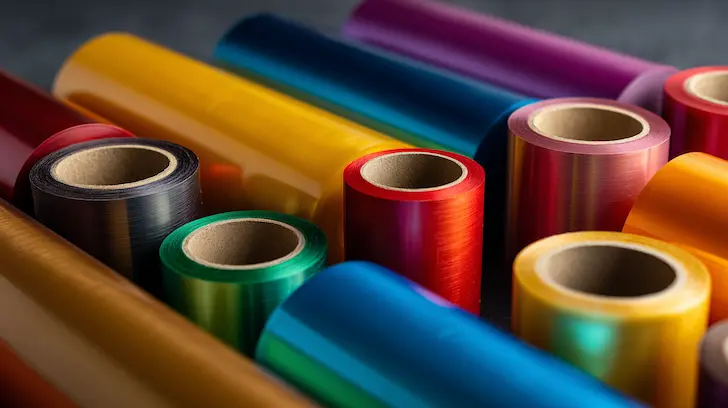
Beyond the mold, we focus on toy material engineering to ensure flexibility and impact resistance. We utilize high-grade phthalate-free toy materials that do not become brittle over time. A brittle toy is a safety hazard; by selecting resins with high impact strength, we ensure the toy remains intact after a drop, preventing the creation of sharp edges. This holistic view of US toy safety standards means that we engineer safety into the very molecules of the plastic, ensuring that your product is inherently compliant from the moment it leaves the mold.
Children’s Product Certificates (CPC):
The Digital Passport to the US
The final and most critical logistical output of the CPSIA compliance manufacturing process is the Children’s Product Certificate (CPC). This document is the legal statement by the manufacturer or importer that the product complies with all applicable safety rules.
The Logistical Flow of CPC Generation
A CPC is not a mere form; it is a summary of valid third-party toy lab testing data. Our process is fully integrated: as soon as the final production samples pass testing at a CPSC approved manufacturer China accredited laboratory (such as SGS or Intertek), our system automatically compiles the data to generate the CPC. This certificate includes the identification of the product, the list of safety regulations passed, the manufacturer information, and the contact details for the record-keeper. Having this document ready before the container arrives at the Port of Long Beach or Savannah is essential for a secure supply chain for licensed products.

Ensuring Customs Readiness and Retail Acceptance
In 2026, the CPSC and US Customs (CBP) utilize automated systems to screen for the presence of a valid CPC. If the data is missing or inconsistent, the shipment can be flagged for a "Section 8" seizure. By providing a digital-first federal toy safety mandates dossier, Unstoyppable ensures that your goods move through customs with zero friction. Furthermore, major US retailers like Amazon, Walmart, and Target require the CPC as part of their vendor onboarding process. Our retail-ready quality assurance includes the delivery of these certificates as a standard part of our service, ensuring that your licensed merchandise manufacturer journey is successful from port to shelf.

Technical Authority Note: In the US market, ignorance of safety law is never an excuse. Our CPSIA compliance manufacturing protocols are designed to be your brand's shield. By mastering the chemical limits of Section 101 and the physical mandates of ASTM F963, Unstoyppable delivers more than just toys; we deliver legal certainty. We don't just follow the rules—we engineer them into the very DNA of your production.
Engineering for Safety:
From Resin Selection to Final Assembly
In the technical sphere of 2026 toy production, safety is an engineered characteristic that begins long before the first machine cycle. CPSIA material engineering at Unstoyppable is a meticulous discipline where chemical purity and mechanical resilience are harmonized. To meet the aggressive "Use and Abuse" simulations mandated by the CPSC, we treat every component as a critical safety assembly. By selecting non-toxic toy polymers and utilizing safe injection molding China protocols, we ensure that every toy is physically unassailable and chemically inert. Our engineering philosophy moves beyond passive compliance; we utilize predictive modeling and stress-analysis data to prevent failures, ensuring that your licensed products are built on a foundation of US toy safety standards. This meticulous focus on the molecular and structural integrity of the toy is what differentiates a premium licensed merchandise manufacturer from the standard industrial landscape.
Polymer Purity:
The Foundation of Chemical Compliance
The first step in CPSIA compliance manufacturing is the absolute control over raw material inputs. Under 16 CFR Part 1307, the prohibition of specific phthalates is a primary hurdle that requires sophisticated CPSIA material engineering to clear with total confidence.
The "Virgin Resin" Mandate for Phthalate Security
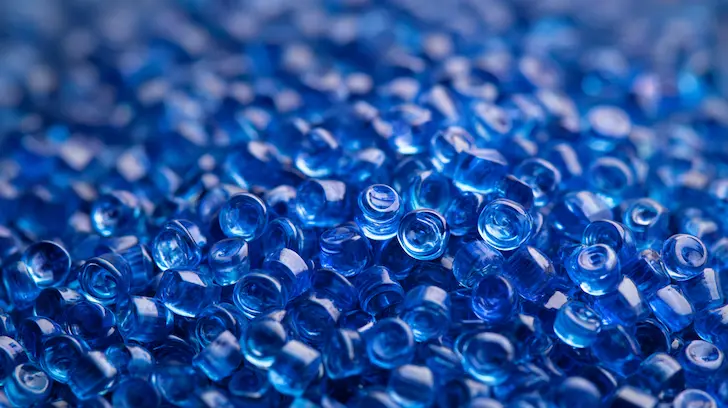
To ensure our products stay well within the 0.1% phthalate limit, we implement a strict 100% virgin resin policy. While recycled plastics are environmentally attractive, they frequently carry legacy contaminants from older, unregulated products. By utilizing only virgin phthalate-free toy materials, we maintain a clean molecular profile that is documented through a verifiable Certificate of Analysis (COA) for every batch. This commitment to safe injection molding China ensures that your products are free from restricted esters such as DEHP, DBP, and BBP, providing a level of purity that is essential for toys intended for the "under 3" category where oral contact is expected.
Material Stability and Environmental Resilience
Our toy material engineering team selects polymers that maintain their chemical stability over time. We utilize high-impact ABS and specialized TPE (Thermoplastic Elastomer) resins that are specifically formulated for the toy industry. These materials are chosen for their resistance to "stress whitening" and degradation, ensuring that the phthalate-free toy materials do not leach or become brittle under UV exposure or temperature fluctuations. This chemical permanence is a cornerstone of our retail-ready licensed product production, ensuring the toy is as safe on the day of purchase as it is after a year of heavy use.
Surface Coating Stability:
Beyond Visual Excellence
The decorative finish of a character toy is often the most scrutinized element during a CPSC audit. We apply lead-free surface coatings with a technical focus on adhesion and chemical stability.
The "Scrape Test" and Adhesion Engineering
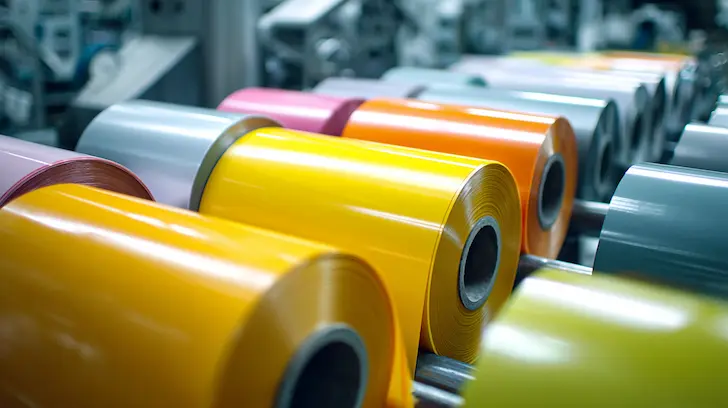
CPSIA Section 101 mandates that surface coatings must not contain lead levels exceeding 90ppm. However, the physical stability of the coating is equally important. We engineer our printing film for mass production to pass the rigorous "Scrape Test" and "Cross-Hatch Adhesion Test." By utilizing corona treatment on the plastic substrate before applying printing film for toy materials, we create a high-energy surface that forms a permanent chemical bond with the ink. This ensures that even under aggressive play, no flakes or chips of paint are released, eliminating the risk of accidental ingestion. This mechanical bond is a vital part of our safe toy decorative finishes strategy.
UV-Curable and Water-Based Inks
We utilize the latest in 2026 coating technology, including UV-curable inks that contain zero volatile organic compounds (VOCs). These lead-free surface coatings are cured instantly on the production line, creating a hard, non-porous shield that protects the character’s aesthetic while remaining 100% compliant with US toy safety standards. This transition to high-tech, non-toxic decoration methods allows us to achieve the vibrant colors required by entertainment style guides without compromising on CPSIA compliance manufacturing mandates.
Design for Compliance: Prevent Recalls Before They Happen
Mechanical failure is the leading cause of CPSC recalls. Discover how our CPSIA material engineering and "Design for Compliance" process ensures your character figures are unassailable.
Mechanical Integrity in Molding:
The Anti-Choking Protocol
The physical construction of a toy is governed by 16 CFR 1500.51-53, which dictates the "Use and Abuse" simulations that every product must survive. Our mold development & injection tooling is designed to meet these mechanical safety targets with a generous margin of safety.
Reinforced Geometries and Internal Locking
To prevent "small parts" from detaching—a primary choking hazard—our character engineering for toys team utilizes reinforced internal geometries. During the mold development & injection tooling phase, we design mechanical interlocks that go beyond simple glue bonds. For instance, limbs are attached using "mushroom-style" snaps or internal sonic-welded pins that can withstand far more than the mandatory 15-lb pull test. This mechanical safety testing toys approach ensures that even when a child applies extreme torque or tension, the toy remains in one piece. This is the essence of safe injection molding China at Unstoyppable.
Advanced Sonic Welding for Enclosed Parts
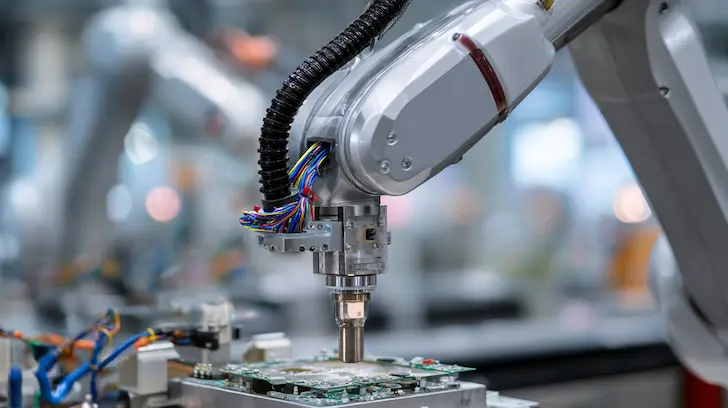
When toys contain internal components like weights or rattles, the security of the outer shell is paramount. We utilize automated ultrasonic welding to fuse the injection molded phthalate-free toys halves together. This process creates a molecular bond that is stronger than the surrounding plastic. Every welded batch is subjected to a robotic stress test to verify the hermetic seal, ensuring that internal hazards remain permanently encapsulated. This technical rigor is a core part of our CPSIA compliance manufacturing workflow for the US market.
Battery and Electronic Safety:
Safeguarding the Next Generation
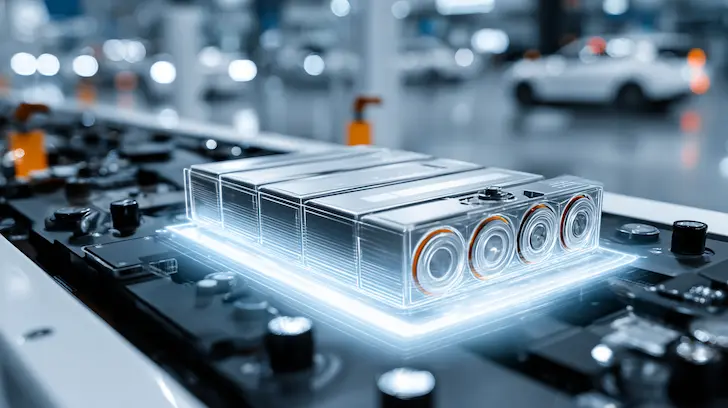
For the electronic toy manufacturer pillar, CPSIA imposes specific requirements to prevent access to batteries, which can be a severe ingestion hazard. We implement these safety features as a standard engineering requirement for all products intended for children under 3.
Tool-Required Battery Compartments
In accordance with US toy safety standards, all our electronic toys feature battery compartments that require a tool (usually a screwdriver) to open. We use high-quality, deep-set screws with captive washers to ensure that the screw remains attached to the door even when loosened. This prevents the screw itself from becoming a small-part hazard. Our CPSIA material engineering also includes the use of flame-retardant, high-impact plastics for battery housings, ensuring that the electrical heart of the toy is protected from physical damage and environmental stress.
Circuit Protection and Low-Voltage Safety
Beyond physical access, we engineer the internal electronics to be inherently safe. Our electronic toy manufacturer protocols include short-circuit protection and temperature-limited components to prevent overheating. This holistic approach to mechanical safety testing toys and electronic engineering ensures that your high-tech licensed products are safe for play, safe for the home, and 100% ready for the scrutiny of CPSC approved manufacturer China audits. By integrating these features at the prototyping stage, we accelerate your timeline to market while maintaining an unshakeable safety record.
The Engineering Edge: Safety is not an afterthought; it is a structural reality. Through CPSIA material engineering, safe injection molding China, and mechanical safety testing toys, Unstoyppable provides a manufacturing solution that is technically superior and legally unassailable. We engineer the risk out of your supply chain so you can focus on building your brand.
Lifetime Traceability:
Tracking Labels and Laboratory Protocols
In the eyes of the United States Consumer Product Safety Commission (CPSC), the physical toy and its supporting documentation are inseparable. In 2026, CPSC compliance documentation is the ultimate currency of the toy trade. At Unstoyppable, we treat the "Paperwork" with the same engineering precision as the "Product." This section details our batch traceability systems and the logistical infrastructure we use to maintain "Lifetime Traceability." By integrating CPSIA tracking labels directly into the manufacturing process and linking every unit to a verified third-party toy lab testing report, we ensure that your licensed merchandise is always audit-ready. Our solution-oriented approach transforms the complex burden of Section 103 into a streamlined, digital asset that protects your IP and accelerates your path through US customs.
Permanent Tracking Labels:
The Mandatory Identity of Safety
Under Section 103 of the CPSIA, all children's products must bear permanent tracking information. This is not merely a suggestion; it is a federal mandate designed to facilitate rapid communication in the event of a safety concern.
Implementing Section 103 on Product and Packaging
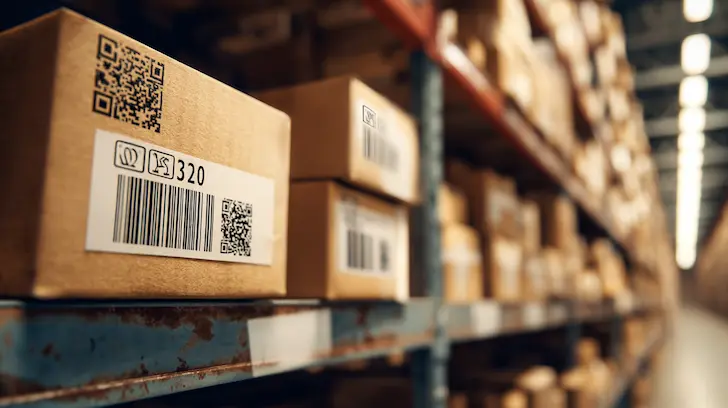
Every toy we manufacture includes CPSIA tracking labels that are permanently affixed to the product and its primary packaging. These labels provide critical data points: the manufacturer’s name, the specific location of production, the date of manufacture, and a unique batch code. For injection molded toy manufacturer projects, we often utilize "mold-in" date wheels or laser-etching to ensure the information remains legible for the lifetime of the product. This permanent marking ensures that even if the packaging is discarded, the batch traceability systems remain intact, allowing for precise identification of the production lot years after the initial sale.
Visual Clarity and Retail Compliance
We ensure that all CPSIA tracking labels are positioned to be conspicuous without compromising the aesthetic integrity of your character design. By coordinating with your design team during the golden sample development process, we integrate these marks into the toy’s footprint or hidden joints. This logistical foresight prevents last-minute packaging redesigns and ensures that your product is 100% compliant with US toy safety standards from the moment it hits the warehouse.


Coordinating with CPSC-Accepted 3rd Party Labs
Unstoyppable maintains direct technical integration with leading CPSC-accepted laboratories, including SGS, Intertek, and V-Trust. For every production run, we submit samples for 16 CFR 1500 testing, covering mechanical safety, flammability, and chemical analysis. These third-party toy lab testing reports are the foundation of your Children’s Product Certificate (CPC). By managing the sampling and testing process internally, we ensure that the "Pass" data is synchronized with your shipping timeline, preventing delays at the factory gate.
16 CFR 1500 Testing:
Mechanical and Flammability Rigor
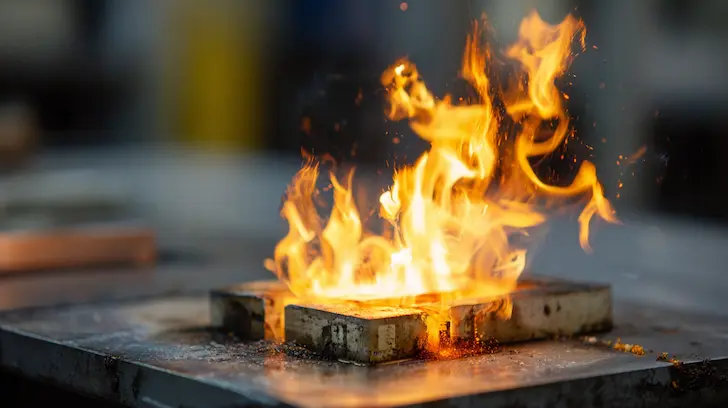
Our 16 CFR 1500 testing protocols simulate the most aggressive play scenarios. We verify that all materials—including phthalate-free toy materials and lead-free surface coatings—are non-flammable and physically stable. Because our engineering team pre-tests prototypes in our internal lab, our success rate in formal 3rd-party audits is nearly 100%. This authoritative approach to toy quality and safety compliance ensures that your technical file is unassailable during a CPSC field audit.
Secure Your US Distribution with a Verifiable Audit Trail
Documentation is the final stage of engineering. Contact Unstoyppable today for a comprehensive CPSIA compliance manufacturing package that guarantees 100% retail readiness.
ERP-Linked Traceability:
The Digital Backbone of Recall Readiness
True batch traceability systems go beyond a printed label; they require a deep integration between the factory floor and the management office.
Linking Raw Materials to the Final Carton
Our ERP production tracking system creates a digital thread for every order. We link the raw material batch number (ensuring phthalate-free toy materials) to the specific injection machine, the operator shift, and finally to the shipping carton's GTIN. This lifetime traceability means that in the unlikely event of a quality variance, we can identify exactly which units are affected and where they were shipped. This "surgical recall" capability is a primary requirement for entertainment merchandise manufacturing for brands like Disney or Marvel, where brand reputation is everything.

Customs Readiness and Section 8 Mitigation
US Customs and Border Protection (CBP) and the CPSC work together at the Port of Long Beach, Savannah, and New York to screen for non-compliant goods. A missing tracking label or an incomplete CPC can lead to a "Section 8" seizure, where goods are held or destroyed. By maintaining a CPSC compliance documentation portal for our clients, we provide the "Digital Passport" needed to satisfy customs officials instantly. Our transparent supply chain manufacturing model ensures that your goods spend minimal time at the port and maximum time on the shelf.
CPSIA Compliance FAQ
What is a Children's Product Certificate (CPC)?
A CPC is a mandatory document issued by the manufacturer or importer certifying that a product complies with all applicable US toy safety standards. It must be based on valid third-party toy lab testing results and must be available to the CPSC and customs upon request.
Do I need a separate test for every color in my toy line?
Yes. CPSIA requires that every distinct material and "surface coating" (paint or printing film for toy materials) be tested for lead and phthalates. We optimize this process through "composite testing" where allowed, but 100% coverage is required for a valid CPSC compliance documentation file.
How long must CPSIA compliance records be kept?
Under federal law, manufacturers and importers must maintain CPSC compliance documentation, including test reports and CPCs, for at least five years. Our ERP production tracking system provides secure, cloud-based storage for these records indefinitely.
Is my factory's FAMA certification enough for CPSIA?
While Disney FAMA is a prestigious ethical audit, it does not replace the legal requirement for CPSIA compliance manufacturing. FAMA focuses on IP and labor rights, whereas CPSIA focuses on consumer safety. You must have both to successfully distribute licensed products in the US.