ASTM F963 Compliant Manufacturer:
Mastering the Gold Standard for US Toy Safety
Navigating the North American retail landscape requires a partnership with a highly specialized ASTM F963 compliant manufacturer. In the United States, the Consumer Product Safety Commission (CPSC) mandates that all toys intended for use by children 12 years of age and under must meet the rigorous US toy safety standards codified under ASTM F963. At Unstoyppable, we view these regulations as an engineering blueprint rather than a hurdle. By integrating safety protocols into the very first stages of licensed toy manufacturing USA, we ensure that every product—from complex electronic gadgets to static collectible figures—is physically, mechanically, and chemically optimized for the American consumer. In 2026, staying ahead of CPSC toy regulations means employing advanced Design for Manufacturing (DFM) strategies that eliminate hazards at the source, ensuring a seamless path from the factory floor to major US retailers like Walmart, Target, and Amazon.
The ASTM F963 Framework:
A 2026 Perspective on Regulatory Excellence
The ASTM F963 standard is widely considered the "Gold Standard" because of its comprehensive nature. It covers a vast array of hazards, and as a leading ASTM F963 compliant manufacturer, we maintain a constant pulse on the latest 2026 updates to these requirements. Compliance is an active state of being that begins with a deep technical understanding of the CPSC toy regulations and how they apply to specific product categories.

Engineering for the 2026 Safety Landscape
Modern toy safety focuses heavily on high-risk components such as button cell batteries, high-powered magnets, and expanding materials. Our toy quality and safety compliance team ensures that your IP is developed using the most current engineering data. We focus on "foreseeable abuse" simulations, which anticipate how a child might interact with a toy in the real world. This proactive engineering stance allows us to build robust licensed toy manufacturing USA solutions that protect the end-user while safeguarding the brand owner from the catastrophic financial and reputational damage of a product recall.
The Essential Benchmark for US Market Entry
Success in the US market is built on trust. By adhering to the US toy safety standards, Unstoyppable provides brand holders with the technical foundation necessary to issue a Children’s Product Certificate (CPC). This certificate is the primary document required by US Customs and Border Protection and major retailers to prove that the product has been tested by a CPSC accepted third party lab. Our role as your manufacturing partner is to ensure that every technical file is complete, every test report is current, and every product is inherently safe.
Mechanical Integrity R&D:
Simulating Use and Abuse
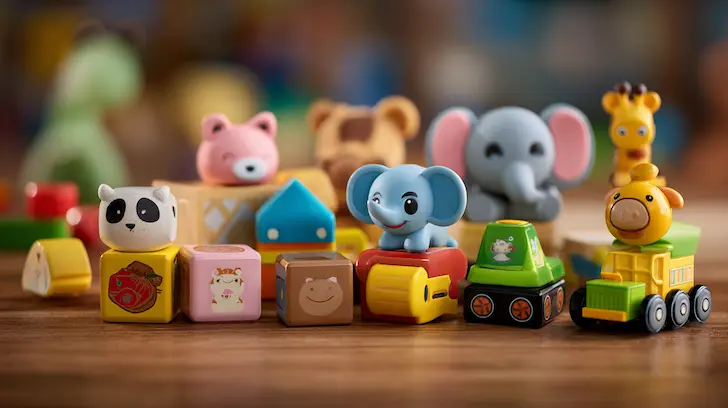
A core component of being an ASTM F963 compliant manufacturer is the ability to guarantee mechanical durability. We treat every joint, seam, and attachment point as a critical engineering node that must survive rigorous physical and mechanical toy testing.
Advanced Tension, Torque, and Compression Simulations
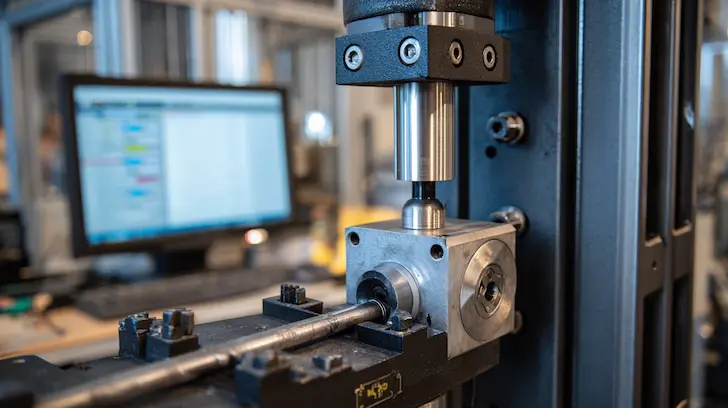
During the prototyping phase, our injection molded toy manufacturer experts use FEA (Finite Element Analysis) software to simulate the mechanical stresses of the ASTM "Use and Abuse" tests. We apply calculated tension to limbs, torque to rotating parts, and compression to hollow bodies to ensure that no "small parts" are created. If a component shows a tendency to detach under 15 lbs of tension, we re-engineer the internal locking mechanism or increase the sonic welding surface area. This level of physical and mechanical toy testing ensures that the final mass-produced unit is a carbon copy of the safe, tested prototype.
Seam Strength and Structural Reinforcement
For toys that consist of multiple molded parts, the seam is often the weakest point. We utilize high-frequency sonic welding and advanced adhesives to create permanent bonds that exceed the requirements of CPSC toy regulations. By reinforcing internal ribbing and optimizing the wall thickness of the plastic shell, we create a structural integrity that prevents the toy from splintering into sharp edges, even when subjected to extreme compression or twisting forces. This is the hallmark of premium licensed toy manufacturing USA.
Ensure Your US Market Launch is Bulletproof
Excellence in North American safety is an engineering achievement. Consult with our ASTM compliance engineers today to audit your product designs for the 2026 US market.
Molding for Impact Resistance:
Passing the Drop Test
One of the most challenging aspects of US toy safety standards is the "Drop Test," where a toy is dropped onto a tile-on-concrete surface from heights up to 4.5 feet (depending on the age grade). Passing this test requires a sophisticated understanding of polymer science and tool design.
Strategic Wall-Thickness and Energy Dissipation
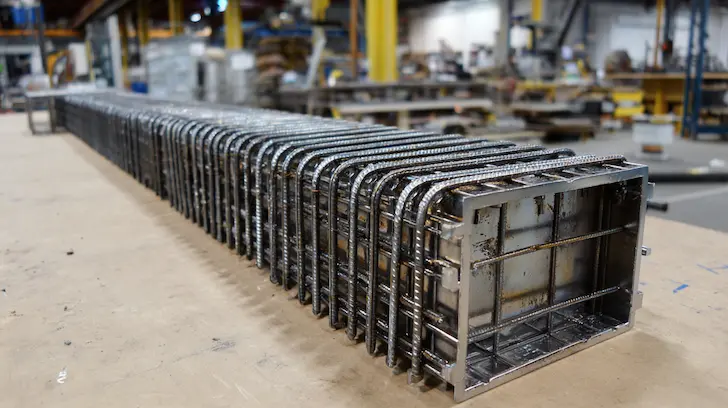
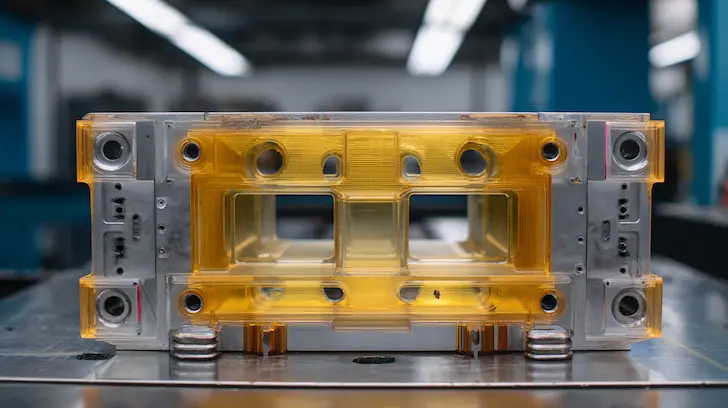
Our DFM process includes precise calculations for wall thickness—typically ranging from 2.0mm to 3.5mm for high-impact zones. We utilize toy mold flow analysis to ensure that the plastic cools uniformly, preventing internal stresses that could lead to brittle failure points. By adding internal radiused corners and energy-dissipating ribbing, we ensure the toy remains intact after multiple drops. This technical dedication to physical and mechanical toy testing is what allows Unstoyppable to deliver retail-ready products that withstand the rigors of the American playroom.
Age Grading Strategy:
Technical Differentiation for Safety
The ASTM F963 standard applies different criteria based on the intended age of the child. A successful ASTM F963 compliant manufacturer must be adept at engineering products specifically for these tiers.
Manufacturing for "Under 3" (0-36 Months)
For the "Under 3" category, the elimination of all small parts is the primary engineering focus. We implement "fail-safe" molding techniques where components are overmolded or mechanically locked using internal steel pins. Battery compartments for this age group are engineered with double-locking mechanisms—typically requiring a tool (screwdriver) plus a secondary manual latch—to prevent access to hazardous button cells. This licensed toy manufacturing USA strategy ensures that even the most inquisitive toddlers are protected from the risks of ingestion or choking.

Magnet Safety and Electronic Security for "Over 3"
For toys intended for older children, we focus on magnet and battery security. If a toy contains high-powered magnets, we engineer "encapsulation" systems where the magnet is molded inside a plastic housing that is then ultrasonically welded into the toy's body. This makes it virtually impossible for the magnet to become loose, satisfying the strict magnet-safety requirements of CPSC toy regulations. By clearly defining the age grading during the golden sample development process, we ensure that the labeling, warnings, and mechanical features are perfectly aligned with the target demographic, ensuring total licensed toy compliance USA.

The Unstoyppable Advantage: In the US market, safety is not a choice; it is a foundational requirement. By mastering ASTM F963 compliant manufacturing through superior physical and mechanical toy testing and polymer science, we provide our clients with the peace of mind that their products are "Unstoyppable." Let us handle the technical complexity of CPSC compliance so you can focus on scaling your brand.
Chemical Integrity:
Heavy Metal Limits and Non-Toxic Material Engineering
In the framework of North American commerce, the chemical composition of a toy is subject to the most intense scrutiny of any consumer product category. Achieving ASTM F963-17 chemical compliance is a sophisticated exercise in molecular management and supply chain discipline. At Unstoyppable, we treat chemical safety as an absolute metric of manufacturing quality. Our lead-free toy manufacturing protocols are designed to exceed the baseline requirements of the Consumer Product Safety Improvement Act (CPSIA), ensuring that every component—from the base substrate to the final decorative flourish—is chemically inert and safe for long-term interaction. By focusing on non-toxic toy materials at the source, we provide IP holders with a robust defense against chemical migration risks, positioning their products as the safest choice for American families and premium retailers alike.
Soluble Heavy Metal Testing:
Precision Beyond the 8 Elements
ASTM F963-17 mandates strict limits on the solubility of eight specific heavy metals. As an expert ASTM F963 compliant manufacturer, we utilize advanced laboratory techniques to ensure these elements remain trapped within the material matrix or are eliminated entirely from the production cycle.
Mastering the "Big Eight" via ICP-MS Analysis
Our ASTM F963-17 chemical compliance workflow centers on the monitoring of Lead (Pb), Antimony (Sb), Arsenic (As), Barium (Ba), Cadmium (Cd), Chromium (Cr), Mercury (Hg), and Selenium (Se). We employ Inductively Coupled Plasma Mass Spectrometry (ICP-MS) to detect these elements at the parts-per-billion level. This high-sensitivity testing ensures that the "soluble" portion of these metals—the amount that could be extracted by stomach acid if swallowed—is effectively non-existent. By maintaining levels significantly below the CPSC-mandated thresholds, we ensure a 100% pass rate during final third-party toy lab testing, providing a foundation of safety for every licensed toy manufacturing USA project.
Preventing Cross-Contamination in Compounding
Chemical purity is achieved through a clean-room approach to material handling. We implement dedicated stainless steel hoppers and closed-loop delivery systems for our non-toxic toy materials. This prevents "migratory contamination," where dust or residue from other industrial plastics might compromise the chemical profile of a toy run. By treating toy material engineering with the same rigor as pharmaceutical manufacturing, we guarantee that the final product is a pure reflection of its safety-certified Bill of Materials (BoM).

Advanced Printing Film Techniques:
The Future of Decorative Safety
Surface coatings and paints are historically the highest risk areas for heavy metal violations. At Unstoyppable, we lead the industry by utilizing printing film safety USA standards to replace traditional wet-paint applications.
In-Mold Decoration for Chemically Inert Graphics
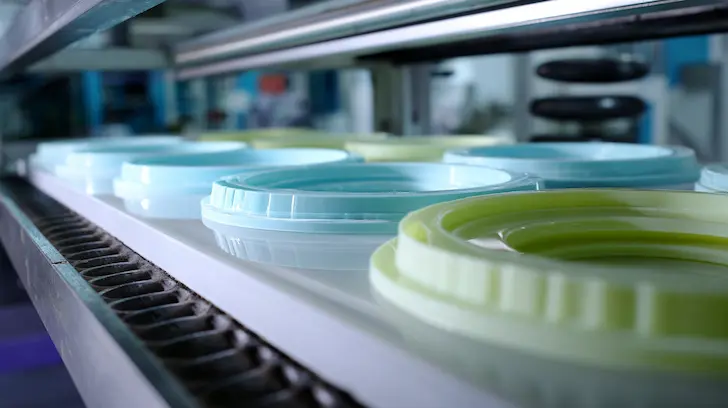
Our printing film for mass production is pre-certified for the North American market. Instead of applying paint to a finished toy, we fuse high-definition films directly into the plastic during the injection molding process. These films are engineered using UV-cured, VOC-free inks that contain zero lead or heavy metals. This technical optimization ensures that the character's vibrant colors and intricate details are "locked" within the surface layer, making them resistant to saliva and friction. This method is the definitive solution for character product manufacturing where high-detail aesthetics must coexist with absolute ASTM F963-17 chemical compliance.
Durability as a Safety Feature
A decorative finish that flakes or peels is a physical and chemical hazard. By using printing film for toy materials, we create a finish that is structurally part of the toy itself. This permanent bond ensures that graphics remain intact throughout the toy's lifecycle, preventing the ingestion of small paint chips. This high-durability approach is essential for maintaining the premium "licensed look" required by entertainment brands while meeting the non-toxic toy pigments standards of the US market.
Don't Risk a CPSC Recall
Chemical safety is the silent guardian of your brand's reputation. Discover how our clean-room compounding and pre-certified printing films guarantee 100% chemical integrity.
Learn About Phthalate-Free Standards | Explore Advanced Material Science
Substrate Purity:
The Power of Virgin Resins
The foundation of lead-free toy manufacturing is the choice of the base plastic substrate. We prioritize the use of virgin resins to ensure absolute consistency and safety.

Eliminating Legacy Contamination
Recycled plastics from unverified sources often carry "legacy contamination" from previous industrial uses, such as flame retardants or heavy metal stabilizers. To guarantee a 100% pass rate for CPSIA compliance manufacturing, Unstoyppable utilizes virgin ABS, PVC, and Polypropylene sourced from Tier-1 global suppliers. These materials are accompanied by a full traceability report, ensuring that the chemical baseline is perfectly clean. This commitment to substrate purity is why our licensed toy manufacturing USA services are trusted for products intended for the most sensitive "Under 3" age categories.
High-Performance Phthalate-Free Materials
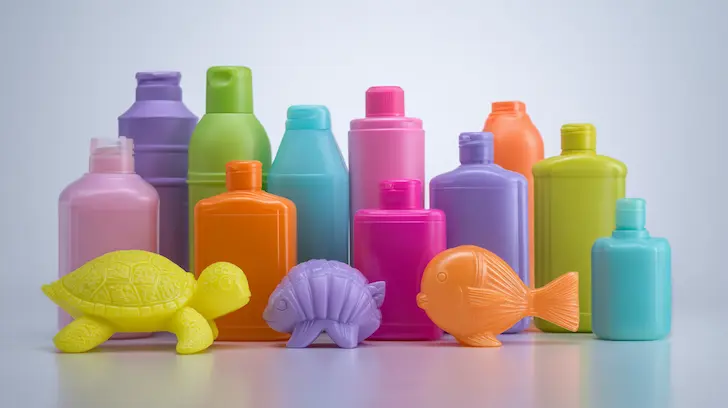
In addition to heavy metals, we manage the migration of plasticizers. Our phthalate-free toy materials utilize high-performance alternatives like DOTP or DINCH, which provide the flexibility required for PVC figure manufacturer projects without the endocrine-disrupting risks. By balancing polymer flexibility with chemical stability, we ensure your product remains soft and tactile while staying fully compliant with the latest US phthalate-free toy materials mandates.
Food-Contact Grade Pigments:
Safety by Design
We treat every toy with the same chemical reverence as a product intended for food contact. This "food-grade" philosophy ensures that even "mouthable" toys are safe for the youngest consumers.
Treating Characters with Mouth-Safe Pigments
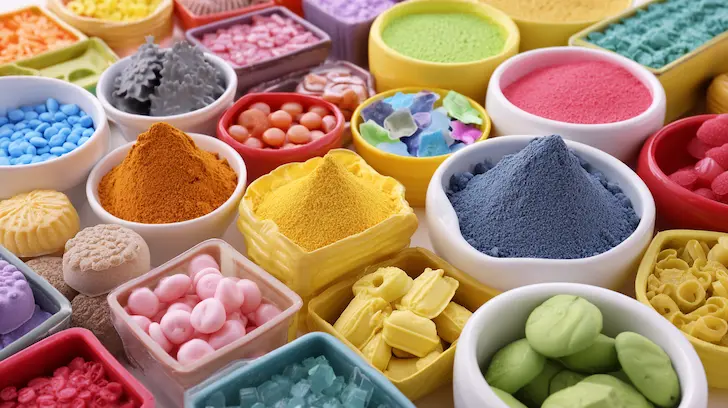
Children naturally explore toys with their mouths, particularly in the infant and toddler stages. Our non-toxic toy pigments are selected based on their FDA-compliance and ASTM F963-17 chemical compliance. These pigments are engineered to be non-migratory, meaning they stay bound to the plastic even when exposed to saliva. By treating character product manufacturing with this level of chemical discipline, we provide IP holders with the highest level of liability protection available in the licensed merchandise manufacturer industry.
Batch-Level Chemical Verification
To ensure that our high-speed toy manufacturing remains pure over long production cycles, we perform batch-level chemical verification. Samples are pulled during the "middle" and "end" of the run to verify that no chemical variance has occurred. This rigorous toy quality assurance protocol ensures that the millionth unit is as chemically pure as the golden sample. This scientific approach to production is what defines Unstoyppable as a premier ASTM F963 compliant manufacturer for the 2026 global market.

The Molecular Advantage: At Unstoyppable, we believe that chemical safety is the ultimate expression of quality. By mastering ASTM F963-17 chemical compliance through non-toxic toy materials and printing film safety USA standards, we deliver products that are safe to the core. Let us protect your brand through scientific manufacturing excellence.
Industrial Accountability:
CPSC-Accepted Lab Testing and Global Documentation
In the final phase of North American production, the transition from factory floor to retail shelf is governed by strict industrial accountability. Being a premier ASTM F963 compliant manufacturer requires more than engineering excellence; it demands a flawlessly executed validation ecosystem. At Unstoyppable, we provide a turnkey solution that encompasses CPSC accepted third party lab coordination, ethical factory auditing, and comprehensive certification management. This systematic approach ensures that your licensed toy manufacturing USA project is backed by a robust audit trail, satisfying the compliance departments of major retailers and federal customs agents alike. By managing the complexities of ASTM toy testing workflow and FAMA compliant factory China standards, we ensure that your product arrives at its destination 100% "ready-to-sell," protecting your brand from the logistical bottlenecks that often hinder global toy launches.
The CPC Process:
Your Passport to US Retail
For any children's product entering the United States, the Children’s Product Certificate (CPC) is the most critical document in the supply chain. We treat Children’s Product Certificate (CPC) preparation as a core manufacturing deliverable.
Streamlining Compliance for Walmart, Target, and Amazon
A CPC is a legal statement that certifies the toy meets all applicable US toy safety standards. As your manufacturing partner, we compile the necessary data from CPSC accepted third party lab reports and material specifications to draft a precise CPC. This document is essential for clearing US Customs and is a mandatory requirement for listing products on major e-commerce platforms like Amazon or securing shelf space at big-box retailers. Our toy quality assurance protocols ensure that every CPC is accurate, up-to-date with 2026 regulations, and easily accessible for retail compliance audits, providing you with a frictionless entry into the North American market.
Technical File Maintenance and Traceability
Beyond the certificate itself, we maintain a comprehensive technical file for every production run. This includes the full Bill of Materials (BoM), printing film safety data, and production batch records. This high level of transparent supply chain manufacturing ensures that if a retailer or the CPSC requests supporting documentation, it is provided instantly. This industrial readiness is what separates a standard factory from a world-class ASTM F963 compliant manufacturer.

Coordinating with UL, QIMA, and SGS
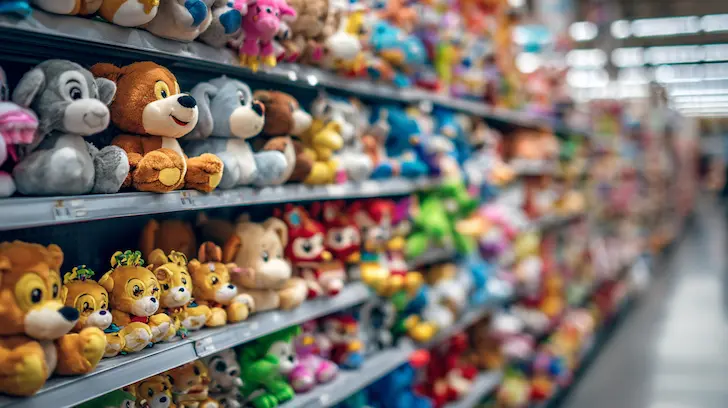
Our ASTM toy testing workflow involves submitting production-grade samples to labs such as UL, QIMA, or SGS for exhaustive "Use and Abuse" testing. These labs subject the toy to extreme torque, tension, and compression to verify that our physical and mechanical toy testing simulations in the factory were accurate. By managing this coordination on your behalf, we ensure that the testing is performed according to the correct age-grading and product category, preventing the common "testing loop" errors that cause production delays. This professional lab management is a cornerstone of our retail-ready licensed product production.
Validation of Chemical and Mechanical Integrity
The lab verification process covers both the invisible (chemical) and the visible (mechanical). From lead-free toy manufacturing confirmation to the verification of battery compartment security, the third-party report serves as the final seal of approval. By utilizing labs that are recognized globally, we ensure that your licensed merchandise manufacturer reports are accepted by every major safety authority in North America, streamlining your path to global distribution.
Bridge the Gap from China to the US Retail Shelf
Excellence in production is only complete with excellence in validation. Get a comprehensive quote for your ASTM F963 certified, retail-ready production run today.
Explore Independent Lab Testing | Review Packaging Solutions
Safety Labeling & Packaging:
The Final Layer of Protection
Compliance must be visible to the consumer and the regulator. We integrate ASTM-mandated information directly into the product and its retail-ready packaging manufacturer designs.

Permanent Markings and Warning Icons
ASTM F963 requires certain safety information to be "permanent." Our high-precision toy molds are engineered to include recessed text and icons, such as batch numbers and manufacturer identification, directly on the toy’s surface. This ensures lifetime traceability. Furthermore, we coordinate with your design team to ensure that the retail-ready packaging features the correct age-grading icons and warning statements (e.g., "CHOKING HAZARD - Small parts") in the mandatory font sizes and contrast ratios. This meticulous attention to toy manufacturing logistics ensures that your product is never flagged for labeling violations at the border.
Battery and Magnet Security:
Technical Execution
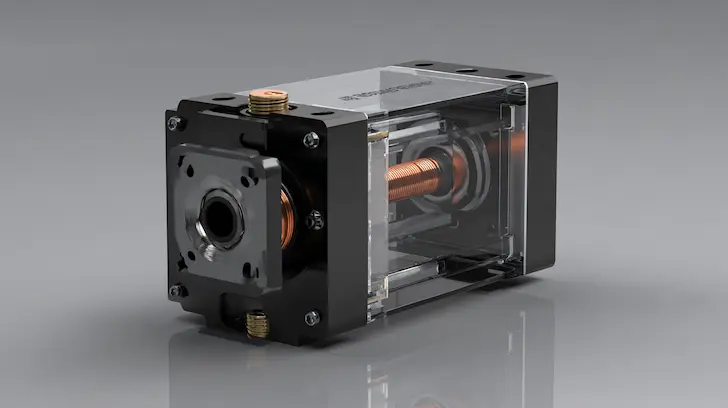
For electronic or magnetic toys, ASTM F963 imposes some of its strictest mechanical requirements. Our engineering for mass production team utilizes recessed, captive screws for battery compartments, ensuring they are inaccessible to children without a tool. For magnets, we utilize ultrasonic welding to encapsulate them within internal housings, meeting the "Magnet Soak Test" and "Impact Test" requirements. This technical execution is what allows us to remain a top-tier ASTM F963 compliant manufacturer for the most complex electronic toy manufacturer projects.
ASTM F963 Compliance FAQ
What is the difference between ASTM F963 and CPSIA?
ASTM F963 is the comprehensive technical standard detailing physical and mechanical toy testing, flammability, and heavy metal migration. CPSIA (Consumer Product Safety Improvement Act) is the federal law that makes ASTM F963 mandatory and adds specific requirements for lead and phthalate limits and third-party testing oversight. As an ASTM F963 compliant manufacturer, we ensure adherence to both.
Does Unstoyppable handle the CPSC laboratory coordination?
Yes. We provide a turnkey service that includes selecting a CPSC accepted third party lab, preparing the test samples, and managing the ASTM toy testing workflow. We deliver the final passed reports directly to our clients for their Children’s Product Certificate (CPC) preparation.
Can I use the same testing report for Canada and the USA?
While the standards are very similar (ASTM F963 for the US and SOR/2011-17 for Canada), there are specific differences in labeling and certain mechanical tests. We can perform "Combined Testing" at our CPSC accepted third party lab partners to cover both regions in a single, cost-effective workflow.
How does the FAMA certification impact ASTM compliance?
FAMA (Facility and Merchandise Authorization) is Disney’s internal certification for labor and security standards. While ASTM F963 focuses on product safety, FAMA compliant manufacturing China ensures that the product is made in an ethical environment. Many major US retailers require both social audits (FAMA/BSCI) and product safety certificates (CPC) to carry licensed goods.