The Foundation of Quality:
Pre-Production and Character Engineering
The journey of a world-class licensed product begins long before the first injection mold is fired. In the professional toy manufacturing process step-by-step, the pre-production phase is the most critical stage for ensuring brand integrity and financial viability. This stage is where creative vision meets industrial reality. At Unstoyppable, we specialize in the meticulous conversion of 2D concept art and 3D digital sculpts into manufacturing blueprints that are fully optimized for the factory floor. By focusing on character engineering for toys at the onset, we eliminate the technical friction that often occurs when moving from a digital render to a physical object. Our methodical approach ensures that the "Soul" of the character—its proportions, its silhouette, and its personality—is preserved while being adapted for high-volume efficiency through design for mass production toys.
The Style Guide Audit:
Aligning Creative Assets with Industrial Reality
Every licensed brand provides a Style Guide, a comprehensive document that defines the aesthetic parameters of the IP. Our role as your manufacturing partner is to conduct a deep-dive audit of these assets to ensure they are ready for the rigors of mass production.
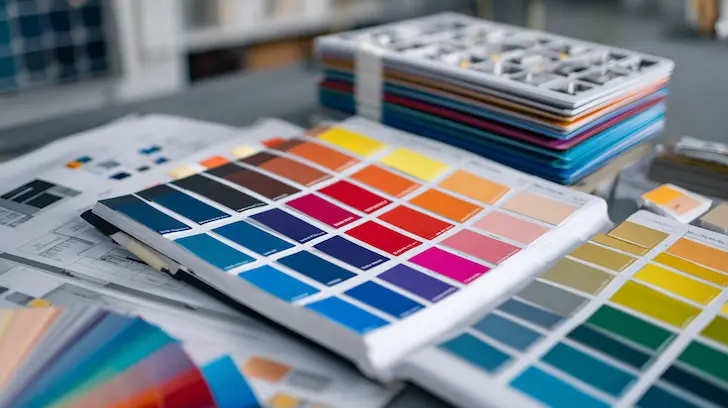
Color Fidelity and Pantone Matching
A character’s color is its visual signature. During the pre-production audit, we translate the digital RGB/CMYK colors from your style guide into precise Pantone Plastic Standards. This ensures that the hue of a superhero's suit or a cartoon character’s skin remains consistent across millions of units. Because different resins (like ABS vs. PVC) absorb pigments differently, our toy material engineering team performs color-matching tests early in the process. This proactive step guarantees that your retail-ready licensed product production maintains 100% color accuracy, satisfying even the most demanding licensor requirements.
Proportional Feasibility and Silhouette Integrity
Characters designed for animation often have gravity-defying features—tiny ankles supporting large heads or flowing capes with impossible thickness. Character engineering for toys involves adjusting these digital models to stand on their own or to be securely mounted to a base. We utilize advanced CAD software to add "hidden" draft angles and part separations that allow the toy to be easily removed from a mold without distorting the character's likeness. This careful balancing act ensures the final product is a faithful 3D representation of the 2D original.
Engineering for Safety:
Building Compliance into the Design
Safety is a structural requirement, not an aesthetic choice. Our design for mass production toys philosophy integrates safety features into the internal architecture of the product from day one.
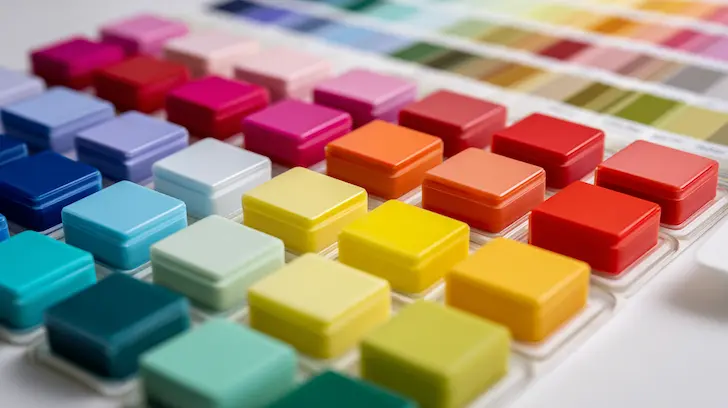
Internal Structural Reinforcements
To pass the rigorous "Drop Tests" and "Tension Tests" required by global standards, a toy must be durable from the inside out. We engineer internal ribbing and support pillars within the hollow sections of injection-molded parts. These reinforcements prevent the toy from shattering under impact and ensure that small components, such as limbs or accessories, remain securely attached. This "Compliance by Design" approach is a hallmark of a leading toy prototyping manufacturer, ensuring that your product is inherently safe before it ever reaches a testing lab.
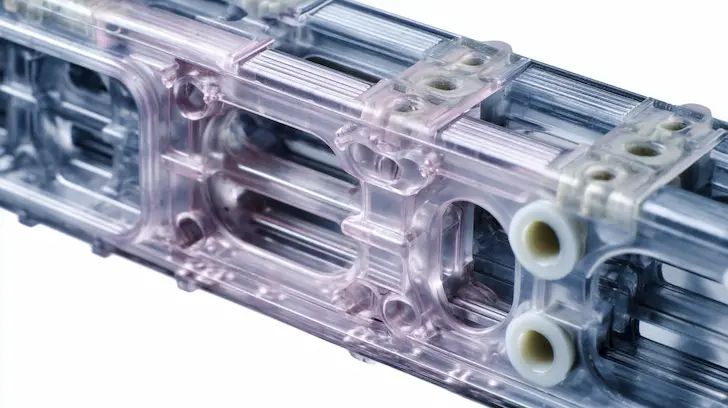
Wall Thickness and Material Flow
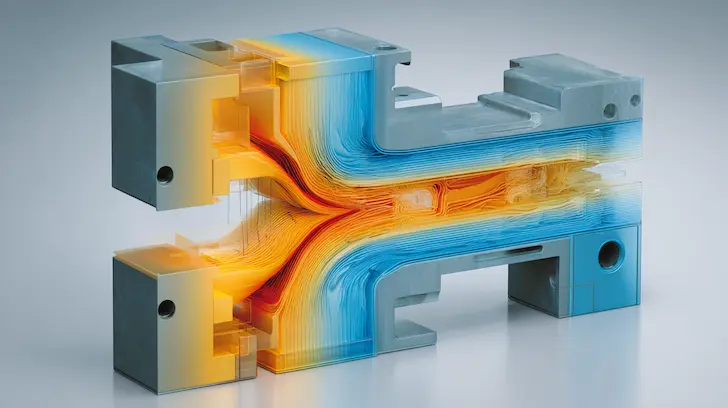
Uniform wall thickness is essential for preventing "sink marks" (depressions in the plastic) and ensuring structural integrity. During the engineering phase, we analyze the "Flow Front" of the molten plastic as it enters the mold. By optimizing wall thickness, we ensure the material reaches every extremity of the character—like the tip of a sword or the point of an ear—with consistent density. This level of technical precision is what differentiates a premium collectible from a generic plaything.
Transform Your Concept into a Production-Ready Masterpiece
Avoid costly redesigns and manufacturing delays. Let our experts conduct a professional feasibility audit of your character designs today.
The Prototyping Phase:
From Digital Scuplt to Golden Sample
As a specialized toy prototyping manufacturer, we utilize a multi-stage physical verification process to bridge the gap between a computer screen and the retail shelf.
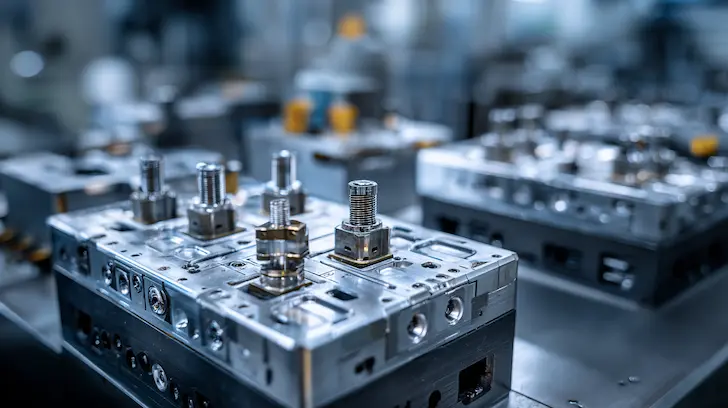
The "Golden Sample" Development
The "Golden Sample" is the final, pre-production prototype that is painted and finished to look exactly like the mass-produced version. This sample serves as the legal benchmark for quality. It is the sample that is sent to third-party toy lab testing for certification and is used by the QC team as the reference for AQL inspection in toy manufacturing. Our ability to produce high-fidelity Golden Samples that perfectly match the eventual output of our mold development and injection tooling is a core strength of the Unstoyppable process.
Precision Tooling:
The Art of Steel and Cavities
Once the Golden Sample is approved, we move to the most capital-intensive part of the process: mold development and injection tooling. This is where the digital design is etched into hardened steel.
Steel Grades and Mold Longevity
For high-volume licensed production, we utilize premium S136 or NAK80 hardened steel for our molds. The choice of steel determines the "Life" of the mold; a high-quality steel mold can produce hundreds of thousands of units with zero loss in detail. This durability is essential for global franchises that require multiple production runs over several years. Our engineering team ensures that every mold is built to sustain the high pressures of automated toy manufacturing China facilities.
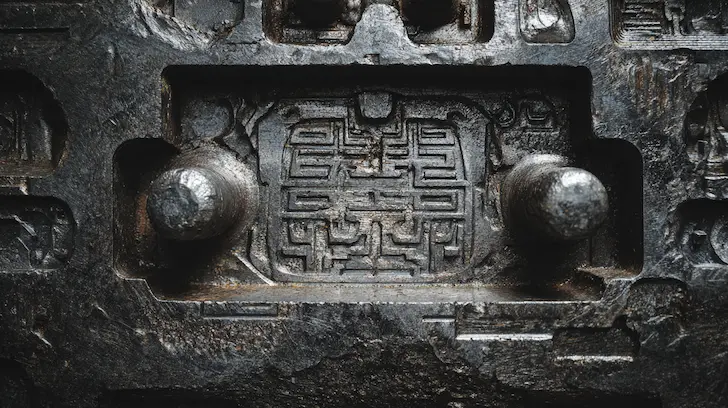
Cavity Layout and Production Efficiency
The layout of the mold—how many "cavities" or individual parts are in a single tool—directly impacts the toy manufacturing process step-by-step efficiency and the final unit cost. We design multi-cavity molds with balanced "runner systems" to ensure the plastic flows evenly to every part. This reduces waste, minimizes cycle times, and prevents defects like "flashing" (excess plastic). By optimizing the tooling architecture, we provide our clients with a faster path to market and a more competitive landed cost, all while maintaining the absolute highest standard of character accuracy.
Pro-Tip for Brands: The most expensive changes are the ones made after the mold is cut. By investing in professional character engineering for toys during the pre-production phase, you save thousands in potential tooling modifications and weeks of lost time. Measure twice, engineer once.
The Engine Room:
Advanced Molding and Precision Decoration Techniques
Once the blueprints are finalized and the steel is cut, the toy manufacturing process step-by-step moves into its most high-energy phase: mass production. This is the stage where raw polymer resins are transformed into the tangible characters that fans adore. As a premier injection molded toy manufacturer, Unstoyppable oversees a production environment where mechanical force meets artistic precision. Every second of the licensed toy production workflow is calibrated to ensure that the 50,000th unit is as flawless as the first. This "Engine Room" of manufacturing relies on a synergy of high-speed automation and meticulous hand-finishing, ensuring that every character's "Visual DNA" is preserved in a durable, high-fidelity physical form.
Toy Material Engineering:
Selecting the Perfect Polymer
The tactile "feel" of a toy is just as important as its appearance. Through expert toy material engineering, we select resins that balance durability, flexibility, and chemical safety.
ABS for Structural Precision
Acrylonitrile Butadiene Styrene (ABS) is the gold standard for parts requiring high impact resistance and dimensional stability. Because ABS is a rigid thermoplastic, it is the ideal material for the structural "bones" of a toy or for characters with sharp, crisp mechanical details. Our injection molded toy manufacturer protocols ensure that we use only high-purity ABS, providing a smooth surface finish that is perfect for secondary paint applications.
The Versatility of the PVC Figure Manufacturer
For more organic shapes—such as the musculature of a superhero or the soft features of a stylized figurine—polyvinyl chloride (PVC) is the preferred choice. As a specialized PVC figure manufacturer, we utilize different "durometers" (levels of hardness) of PVC to achieve the perfect balance. We can engineer a figure with a rigid core and softer, flexible limbs. This material versatility ensures that the toy is pleasant to touch while remaining virtually indestructible during play.
Polypropylene (PP) and Specialized Resins
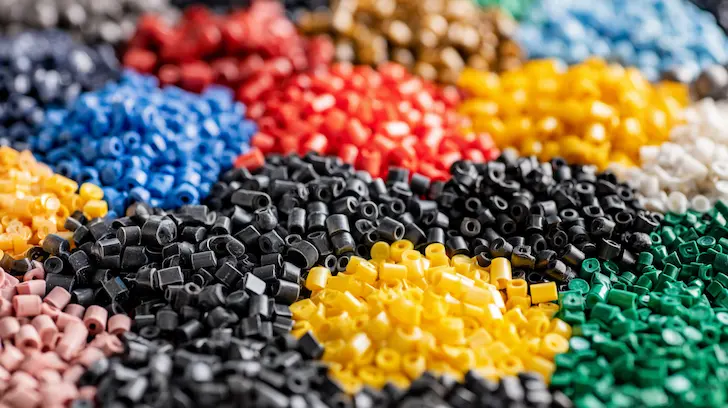
When a project requires living hinges or high flexibility without the risk of stress whitening, Polypropylene (PP) is employed. Our toy material engineering team also works with Eco-friendly resins and "Tritan" BPA-free plastics for specialized applications. By sourcing these materials from a certified, phthalate-free toy materials supply chain, we ensure that every material choice contributes to the overall safety and quality of the brand.
The Injection Cycle:
Consistency Through Automation
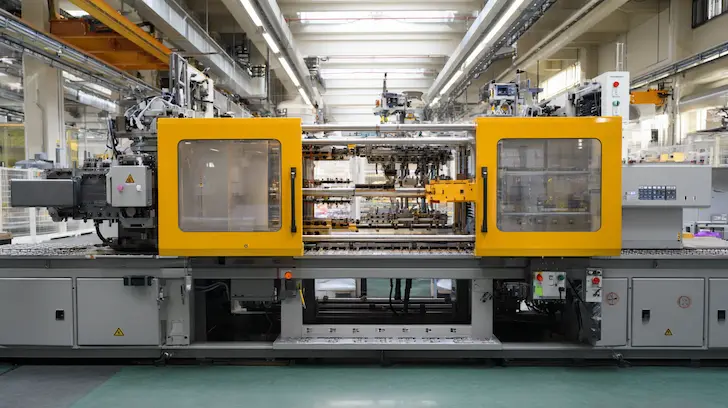
The heart of an automated toy manufacturing China facility is the injection molding machine. This process is a rhythmic cycle of heat and pressure, managed with scientific accuracy.
Temperature and Pressure Control
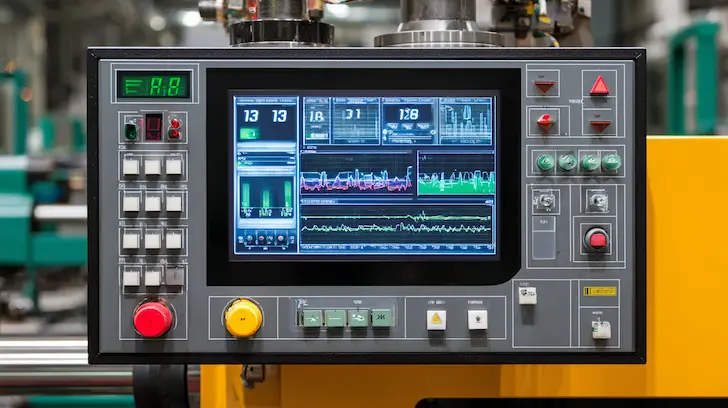
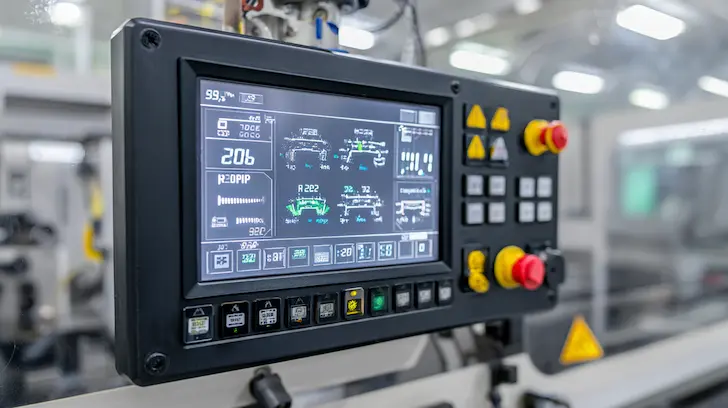
In the licensed toy production workflow, consistency is everything. Our machines utilize advanced PLC (Programmable Logic Controller) systems to maintain the plastic melt temperature within a +/- 1-degree margin. High-pressure injection ensures that the molten plastic fills every microscopic detail of the mold cavity. This precision prevents "short shots" and ensures that fine textures, such as the weave on a character's costume, are rendered perfectly on every unit.
The Cooling Phase and Cycle Optimization
Once the plastic is in the mold, the cooling phase begins. Effective automated toy manufacturing China relies on optimized water-cooling channels within the steel tool to whisk heat away evenly. Proper cooling prevents warping and ensures that the part maintains its intended geometry. By refining the cycle time, we maximize output efficiency without ever compromising the structural integrity of the part. This methodical approach is what allows us to scale production rapidly for major movie launches or seasonal peaks.
Scale Your Production Without Sacrificing Character Accuracy
Your IP deserves a manufacturer that understands the science of the mold. Partner with Unstoyppable for high-fidelity production.
Explore Injection Molding Capabilities | See PVC Figure Solutions
Artistic Decoration:
Bringing IP to Life
A molded part is just a canvas. The artistry of the toy manufacturing process step-by-step truly shines during the decoration phase, where the character's personality is applied through color and texture.
Pad Printing (Tampo) for Micro-Details
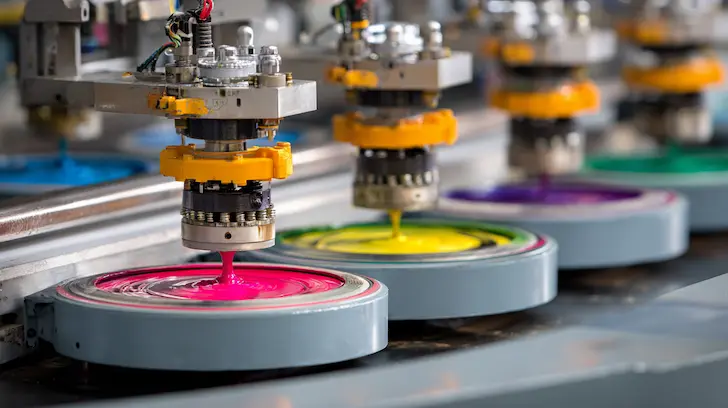
Pad printing is the primary technique used to apply high-resolution graphics—such as character eyes, emblems, and intricate patterns—to curved or textured surfaces. We utilize multi-color pad printing machines that can overlay several layers of ink with a registration accuracy of 0.1mm. This ensures that a character’s eyes are always perfectly centered and expressive, maintaining the high standards expected from an authorized Disney product manufacturer.
Spray Painting and Weathering Effects
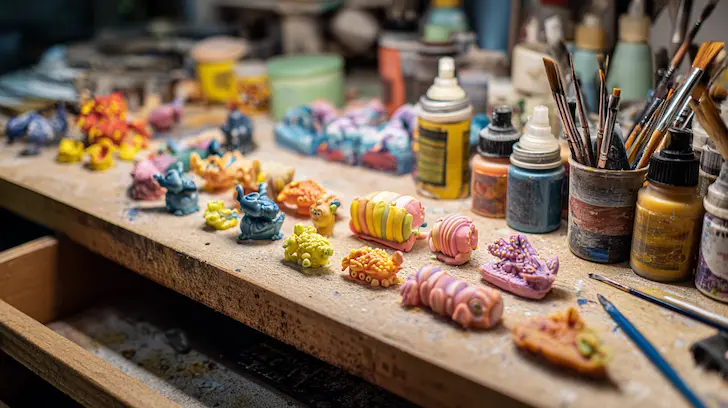
For larger areas of color or sophisticated gradients and shading, we employ precision spray painting. Using custom-made copper masks (stencils), our artisans apply layers of paint to create depth and realism. Whether it is the metallic sheen on a robotic figure or the "weathered" look of a warrior’s armor, these techniques add a premium "collectible" quality to the mass-produced toy. All paints used are lead-free and specifically formulated for adhesion to phthalate-free toy materials.
Electronic Integration:
Enhancing the Play Experience
Modern toys often involve more than just plastic; they are interactive experiences. The licensed toy production workflow frequently includes the integration of complex electronics.
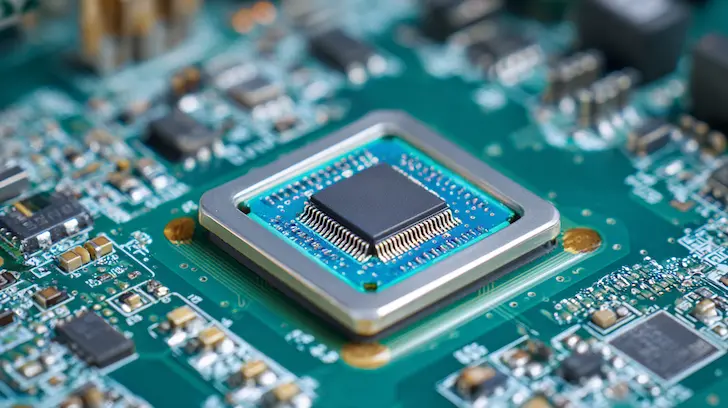
PCB and Sound Chip Embedding
For toys featuring lights, sounds, or motion, the assembly line includes a specialized electronics station. Here, pre-tested Printed Circuit Boards (PCBs) and sound chips are carefully housed within the molded body. We ensure that battery compartments are engineered for safety, featuring screw-locked covers that meet ASTM F963 toy safety requirements. This integration is performed in anti-static environments to ensure the long-term reliability of the electronic components.
Final Functional Testing
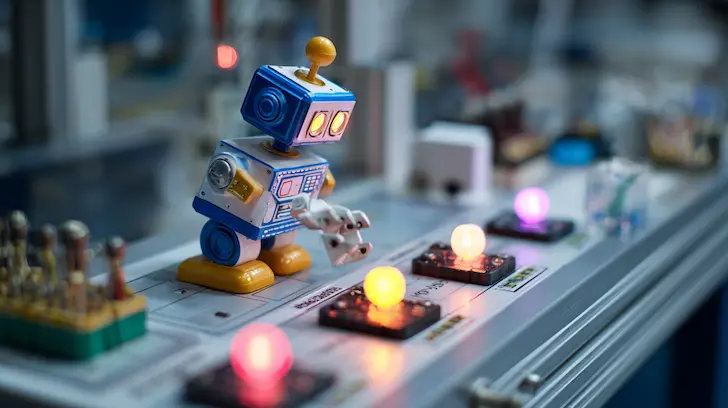
Every electronic toy undergoes a "100% Functional Test" before it moves to final assembly. We verify that every button press triggers the correct sound and that every LED illuminates at the intended brightness. By combining electronic complexity with structural durability, we create "smart" toys that stand up to years of play. This comprehensive approach to the toy manufacturing process step-by-step ensures that your interactive IP functions flawlessly from the moment the consumer pulls the "Try Me" tab.
Industrial Insight: Mass production is a marathon of consistency. By utilizing automated toy manufacturing China and high-grade toy material engineering, we remove the variables that cause defects. Quality is not an accident; it is the result of a controlled process.
The Final Mile:
Assembly, Safety Verification, and Global Logistics
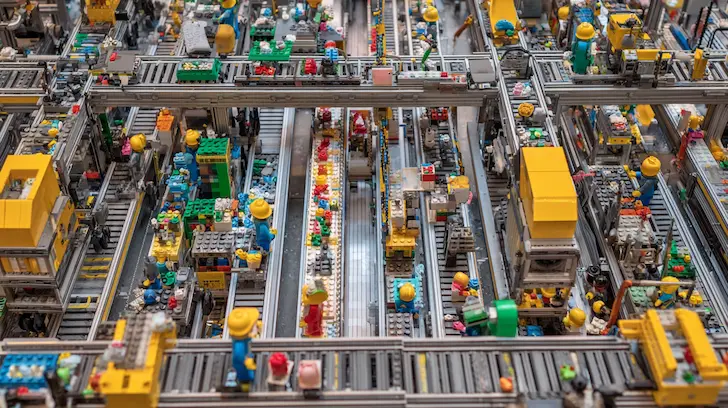
The final phase of the toy manufacturing process step-by-step is where disparate molded components, electronic modules, and decorative elements converge to become a completed product. This stage is a high-precision operation that demands a balance between human craftsmanship and mechanical efficiency. At Unstoyppable, we recognize that the "Final Mile" of production is just as important as the first mold. Our assembly lines are designed for retail-ready licensed product production, ensuring that the transition from a pile of parts to a packaged unit is seamless, safe, and fully documented. By integrating world-class toy manufacturing logistics with rigorous safety checks, we ensure that your product is ready to withstand the journey from our factory floor to the most competitive retail shelves in the world.
Precision Assembly:
Bringing the Character to Life
Assembly is the heart of the "Final Mile." It involves the physical joining of parts using various industrial techniques, each chosen for the specific material and intended use of the toy.
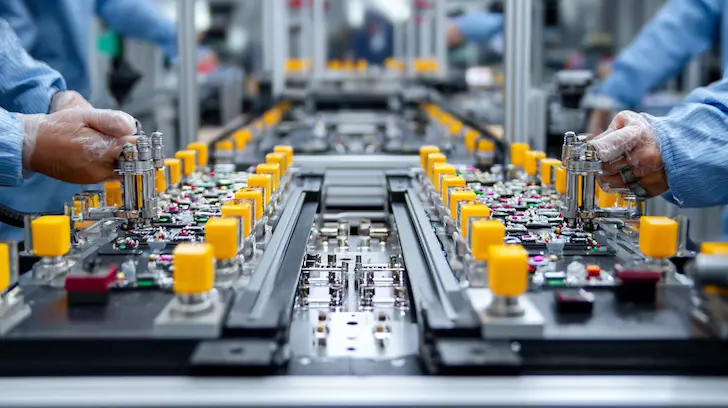
Adhesive Application and Hand-Finishing
When complex geometries or multi-material designs are involved, we use high-grade, non-toxic adhesives applied via precision dispensers. Our assembly stations are staffed by skilled technicians who perform the final hand-finishing, ensuring that every joint is clean and every moving part, such as an action figure's articulation, moves with the exact degree of resistance specified during the engineering phase. This attention to detail is what defines our retail-ready licensed product production as premium-tier.
Integrated Quality Assurance:
The AQL Shield
Quality assurance is not a final destination; it is a continuous thread woven into every station of the assembly line. Our primary tool for maintaining mass-production excellence is the AQL inspection in toy manufacturing.
Station-By-Station Verification
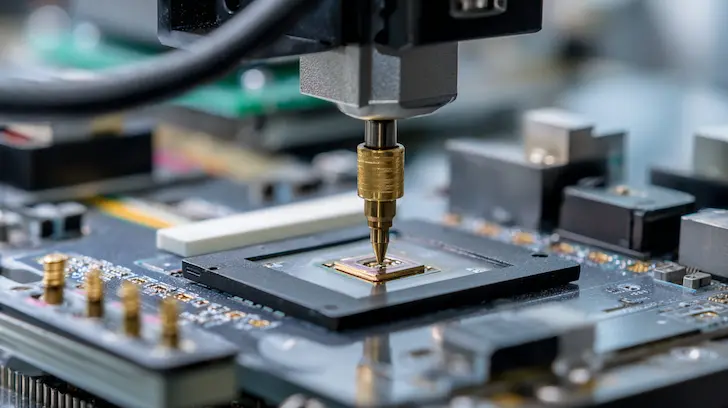
As parts move down the assembly line, they undergo "In-Process" inspections. Every technician is trained to identify and pull units that show even minor cosmetic or functional variances. This early detection prevents the accumulation of defects and ensures that the final AQL inspection in toy manufacturing yields a high pass rate. We focus on "Zero-Defect" milestones for critical safety features, such as the secure seating of magnets or the pull-strength of plush seams.
Final Random Inspections (FRI)
Once the goods are packed, we perform a Final Random Inspection based on the ISO 2859-1 (AQL) standard. Our inspectors examine a statistically significant sample of the finished shipment, checking for everything from packaging print quality to mechanical durability. This double-layer of protection ensures that every global distribution for licensed products run meets the "Golden Sample" benchmark. By adhering to strict AQL levels (typically 1.0 for critical and 2.5 for major defects), we provide our clients with the statistical confidence they need to sign off on large-scale production runs.
Get Your Toys to the Retail Shelf Faster
Precision assembly and bulletproof logistics are the keys to a successful launch. Let our experts handle your 2026 fulfillment plan.
See Our Logistics Solutions | Explore Quality Control Protocols
Retail-Ready Fulfillment and Supply Chain Transparency
In 2026, being a manufacturer means being a logistics partner. We ensure that your products arrive at their destination ready for immediate sale, without the need for secondary processing.
The Art of Retail-Ready Packaging
We specialize in the application of retail-specific elements, including GTIN/EAN barcodes, RFID tags for inventory tracking, and custom blister or window-box packaging. Our packaging is designed to protect the character during toy manufacturing logistics while providing maximum shelf impact. We ensure that all "Age Warnings" and "Choking Hazard" icons are correctly positioned to meet the legal requirements of the destination market, whether that be the US, EU, or beyond.
ERP Production Tracking:
Real-Time Visibility
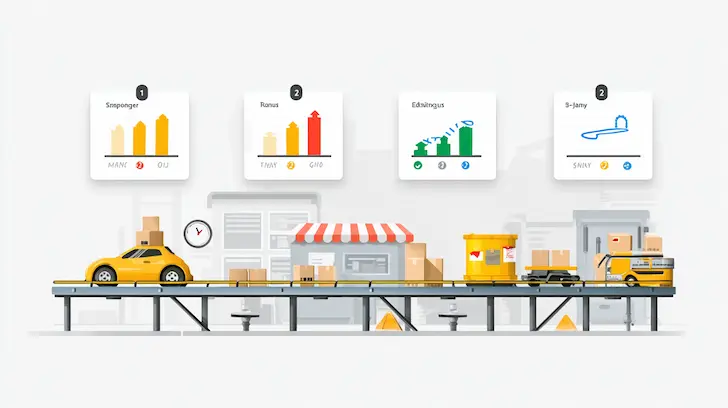
Transparency is the foundation of a modern partnership. We utilize an advanced ERP production tracking system that allows our clients to monitor the progress of their order in real-time. From the arrival of raw resin to the final palletization of the shipment, every milestone is logged. This digital paper trail provides the visibility needed to coordinate complex marketing launches and ensures that your global distribution for licensed products is perfectly synchronized with your promotional windows.
Customs, Export, and Beyond
The toy manufacturing process step-by-step concludes with the successful export of the goods. We manage the preparation of all export documentation, including the Certificate of Origin and the Children's Product Certificate (CPC). Our toy manufacturing logistics team coordinates with freight forwarders to optimize shipping routes, reducing transit times and minimizing the carbon footprint of your supply chain. We treat your cargo as our own, ensuring it is packed for maximum space efficiency and structural safety during transit.
Toy Manufacturing Process FAQ
What is the typical lead time for a new toy project?
For a new licensed project, the typical lead time ranges from 4 to 6 months. This includes 4-6 weeks for engineering and prototyping, 6-8 weeks for mold development and injection tooling, and 4-6 weeks for mass production and toy manufacturing logistics.
How many samples are produced before mass production begins?
We typically produce three sets of samples: 1. A 3D-printed prototype for visual approval; 2. A "Tooling Sample" from the actual mold to verify fit and function; and 3. The "Golden Sample," which is the final painted and finished version used for AQL inspection in toy manufacturing and lab testing.
What is the difference between OEM and ODM in the toy process?
OEM (Original Equipment Manufacturing) means we manufacture the toy based on your specific designs and IP. ODM (Original Design Manufacturing) means we provide the design and engineering expertise based on your initial concept. Both paths utilize our ERP production tracking system for full transparency.
How do you ensure the final product matches the approved prototype?
Consistency is guaranteed through the use of the Golden Sample. This physical benchmark is present at every assembly station and serves as the primary reference during our AQL inspection in toy manufacturing. Any unit that deviates from the Golden Sample is immediately flagged for correction.
Logistical Insight: The value of a manufacturer is proven in the fulfillment stage. By utilizing retail-ready licensed product production and global distribution for licensed products, we ensure your brand moves effortlessly from concept to consumer. We manage the complexity so you can celebrate the launch.