From Pixels to Plastic:
The Engineering Translation of Licensed Concepts
The licensed product mass production process is a journey of precision that begins long before the first injection molding machine is powered on. At Unstoyppable, we recognize that the digital assets provided by major studios—whether they are high-poly 3D renders from a blockbuster film or 2D vector art from a classic animation style guide—are works of art, but they are not yet blueprints for manufacturing. The "Blueprint Phase" is the critical bridge where creative vision meets industrial reality. By utilizing advanced character engineering for toys, we transform artistic concepts into high-fidelity technical data. This stage is where 90% of production errors are prevented. Through a meticulous combination of toy design for manufacturing (DFM) and master tool engineering, we ensure that every curve, texture, and expression of your IP is preserved while being optimized for a flawless, high-volume production run in China.
The Asset Integrity Audit:
Preserving the Brand's "Soul"
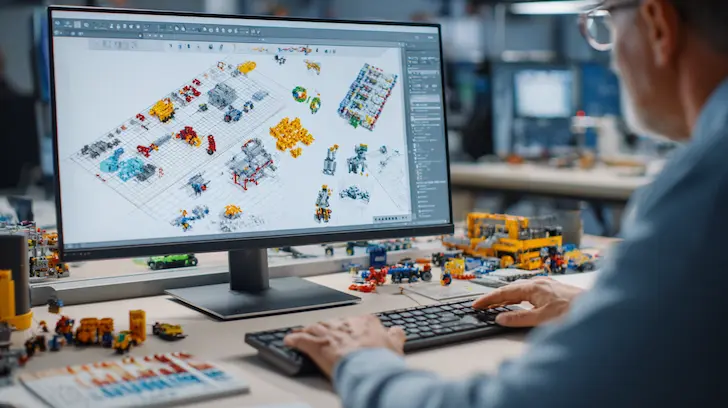
Every licensed character possesses a unique "DNA"—the specific proportions, silhouettes, and details that fans immediately recognize. When converting 3D assets for production, the primary risk is "aesthetic drift," where the physical toy loses the essence of the digital original. Our engineering process begins with a comprehensive Asset Integrity Audit. This involves a pixel-by-pixel comparison between the studio’s style guide and the industrial model we develop.
Gap Analysis for Manufacturability
We receive raw files from licensors like Disney or Marvel and perform a detailed gap analysis. Most digital assets created for film or gaming feature "impossible" geometries—infinitely thin capes, floating accessories, or joints that lack a realistic range of motion for a physical object. Our engineers identify these areas and propose structural solutions that maintain the character’s integrity. By using character engineering for toys, we build internal supports and wall thicknesses that provide the necessary durability for the licensed product mass production process without altering the external aesthetic approved by the brand owner. We ensure the transition from a digital screen to a physical hand is seamless.
Surface Detail Preservation
Digital sculpts often contain millions of polygons that standard manufacturing equipment cannot replicate without optimization. During the process of converting 3D assets for production, we utilize high-end retopology techniques to simplify the underlying mesh while preserving the high-frequency surface details like fabric textures, skin pores, or mechanical etchings. This ensures that the final master tool engineering phase captures every nuance of the original design, delivering a product that feels "premium" to both the collector and the casual consumer. Our technical team ensures that "mass-produced" never means "simplified."
DFM for Licensed Assets:
Balancing Beauty and Industrial Efficiency
Toy design for manufacturing (DFM) is the core discipline that makes high-volume production possible. It is the process of refining the toy’s design to ensure it is produced quickly, safely, and cost-effectively without compromising the IP style guide. Effective DFM identifies potential failure points early, saving months of time and thousands of dollars in tooling modifications.
Optimizing Draft Angles and Part Splitting
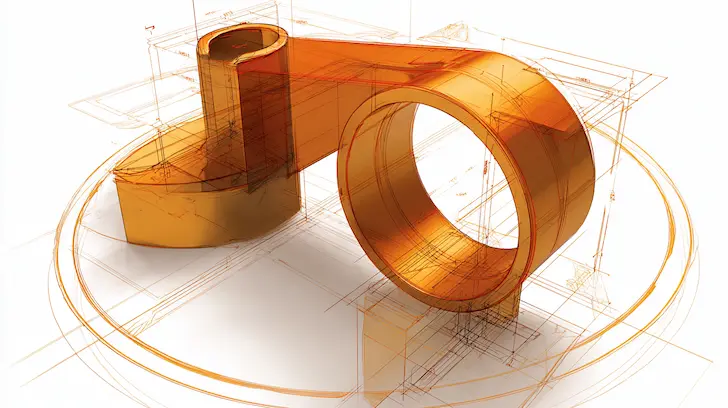
For a plastic part to be ejected from a mold, it must have specific "draft angles." Many character designs feature vertical walls that would stick to the steel cavity. Our toy design for manufacturing (DFM) experts subtly adjust these angles—often by as little as 0.5 degrees—to ensure smooth ejection in our automated facilities. We also specialize in "Intelligent Part Splitting." By strategically placing seam lines along naturally occurring edges in the character's costume or anatomy, we make the manufacturing joins invisible, preserving the illusion of a seamless character sculpt during the licensed product mass production process. It is this attention to detail that separates a generic product from a licensed masterpiece.
Uniform Wall Thickness and Sink Prevention
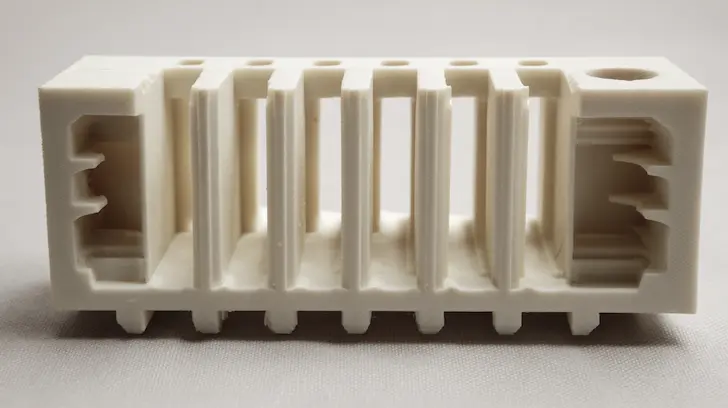
One of the most common toy structural defects is "sinking," caused by uneven cooling in thick plastic sections. Through advanced DFM, we implement "coring" techniques, hollowing out thick areas of the character while maintaining structural ribs. This ensures uniform cooling, which prevents surface deformities and reduces material waste. This precision in character engineering for toys is what allows Unstoyppable to maintain exceptionally high yield rates across production runs of millions of units.
Transform Your Character Assets into a Production-Ready Blueprint
Precision engineering is the only way to protect your IP likeness at scale. Let our master tool engineering team prepare your assets for a global launch.
IP-Secure Prototyping:
Validating the Concept in Secrecy
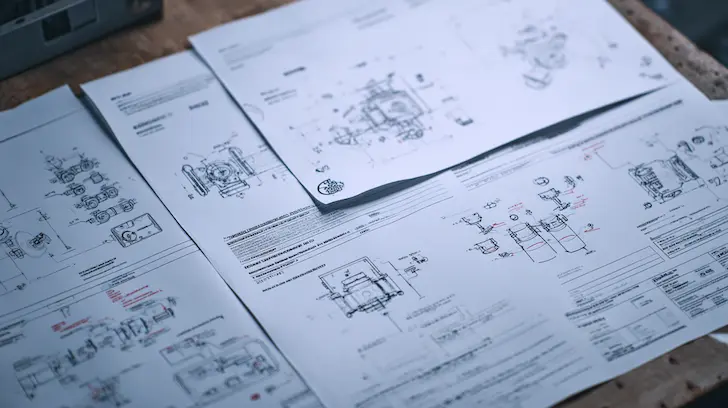
Before moving to master tool engineering, the design is physically validated through licensed toy prototyping. This stage is where we verify that the DFM adjustments function as intended in the physical world. For high-profile licenses, security is just as important as accuracy. We maintain a closed-loop prototyping environment to prevent leaks of unreleased characters or movie tie-ins.
Functional Testing of Articulation and Mechanics
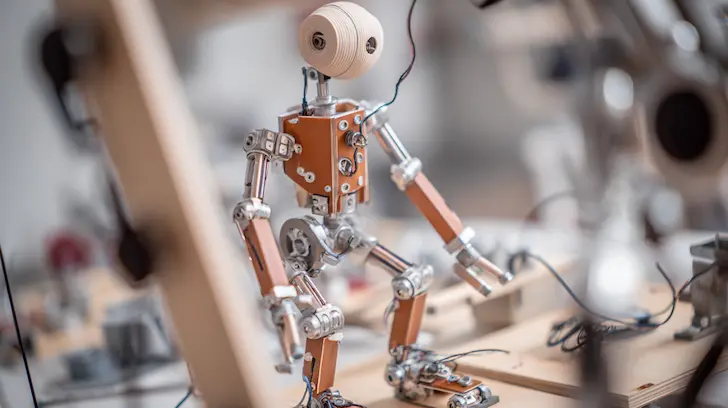
If the licensed product includes action features—such as spring-loaded launchers, sound modules, or complex articulation—the prototyping phase is where we stress-test these mechanics. We iterate on the internal character engineering for toys until the "Play Pattern" is perfect. Validating these mechanical functions during licensed toy prototyping ensures that the final mass-produced toy is both fun to play with and durable enough to pass rigorous safety standards.
The Technical File (TF):
The Master Manufacturing Blueprint
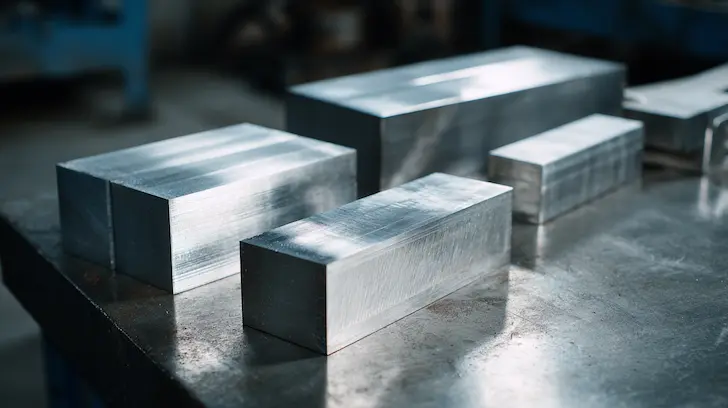
The final deliverable of the Blueprint Phase is the Technical File (TF). This document is the "Single Source of Truth" for the entire licensed product mass production process. It ensures that every factory in our network produces an identical product, whether they are manufacturing the 1,000th or the 1,000,000th unit.
Documenting Material Grades and Pantone Colors
The Technical File includes exhaustive specifications for every component. We document the exact resin grades (e.g., ABS, PVC, or PP), the specific durometer (hardness) of the plastic, and the exact Pantone color codes for every paint application. This prevents color drift and material inconsistencies that often plague unmanaged production. By defining these parameters during master tool engineering, we provide the factory with a clear, enforceable standard for quality control.
Assembly Logic and Safety Compliance Checkpoints
The TF also details the "Assembly Logic"—the step-by-step sequence in which the toy is put together. It identifies critical safety checkpoints, such as "Pull-Test" requirements for small parts or chemical thresholds for coatings. This document is integrated into our ERP production tracking system, allowing us to monitor compliance in real-time. With a robust Technical File, your brand's vision is protected by data, ensuring that the final retail product is a perfect physical manifestation of the original creative spark.
Expert Conclusion: The Blueprint Phase is the most influential stage of the licensed product mass production process. Decisions made here regarding toy design for manufacturing (DFM) and character engineering for toys dictate the quality, safety, and profitability of the entire product line. At Unstoyppable, we do more than just follow a style guide; we engineer success into the very foundation of your toy.
Hardening the Vision:
Tooling Strategy and Mass Production Mechanics
Once the digital blueprint is finalized, the licensed product mass production process moves into its most intensive phase: the creation of the industrial engine. This is where creative concepts are literally "hardened" into steel. In the realm of high-volume toy manufacturing, the quality of the tooling dictates the quality of every single unit that follows. At Unstoyppable, we manage mold development & injection tooling with a focus on longevity and microscopic precision. We transform the approved engineering files into high-performance molds capable of producing millions of identical components. By utilizing state-of-the-art CNC machining and electrical discharge machining (EDM), our automated toy manufacturing China facilities ensure that every detail—from the texture of a character’s armor to the tactile "click" of a joint—is perfectly replicated at scale. This stage is the heartbeat of mass production, where the theoretical design becomes a tangible, physical reality ready for the global market.
Steel Grade Selection:
Investing in Long-Term Sharpness
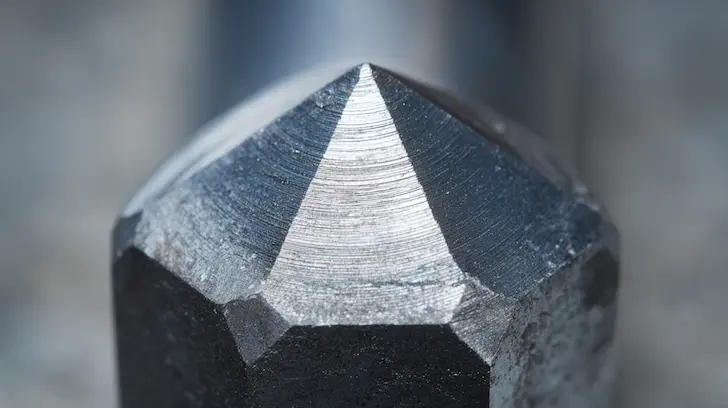
In high-volume toy manufacturing, the choice of steel is the most critical factor in maintaining brand integrity over time. While secondary manufacturers might use softer aluminum or P20 steel to save initial costs, Unstoyppable prioritizes S136 hardened stainless steel for all mass producing licensed figures projects.
The S136 Advantage for Licensed IP
Hardened S136 steel is prized for its extreme durability and corrosion resistance. In a licensed product mass production process that spans hundreds of thousands of cycles, inferior steel begins to "wash out," leading to rounded edges and lost detail. By utilizing S136, we ensure that the 100,000th unit ejected from the mold possesses the same razor-sharp detail as the very first sample. This is essential for character-driven toys where fans expect perfection. Furthermore, the high-polish capability of hardened steel results in a superior surface finish, reducing the need for secondary polishing and ensuring that licensed merchandise production meets the "Retail-Ready" aesthetic from the moment it leaves the mold.
Thermal Stability and Cycle Time
High-grade steel also provides better thermal conductivity. In our automated toy manufacturing China plants, this allows for more efficient cooling channels within the mold. Faster, more uniform cooling leads to shorter cycle times and prevents the internal stresses that cause warping. By investing in premium mold development & injection tooling, we provide our clients with a more stable, predictable, and high-quality output, regardless of the production volume.
Multi-Cavity Efficiency:
The Math of High-Volume Success
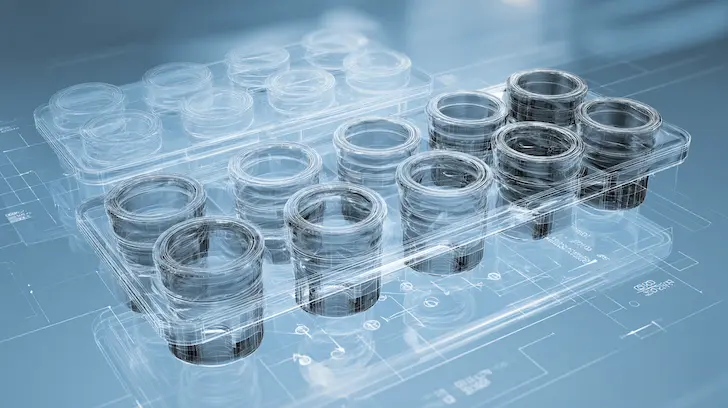
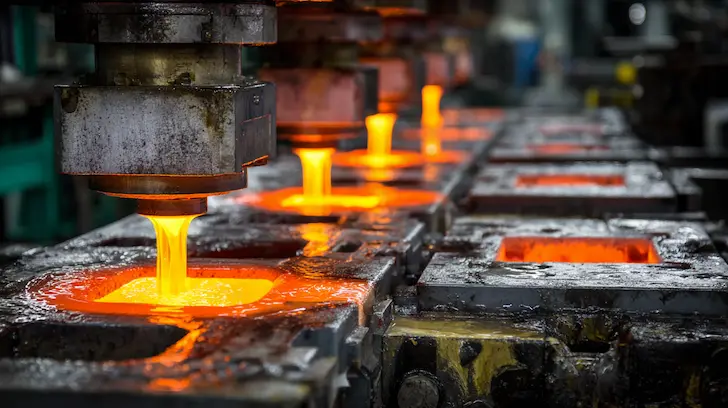
To achieve landed cost optimization in high-volume toy manufacturing, we utilize sophisticated multi-cavity mold configurations. This is the strategic "Math" behind the licensed product mass production process.
Balancing Cavitation and Per-Unit Costs
A single-cavity mold produces one part per cycle, whereas a 16-cavity mold produces sixteen. While the initial investment in a multi-cavity tool is higher, the reduction in per-unit labor and machine-time costs is substantial. Our engineers perform a "Cavitation Analysis" for every project, calculating the optimal number of cavities based on your total order volume and desired seasonal manufacturing lead time. This ensures that mass producing licensed figures remains cost-effective without overwhelming the cooling capacity of the injection machines. We optimize your investment to ensure the highest possible Return on Investment (ROI) for your tooling budget.
Runner System Optimization
To further enhance efficiency, we implement "Hot Runner" systems in our high-volume molds. Unlike traditional cold runners, which create plastic waste with every shot, hot runners keep the plastic molten within the delivery system. This eliminates waste, reduces material costs, and allows for even faster cycle times. In a FAMA compliant factory in China, this level of technical sophistication is what allows us to scale production rapidly for major movie launches or global holiday surges.
Scale Your Production with High-Fidelity Tooling
Build your brand on a foundation of industrial excellence. Our molds are engineered for millions of cycles and uncompromising IP fidelity.
Explore Our Tooling Capabilities | Learn About Sample Validation
The Pilot Run (T1-T3):
The Path to the Golden Sample
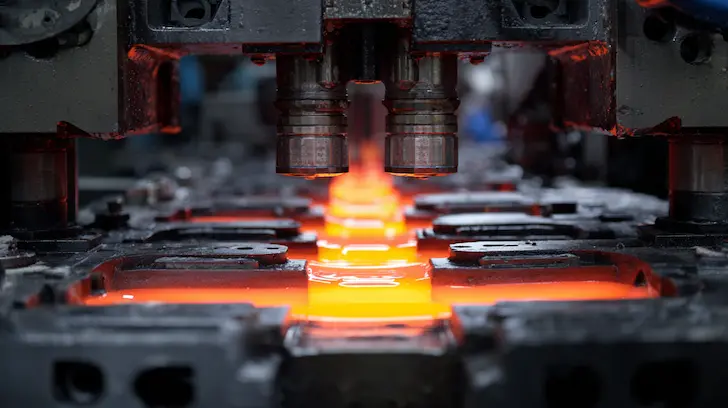
The transition from a finished mold to a full-speed production line occurs through a series of "Trial" runs, known as T1, T2, and T3. This off-tool sample validation process is where we fine-tune the industrial engine.
T1:
The "First-Off" Validation
The T1 sample is the very first plastic part to emerge from the new steel. In mold development & injection tooling, the T1 is rarely perfect; it is a "working draft." We analyze this sample for structural integrity, gate marks, and weld lines. Our engineers use these findings to make microscopic adjustments to the mold’s venting and pressure settings. This is a vital step in the licensed product mass production process, as it ensures the "base" of the toy is mechanically sound before any aesthetic finishes are applied.
T2 to T3:
Refining Aesthetics and Fit
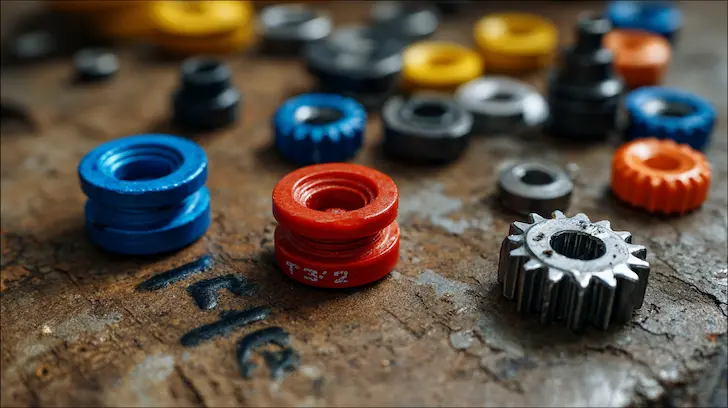
The T2 run incorporates the mechanical fixes from T1 and focuses on "Fit and Finish." If the toy has articulation or multiple interlocking parts, T2 is where we perfect the tolerances. By the T3 stage, the mold is fully optimized. The resulting parts are used to create the "Golden Sample"—the ultimate reference for mass production. This disciplined off-tool sample validation ensures that once the "Green Light" is given for mass production, the factory is capable of running at 100% speed with 0% deviation from the approved quality standard.
Automation Integration:
24/7 Precision in a FAMA Factory
In 2026, high-volume toy manufacturing is increasingly defined by automation. At Unstoyppable, our FAMA compliant factory in China network utilizes advanced robotics to maintain a constant cadence of high-quality output.
Robotic Extraction and Secondary Operations
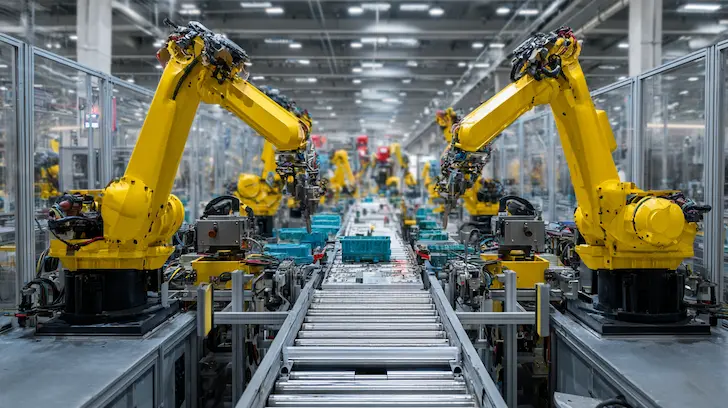
To prevent the toy structural defects associated with manual handling, we utilize 6-axis robotic arms for part extraction. These robots remove the hot plastic from the mold with a consistent force and placement, ensuring that delicate parts are not warped during the cooling phase. Furthermore, we integrate automated degating systems that remove excess plastic with laser-like precision. This level of automated toy manufacturing China technology ensures a cleaner finish and higher safety compliance, as it minimizes the risk of sharp edges caused by manual trimming.
Automated Paint and Decoration Lines
For mass producing licensed figures, consistency in decoration is paramount. We utilize automated spray-painting booths and high-speed pad printing carousels that apply character colors with sub-millimeter registration. By removing the "Human Variable" from repetitive tasks, we eliminate the off-model toy production issues that often plague high-volume runs. These automated lines are capable of 24/7 operation, allowing us to meet the most aggressive seasonal manufacturing lead time requirements while maintaining a safety record that meets the strictest Disney and BSCI audit standards.
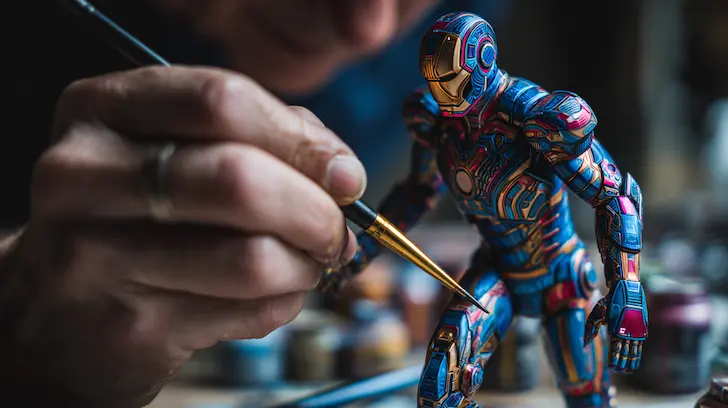
Industrial Leadership Insight: Mass production is not merely about making "a lot" of toys; it is about making millions of *identical* toys. By mastering mold development & injection tooling and embracing automated toy manufacturing China, Unstoyppable provides a level of industrial reliability that smaller trading companies cannot match. We build the machines that build your brand.
The Final Polish:
Decoration, Global Compliance, and Retail Readiness
The final stage of the licensed product mass production process is where a collection of industrial plastic parts is transformed into a world-class collectible. At Unstoyppable, we believe that the beauty of a character lies in the details—the sharpness of the eyes, the vibrancy of the colors, and the safety of the final build. Turning raw injection-molded components into shelf-ready masterpieces requires a sophisticated blend of licensed toy decoration techniques and rigorous toy quality assurance. This phase is governed by a commitment to 100% IP fidelity and uncompromising safety. From the first application of non-toxic ink to the final GTIN / EAN barcode labeling, every step is designed to ensure that your product not only passes global customs but thrives in the competitive retail environment. We treat the assembly line as a gallery where your brand's vision is meticulously brought to life.
High-Fidelity Decoration:
Bringing Characters to Life
For fans and collectors, the decoration of a character is its most defining feature. We utilize advanced licensed toy decoration techniques to ensure that every mass-produced unit reflects the premium quality of the original hand-painted prototype.
Precision Pad Printing and Multi-Color Registration
Character faces often require intricate detailing that standard printing cannot achieve. We utilize 12-color high-speed pad printing carousels that allow for complex expressions to be applied with sub-millimeter precision. By using custom-machined steel clichés and high-opacity inks, we prevent "color bleed" and ensure that eyes, logos, and fine insignias are perfectly registered. This precision is a core component of our toy quality assurance, ensuring that the "soul" of the character is never compromised by the speed of high-volume toy manufacturing.
Advanced Airbrushing and Laser Etching
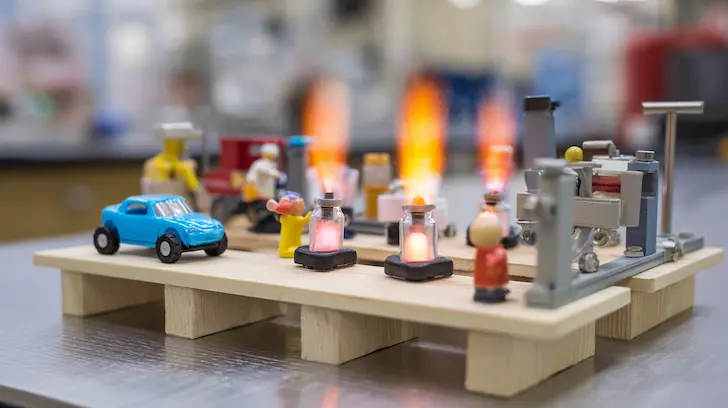
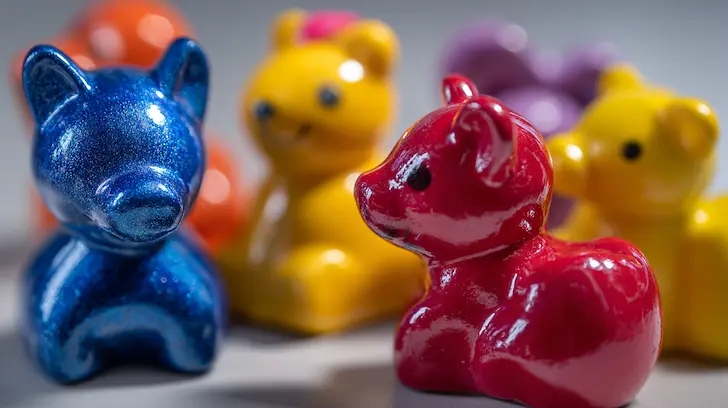
To add depth and realism, we employ skilled artisans for gradient airbrushing—perfect for creating realistic skin tones or weathered "battle damage" on action figures. Additionally, for limited-edition collectibles, we utilize laser etching to create microscopic textures or unique serial numbers directly into the plastic. These licensed toy decoration techniques elevate a standard product into a "premium" offering, allowing brand owners to command higher price points at retail while maintaining the efficiencies of automated toy manufacturing China.
Third-Party Toy Lab Testing and Certification
Before a single unit is packed, we coordinate extensive third-party toy lab testing. We work with globally recognized bodies like SGS, ITS, and BV to verify EN71 and ASTM safety compliance. This includes physical tension tests, flammability assessments, and chemical analysis for phthalates or heavy metals. By treating safety as a proactive engineering goal rather than a final hurdle, we ensure that your licensed product mass production process is a "Clean Run" that avoids the risk of recalls or border seizures. Our documentation is bulletproof, providing you with the Children’s Product Certificate (CPC) and Declaration of Conformity (DoC) required for rapid customs entry.
Material Purity and Non-Toxic Finishes
In our FAMA compliant factory in China network, we maintain strict control over the chemical composition of our paints and coatings. We utilize exclusively non-toxic, lead-free pigments that adhere perfectly to the base resin. This durability ensures that the toy remains safe and aesthetically perfect even after years of handling. This commitment to EN71 and ASTM safety compliance is what has made Unstoyppable a trusted partner for the world’s largest entertainment franchises.
Launch Your Licensed Product Line with a Proven Partner
From the first paint stroke to the global shipping container, we manage the entire journey. Ensure your brand’s triumphant arrival on the retail shelf today.
The Assembly Line Logic:
Cellular Manufacturing for Complex Items
Modern licensed products are often multi-material, featuring electronics, soft goods, and intricate mechanical parts. We manage this complexity through "Cellular Manufacturing" logic.
Error-Free Assembly for Interactive Toys
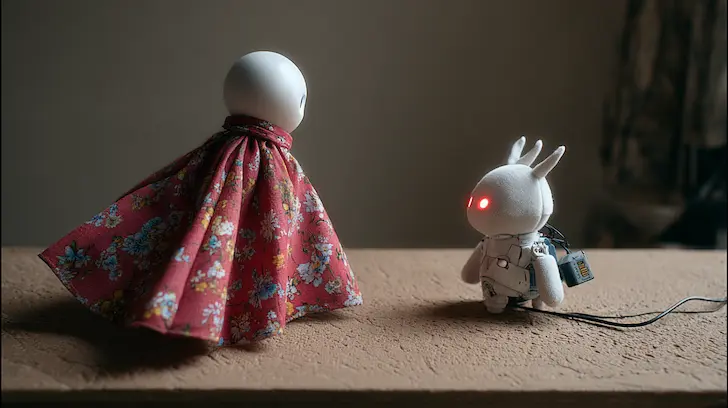
For products featuring light, sound, or movement, we organize the assembly line into specialized "cells." Each station is equipped with automated toy safety testing jigs that verify the function of the electronic module before it is sealed inside the plastic housing. This "In-Line" validation is a critical part of toy quality assurance, ensuring that 100% of the units leaving the factory are fully functional. By breaking down the licensed product mass production process into these controlled steps, we eliminate the assembly errors common in traditional "long-line" manufacturing.
Soft Goods Integration
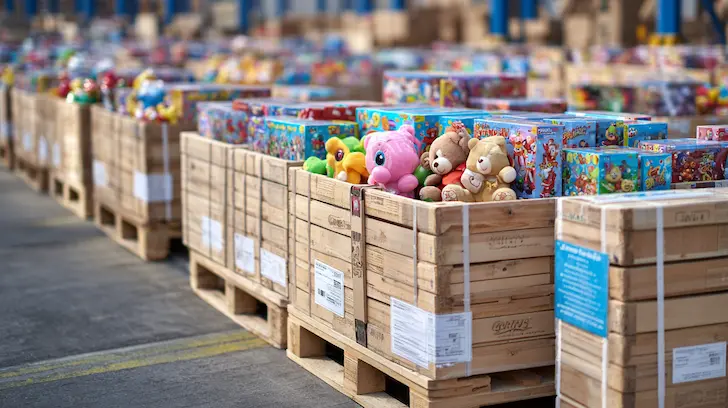
When a project requires "mixed media"—such as a plastic figure with a fabric cape or a plush toy with internal electronics—our soft goods manufacturing specialists work alongside the injection molding team. We ensure that the attachment points are structurally sound and meet all "Small Parts" safety regulations. This holistic approach to character product manufacturing ensures a harmonious final product that feels cohesive and premium.
Final Fulfillment:
GTIN Precision and Global Distribution
The journey from the factory gate to the retail shelf is the final hurdle. We ensure that your products are "Retail-Ready" the moment they are loaded into the container.
Retail-Ready Packaging and Labeling
As a leading retail-ready packaging manufacturer, we provide custom-designed blister cards, window boxes, and display shippers that are engineered for the rigors of global distribution for licensed products. We manage the precise application of GTIN / EAN barcode labeling, ensuring that every SKU is instantly scannable by major retail POS systems. This attention to detail prevents the costly relabeling fees and logistical delays that often occur at the warehouse level.
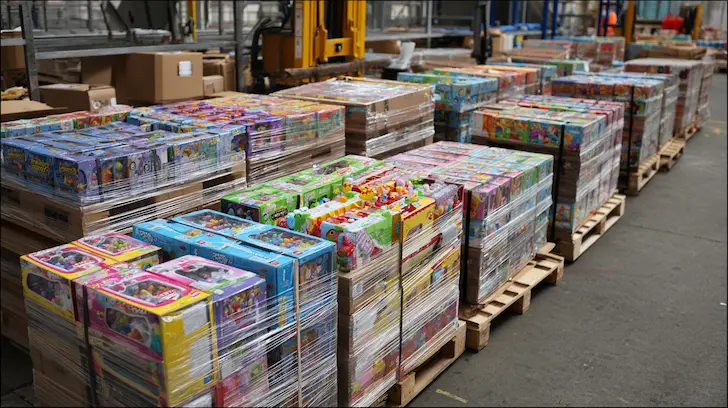
Optimized Loading for Global Distribution
Our logistics team specializes in global distribution for licensed products, managing everything from container optimization to final customs clearance. We ensure that your products are packed to maximize space while preventing transit damage. Whether your destination is a major distribution center in the US or a theme park in Europe, we provide the "Logistical Visibility" needed to ensure a triumphant market launch. At Unstoyppable, we don't just finish a product; we deliver a success story to your doorstep.
Mass Production Process FAQ
How long does it take for a licensed product to move from concept to mass production?
The typical timeline is 6 to 9 months. This includes 1-2 months for character engineering for toys and prototyping, 2-3 months for mold development & injection tooling, and 1-2 months for mass production and third-party toy lab testing.
How is IP protected during the mass production phase in China?
We implement a multi-layered security protocol, including confidential licensed product manufacturing agreements, biometric access to production lines, and the destruction of all defective units to prevent them from entering the "grey market." Our FAMA compliant factory in China network is strictly audited for IP security.
What are the minimum order quantities (MOQ) for licensed product mass production?
MOQs generally start at 3,000 to 5,000 units per SKU. This is to offset the high costs of mold development & injection tooling and to ensure landed cost optimization for the brand owner. For smaller "boutique" runs, we offer specialized vinyl and resin solutions.
Can I make changes to the product once mass production tooling has started?
Minor "steel-safe" changes (removing material from the mold) are possible but can add cost and time. Major changes generally require new tooling. This is why we emphasize the Golden Sample development process to finalize all designs before the industrial phase begins.
A Product Ready for the World: The final masterpiece is a testament to a perfectly executed licensed product mass production process. By combining high-fidelity decoration, strict EN71 and ASTM safety compliance, and retail-ready fulfillment, we ensure your brand enters the market with strength and integrity. At Unstoyppable, your success is our final product.