Design for Mass Production (DFM):
Bridging the Gap Between Concept and Scale
In the competitive landscape of the global toy industry, the transition from a breathtaking creative concept to a profitable retail reality is governed by one critical discipline: Design for Mass Production (DFM). At Unstoyppable, we understand that a prototype is merely a proof of possibility, while a DFM-optimized design is a proof of profitability. Engineering for mass production is the strategic process of refining a product’s geometry, material composition, and assembly logic to ensure it can be manufactured at high speed with zero variance. For 2026, scalable toy manufacturing requires more than just a factory line; it requires an "industrial blueprint" that anticipates the physical stresses of injection molding and the logistical demands of global fulfillment. By implementing rigorous toy DFM principles, we enable brand owners to maintain the artistic integrity of their IP while achieving the radical efficiency necessary for reducing toy production costs on a massive scale.
The DFM Philosophy:
From Prototype to Million-Unit Precision
The core of the DFM philosophy is a shift in perspective. While a character designer asks, "How does it look?", our DFM engineers ask, "How does it flow?" and "How does it eject?" This analytical approach ensures that every curve and joint is optimized for the industrial environment.
Engineering for Consistency and Character Integrity
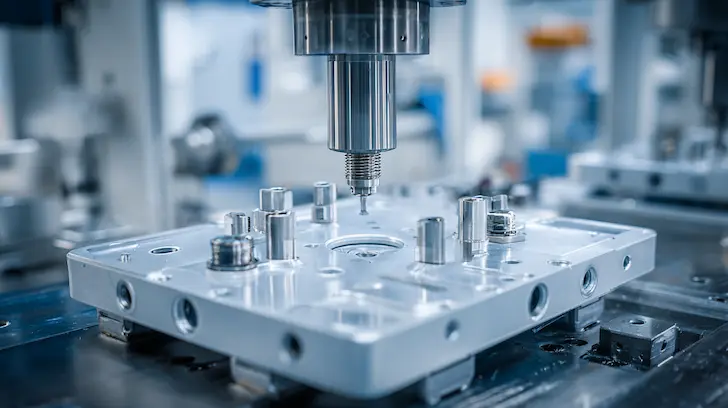
The primary goal of design for mass production toys is the elimination of production variables. When producing a single handcrafted model, an artisan can manually fix a seam or sand down a rough edge. In a run of one million units, such manual intervention is a bottleneck that destroys ROI. We focus on "tuning" the design so that the first unit off the line is identical to the millionth. This consistency is achieved by simulating the manufacturing environment during the CAD phase, ensuring that the character's iconic silhouette is structurally reinforced for high-speed oem licensed product manufacturing. By engineering reliability into the design, we protect the brand’s reputation for quality while maximizing throughput.
Speed-to-Market Through Proactive Engineering
A well-executed DFM strategy is the fastest path to retail. By identifying potential molding failures before the steel for the tool is even ordered, we shave weeks off the production timeline. Scalable toy manufacturing depends on a "right-first-time" approach. Our engineers review every undercut and parting line to ensure the mold design is as simple and robust as possible. This proactive stance reduces the need for multiple "T1" sample iterations, allowing your brand to launch with the momentum and precision that the 2026 market demands.
Wall Thickness Optimization:
The Foundation of Structural Perfection
One of the most vital toy DFM principles involves the management of wall thickness. In the world of thermoplastic injection molding, uniformity is the key to aesthetic and structural success.
Maintaining Uniformity to Prevent Sink Marks
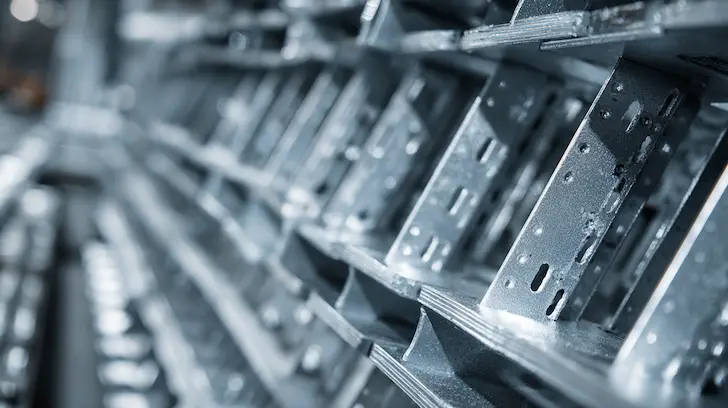
For materials like high-impact ABS, the ideal wall thickness is typically maintained between 1.5mm and 3.0mm. When a design features varied thickness, the plastic cools at different rates. Thick areas retain heat longer, shrinking inward and creating "sink marks"—unsightly depressions on the character's surface. Our engineering for mass production team utilizes "coring out" techniques to remove excess material from the interior of a part while adding structural ribs for strength. This ensures that the outer shell remains flawless and smooth, which is essential for high-quality custom licensed product development.
Managing Warping through Thermal Balance
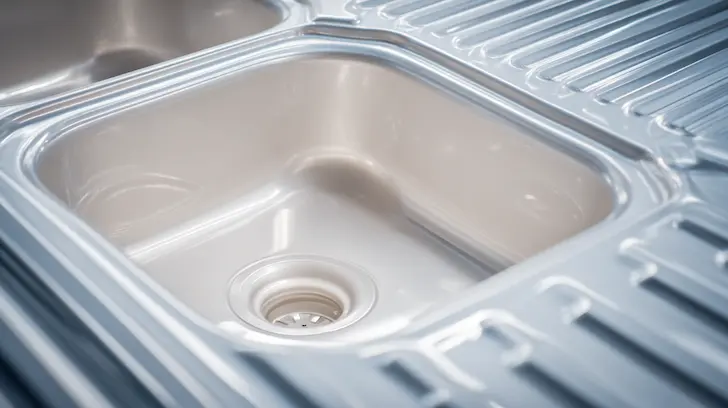
Warping is the result of internal stresses caused by non-uniform cooling. By optimizing wall thickness, we ensure a balanced thermal profile across the part. This is especially critical for flat surfaces or long, thin components like swords or wings. By maintaining the correct thickness-to-length ratios, we ensure that every component stays straight and true to the original 3D sculpt. This technical precision is what allows Unstoyppable to deliver retail-ready licensed product production that meets the highest standards of the most demanding collectors.
Transform Your Vision into a Scalable Asset
Excellence in design is only the beginning. Partner with our specialist engineering team for a comprehensive DFM audit that guarantees your IP is ready for global scale.
Draft Angle Mastery:
Engineering for High-Speed Ejection
A draft angle is a slight taper applied to the vertical faces of a part to facilitate its easy removal from the mold. In high-speed toy manufacturing, draft is a non-negotiable requirement for efficiency.

Hiding Technical Tapers in Creative Aesthetics
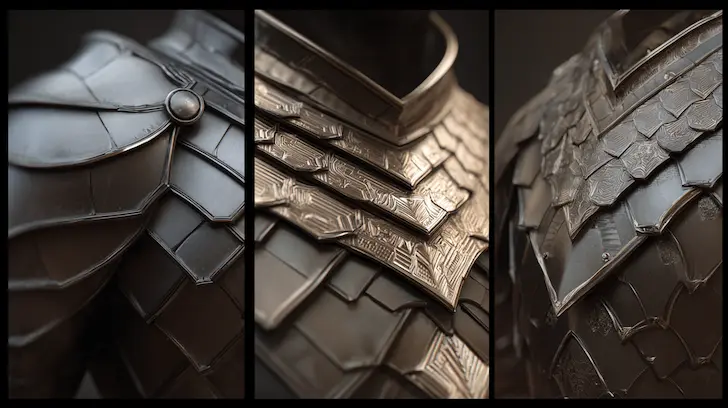
The "Special Ops" level of design for mass production toys involves hiding these necessary tapers within the character's design. Our engineers work closely with the IP style guides to integrate draft angles into natural features—such as the curve of an armor plate, the flare of a boot, or the drape of a cape. By camouflaging the engineering requirements, we provide a part that is optimized for scalable toy manufacturing while appearing completely "un-engineered" to the consumer. This seamless blend of form and function is why leading media franchises trust Unstoyppable for their most complex projects.
Part Consolidation (DFMA):
Reducing Assembly and Points of Failure
Design for Manufacturing and Assembly (DFMA) is the practice of simplifying a product’s structure to reduce the number of individual components. In the 2026 market, this is the most effective way of reducing toy production costs.
Merging Components into "Smart" Geometry
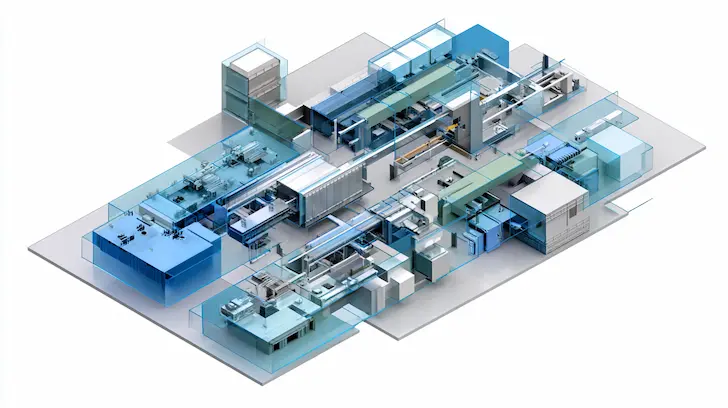
Every time two parts are joined, there is a cost: the cost of the joiner (screw, glue, or sonic weld), the cost of the labor, and the potential for a quality failure. Our engineering for mass production team looks for opportunities to merge multiple components into a single complex part. Using advanced mold development injection tooling techniques like sliders and lifters, we can create intricate, hollow, or interlocking parts in a single shot. This reduction in part count simplifies the supply chain and results in a more durable, higher-quality end product that is easier to manage across a transparent supply chain manufacturing network.
Lowering Labor Overhead through Intelligent Design
By minimizing the "assembly touch-points," we drastically lower the labor overhead. This is particularly vital when manufacturing in China, where labor costs are rising, and automation is becoming the new standard. A DFM-optimized product with fewer parts is better suited for toy manufacturing technology automation, allowing robots to handle packing and fulfillment tasks more effectively. This strategic reduction in complexity is a primary driver of mass production toy ROI, ensuring your project stays within budget while exceeding the quality expectations of global retail partners.

The DFM Advantage: Strategic design for mass production toys is the ultimate protection for your margins. By mastering wall thickness, draft angles, and part consolidation, Unstoyppable ensures your scalable toy manufacturing project is built on a foundation of industrial excellence. Don't just design a toy—engineer a global success.
Technical Optimization:
Material Selection and High-Speed Tooling Integration
Achieving high-speed toy manufacturing at a global scale requires a seamless synergy between material science and mechanical tool design. In the DFM (Design for Manufacturing) workflow, the physical properties of the chosen resin dictate the architecture of the mold itself. At Unstoyppable, our technical optimization process ensures that the "melt-flow" of the plastic is perfectly synchronized with the geometry of the tool. This harmony is essential for maintaining injection molding DFM standards, where even a micro-second of delay in the cooling cycle or a slight mismatch in material viscosity can result in significant production bottlenecks. By integrating toy material engineering with multi-cavity toy molds, we create a robust production ecosystem that delivers thousands of identical, high-fidelity parts per hour. This level of technical precision is what allows us to transform complex IP into retail-ready licensed product production that is both cost-effective and structurally superior.
Resin Compatibility:
The Science of High-Volume Filling
The success of scalable toy manufacturing depends heavily on the "Melt Flow Index" (MFI) of the selected polymer. Our engineers select resins that are specifically formulated for high-cavitation environments.
Optimizing Melt Flow for Multi-Cavity Tooling
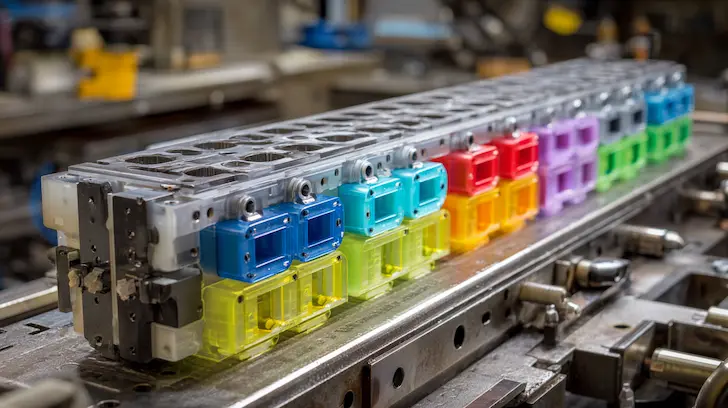
In multi-cavity toy molds, the molten plastic must travel through a complex network of runners to reach 8, 16, or even 32 cavities simultaneously. We select materials such as high-flow ABS or specialized Polypropylene (PP) that possess a high MFI, ensuring the resin reaches the furthest extremities of every cavity before it begins to solidify. This injection molding DFM strategy prevents "short shots" and ensures that every character in a high-volume run features the same crisp detail and density. By balancing the injection pressure with the resin’s viscosity, we achieve a stable, repeatable process that is the backbone of high-speed toy manufacturing.
Material Synergy for Articulated Components
When designing for mass production, we often utilize a mix of materials—such as rigid ABS for structural bodies and soft TPE (Thermoplastic Elastomer) for flexible joints. Our toy material engineering team ensures that these resins are chemically compatible for overmolding processes. This compatibility allows for the creation of complex, multi-textured figures in a single automated cycle, reducing the need for secondary adhesive applications. This technical foresight ensures that the product is durable, safe, and optimized for entertainment merchandise manufacturing at scale.
In-Mold Decoration (IMD):
Engineering Consistency through Printing Film
One of the most transformative DFM strategies for 2026 is the replacement of traditional manual painting with printing film for mass production, also known as In-Mold Decoration (IMD) or In-Mold Labeling (IML).
Eliminating Manual Steps with Automated Finishing
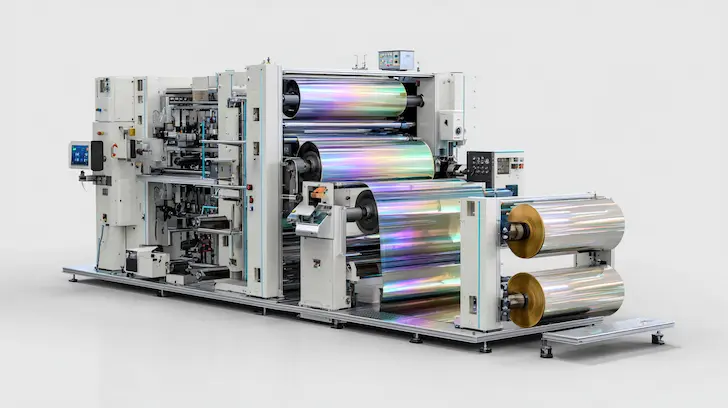
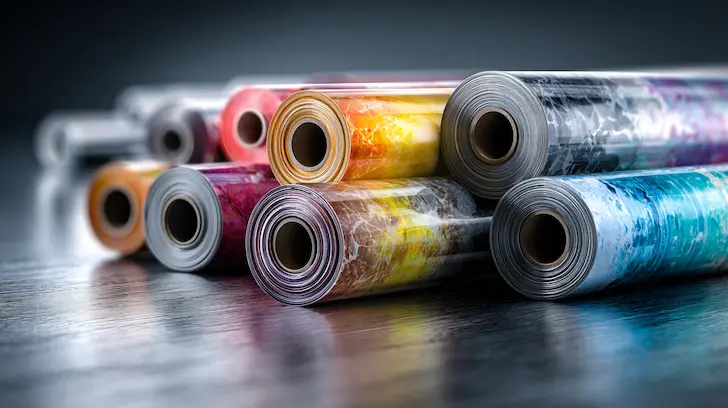
Traditional spray painting and pad printing are often the slowest stages of toy production and the primary source of aesthetic variance. By utilizing printing film for mass production, we place a pre-printed, high-resolution film directly into the mold before injection. The molten plastic fuses with this film, creating a permanent, scratch-resistant finish that is 100% consistent across the entire production run. This technical optimization ensures that every unit matches the "Master Sample" with digital precision, providing a retail-ready licensed product production that satisfies the most meticulous brand style guides.
Enhanced Durability for Play and Display
Beyond consistency, IMD provides a level of durability that surface-applied paints cannot achieve. Because the graphic is embedded within the surface layer of the plastic, it is protected from the oils of human skin, environmental humidity, and abrasive wear. This makes it the ideal choice for character product manufacturing where the character's facial features or complex costume patterns must remain pristine after years of handling. This high-efficiency finishing method is a cornerstone of our scalable toy manufacturing services for global media franchises.
Don't Leave Your Production to Chance
Material selection and tooling strategy are the two pillars of manufacturing success. Leverage our technical expertise to ensure your next global launch is flawless.
Gate and Ejector Pin Strategy:
The Art of Invisible Engineering
A major challenge in design for mass production toys is maintaining a "premium look" while including the necessary mechanical features of injection molding. This is where gate and ejector pin strategy becomes critical.
Hidden Gate Placement for Seamless Aesthetics
The "gate" is the point where plastic enters the mold cavity. In standard production, this often leaves a visible mark or "stub." Our injection molding DFM experts utilize "sub-gates" or "tunnel gates" that are positioned in non-visible areas—such as under a character’s hair, inside a joint, or on the bottom of a foot. By hiding these entry points, we ensure the character’s "licensed look" remains uninterrupted. This meticulous attention to detail is a hallmark of collectible figure manufacturer standards, where the illusion of a seamless sculpture must be maintained despite high-speed industrial production.
Optimized Ejection for Rapid Cycle Times
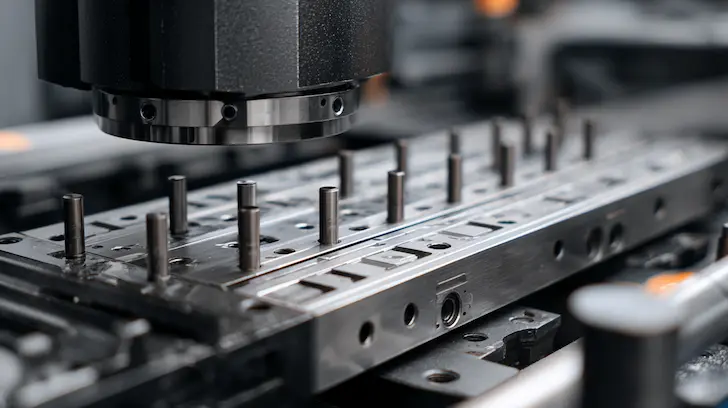
Ejector pins are required to push the cooled part out of the mold. If poorly placed, they can distort the part or leave unsightly circular marks. Our high-speed toy manufacturing R&D team designs ejection systems that apply uniform pressure to the strongest parts of the geometry. We often integrate ejector pins into the internal structural ribs or hidden mating surfaces. This allows the mold to open and the parts to eject at maximum velocity, significantly reducing toy production costs by shortening the overall cycle time without compromising the surface finish of the custom licensed product development.
Tolerances for Mass Production:
Balancing Precision and Profitability
Establishing "Real-World" tolerances is perhaps the most important technical optimization step for long-term manufacturing success. Over-engineering tolerances can be just as damaging to a project as under-engineering them.
Establishing High-Speed Assembly Standards
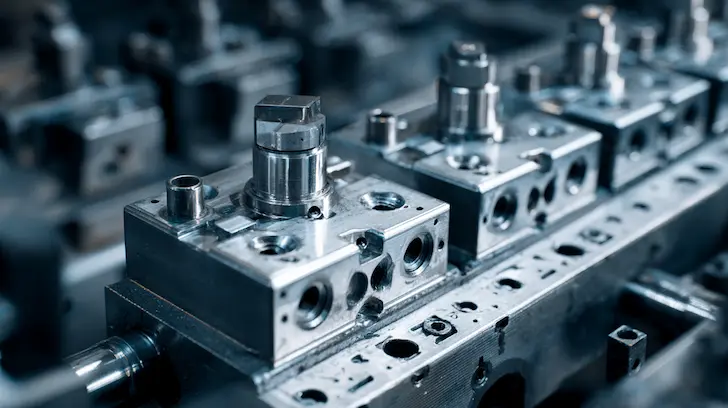
In scalable toy manufacturing, parts must fit together perfectly without the need for manual adjustment. However, requesting "aerospace-level" tolerances for a consumer toy leads to high scrap rates and exponentially higher tooling costs. Our engineering for mass production team establishes "functional tolerances" that allow for high-speed automated assembly while accounting for the natural thermal expansion and contraction of the plastic. This ensures a 100% assembly success rate and a "tight" feel to the finished product, which is essential for high-precision toy molds designed for the 2026 market.
Reducing Scrap Rates through DFM Validation
By defining realistic tolerances during the design for mass production toys phase, we ensure the production line remains efficient. When parts are designed with the "assembly window" in mind, the AQL inspection in toy manufacturing yields much higher pass rates. This reduction in waste directly contributes to reducing toy production costs and ensures that the oem licensed product manufacturing process remains sustainable and profitable for the IP holder over the entire lifecycle of the product.

Technical Harmony: Successful manufacturing is the result of material science and mechanical engineering working in perfect unison. By mastering resin compatibility, in-mold decoration, and gate strategy, Unstoyppable delivers high-speed toy manufacturing that never sacrifices the artistic vision of the brand. Let us optimize your production for the global stage.
The Business Case for DFM:
Reducing Landed Costs and Ensuring Compliance
In the high-stakes world of licensed merchandise, Design for Mass Production (DFM) is far more than an engineering checklist; it is a strategic insurance policy for your brand’s profitability and reputation. At Unstoyppable, we view mass production toy ROI as a direct result of proactive design decisions made months before the first unit hits the retail shelf. By integrating toy safety DFM into the initial development phase, we eliminate the hidden costs associated with production delays, material waste, and regulatory failures. In 2026, the complexity of global logistics and the tightening of safety mandates mean that a "pretty" design is secondary to a "producible" one. Our DFM framework ensures that your product is optimized for reducing landed cost manufacturing while maintaining 100% adherence to ASTM F963 DFM compliance and EN71 design optimization. This section details how we transform technical engineering into a powerful engine for business growth and brand security.
Designing for Safety Standards:
Compliance by Geometry
Relying on end-of-line inspections to catch safety hazards is a reactive approach that leads to high scrap rates. Our toy safety DFM philosophy is built on "Compliance by Geometry," where safety is engineered directly into the part's DNA.
Mitigating Sharp Edges and Small Parts at the CAD Level
Through EN71 design optimization, we analyze every radius and vertex of a character sculpt. If a design features a cape or a weapon that is too pointed, we adjust the fillet radii to ensure it passes "sharp point" testers without compromising the character's aesthetic. Similarly, we engineer internal locking mechanisms for articulated joints to ensure that "small parts" cannot be detached under tension. This proactive toy safety DFM ensures that your product is inherently compliant with ASTM F963 material safety standards, allowing for a smooth transition through third-party toy lab testing and into global markets.
Engineering Out Endocrine Disruptors and Chemical Risks
Safety compliance also extends to chemical integrity. By optimizing part geometry, we can often utilize resins that are naturally phthalate-free toy materials but may be harder to mold, such as high-grade Polypropylene. DFM allows us to create the necessary wall thicknesses and gating strategies to make these safer, more compliant materials viable for high-speed toy manufacturing, protecting your brand from future regulatory shifts.
The 5% Rule:
Cycle Time and Material ROI
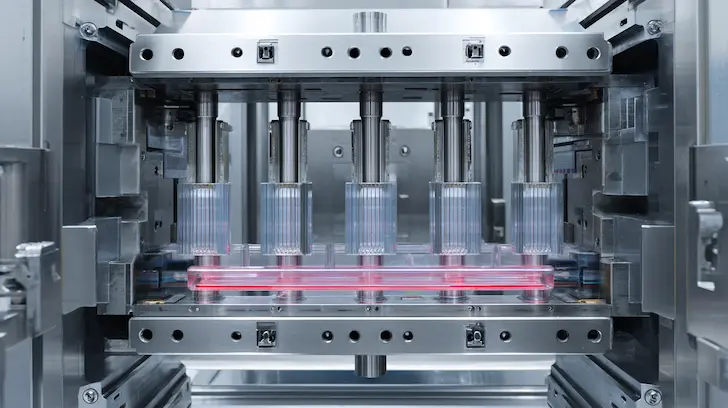
Consider the impact of a 5% reduction in injection molding cycle time. By optimizing cooling channels through advanced toy tooling R&D and refining wall thickness, we can shave seconds off every shot. Over a high-volume run, this translates into thousands of hours of machine time saved and a significant reduction in electricity and labor costs. Similarly, a 10% reduction in material waste through hot runner system R&D and "lightweighting" geometry significantly improves your mass production toy ROI. These savings allow IP holders to maintain healthy margins even in inflationary environments, proving that DFM is the ultimate tool for reducing toy production costs.
Lowering Assembly and Logistics Overhead
DFM also focuses on reducing "touch points." By consolidating parts and engineering snap-fit joints that eliminate the need for screws or ultrasonic welding, we lower the total labor cost per unit. Furthermore, by designing parts to nest efficiently, we can reduce the volume of retail-ready packaging, allowing more units to fit into a shipping container. This optimization of the physical footprint is a critical component of reducing landed cost manufacturing in 2026's global supply chain.
Protect Your Margins and Your Brand
Excellence in engineering is the best defense against rising costs. Explore how our proactive DFM process accelerates ROI and guarantees global compliance for your IP.
Sustainable DFM:
Engineering for the Circular Economy
In 2026, sustainability is a core requirement of retail-ready licensed product production. Our DFM process incorporates eco-design principles that benefit both the planet and the bottom line.
Lightweighting and Bio-Based Resin Optimization
We use toy mold flow analysis to "lightweight" our designs, using structural ribbing to maintain strength while reducing the total volume of plastic required. This sustainable toy manufacturing approach reduces material spend and shipping weight. Furthermore, we optimize our tools specifically for bio-based plastic toys. Because sustainable resins often have different flow characteristics, our DFM team adjusts gate sizes and venting to ensure these materials perform at the same speed as traditional ABS, ensuring that "going green" is a financially viable mass production toy ROI strategy.
The DFM Feedback Loop:
Real-Time Refinement
Our DFM process is a living cycle. We utilize real-time data from our audited factory network China to continuously refine the golden sample development process.
Refining the Golden Sample for Maximum Durability
During the initial production run, we monitor the stress points of the molded parts. If a specific joint shows a higher-than-average wear rate, we immediately feed that data back into the DFM loop to reinforce the geometry. This ensures that the high-speed toy manufacturing process evolves to become more robust over time. This feedback loop is what allows Unstoyppable to maintain a "Zero-Recall" reputation for our clients, protecting long-term brand health and consumer trust.
DFM & Profitability FAQ
How does DFM improve toy safety for global markets?
Toy safety DFM prevents hazards by engineering them out of the design. By adjusting radii to prevent sharp edges and reinforcing internal structures to prevent small parts from detaching, we ensure the product passes ASTM F963 DFM compliance and EN71 design optimization before it ever reaches a testing lab.
What is the difference between DFM and DFA in toy production?
DFM (Design for Manufacturing) focuses on optimizing the individual parts for processes like injection molding DFM. DFA (Design for Assembly) focuses on simplifying the way those parts fit together. At Unstoyppable, we combine both (DFMA) to reduce toy production costs by making parts easier to mold and faster to assemble.
Can DFM help reduce my tooling investment?
Yes. Through part consolidation, we can often reduce the number of individual molds required for a character. By engineering multi-cavity toy molds that are more efficient, we maximize the output per tool, effectively lowering your initial capital expenditure and improving your mass production toy ROI.
How does Unstoyppable ensure IP security during the DFM design exchange?
We utilize confidential licensed product manufacturing protocols, including secure PLM (Product Lifecycle Management) systems and encrypted file transfers. Our IP protection in China manufacturing ensures that your 3D assets are only accessible to the essential engineering team during the DFM optimization process.