The Anatomy of a License:
Translating IP into Technical Specifications
The journey of a successful retail product begins long before the first injection mold is fired. In the specialized world of entertainment merchandise, the licensed character product manufacturing process is a disciplined transition from artistic vision to industrial reality. When a media franchise or toy brand provides a style guide, they are providing a blueprint for their brand’s soul. At Unstoyppable, our role is to act as the technical bridge, ensuring that every curve, color, and character trait is preserved while optimizing the design for mass production. This pre-production phase is the most critical stage of the lifecycle; precision in the digital stage prevents costly rejection in the physical stage. By meticulously managing style guide implementation toys, we ensure that the "on-screen" magic is perfectly captured in a physical form that meets the rigorous standards of global licensors like Disney, Universal, and Warner Bros. Our approach integrates creative fidelity with technical character specs, providing a foundation for a seamless, high-yield manufacturing run in 2026.
Style Guide Interpretation:
The Brand’s Technical Constitution
A style guide is a complex document that defines the boundaries of an intellectual property. Interpreting this correctly is the first step in licensed character product manufacturing.
Color Fidelity and Pantone Synchronization
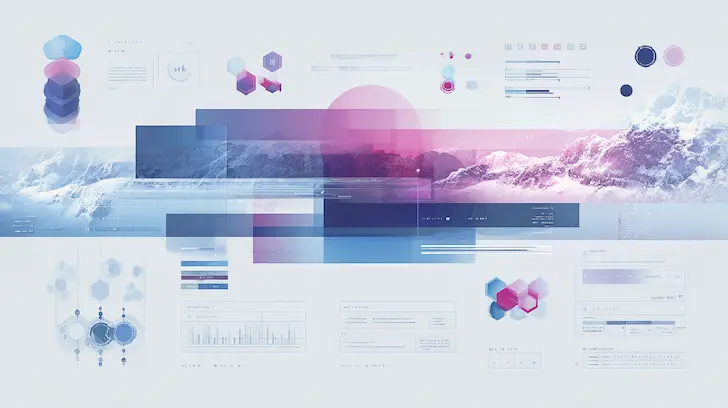
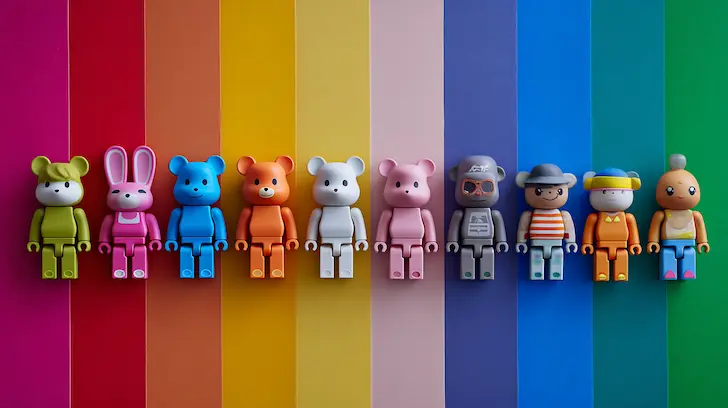
Character recognition relies heavily on color consistency. Our engineering team specializes in style guide implementation toys by mapping the digital HEX and RGB values from your guide to physical Pantone (PMS) standards. We account for how different materials—whether it is matte PVC for a figure or high-pile plush for a character’s mane—absorb and reflect light. By establishing these technical character specs early, we ensure that the protagonist's iconic suit remains the exact same shade across every product category. This level of color synchronization is what distinguishes a professional licensed merchandise manufacturer from a general toy factory.
Maintaining Proportions and "Off-Limits" Design Elements
Major licensors have strict "do not" rules—such as never altering a character's eye shape or maintaining specific height ratios between heroes and villains. We translate these creative mandates into a factory-ready tech pack. This document serves as the "Instruction Manual" for the factory, detailing every forbidden modification. By adhering to these strict brand approval process toys requirements, we minimize the back-and-forth with brand managers, accelerating the timeline from concept to market-ready product. We treat your style guide as a technical constitution that must be followed with 100% accuracy.
The 3D Sculpting Milestone:
Digital Mastery for Industrial Success
Moving from 2D concept art to a 3D model is a transformative step that requires a deep understanding of character 3D modeling for manufacturing.
Optimizing CAD and ZBrush Models for Injection Molding
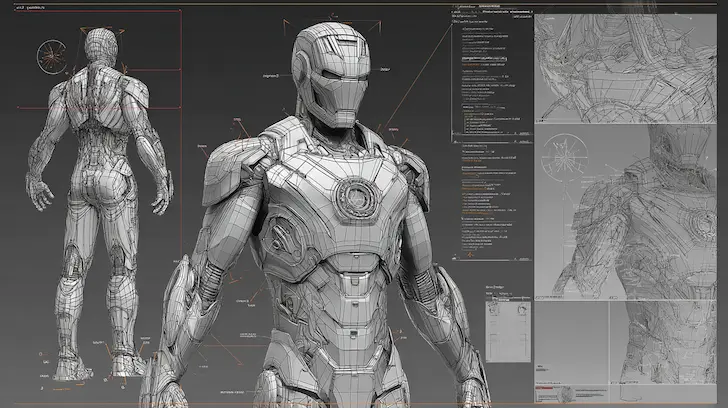
A digital sculpt that looks perfect on a screen may be impossible to manufacture without the right engineering. Our character 3D modeling for manufacturing process utilizes software like CAD and ZBrush to refine the character’s geometry. We specifically focus on "Draft Angles"—the slight taper required to allow a plastic part to be removed from a mold—and "Parting Lines," where the two halves of the mold meet. By strategically placing these lines in inconspicuous areas, such as hair seams or clothing folds, we maintain the aesthetic integrity of the character. This advanced toy material engineering ensures that the final product is not only beautiful but also optimized for high-speed, high-quality production.
Structural Integrity and Safety Integration
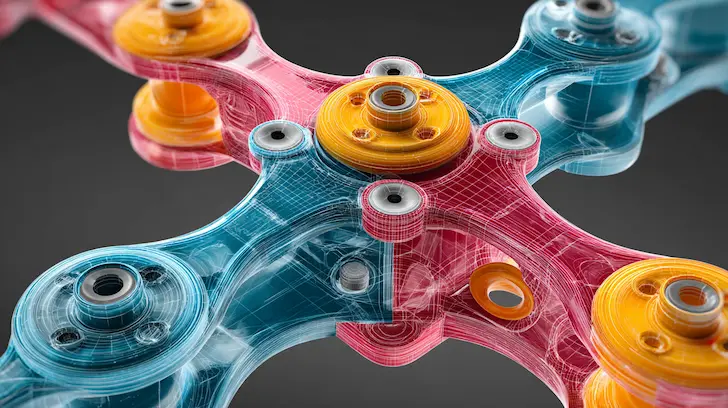
During the digital sculpting stage, we also address the mechanical requirements of the toy. We analyze the model for "stress points" where thin plastic might snap or where small parts could pose a choking hazard. By reinforcing these areas digitally, we ensure the product will pass ASTM F963 compliant manufacturer standards later in the process. Integrating safety into the technical character specs at the digital stage is the most efficient way to ensure global compliance without compromising the character's signature look.
Bridge the Gap Between Vision and Production
Ensure your IP is production-ready with our expert character 3D modeling for manufacturing services.
Material Selection for Brand Integrity:
The Feel of the Franchise
The choice of material determines the consumer's perception of quality. We curate a selection of high-fidelity materials that match the premium nature of your license.
Specialized Textiles and Soft Goods
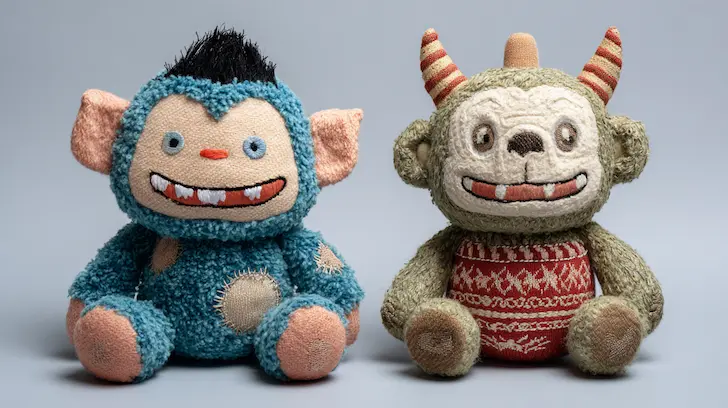
When a license involves plush or mixed-media products, material selection expands to specialized fabrics, faux furs, and embroidered details. We source textiles that replicate the on-screen appearance of character costumes—whether it is a futuristic metallic sheen or a weathered, rustic weave. This commitment to style guide implementation toys ensures that every tactile element of the product reinforces the narrative of the franchise, providing fans with a truly immersive brand experience.
The Pre-Approval Loop:
Managing the "Concept Approval" Stage
In the world of licensed character product manufacturing, the licensor is a key stakeholder. Navigating their approval process is a specialty of the Unstoyppable team.
Digital Model Submission and Refinement
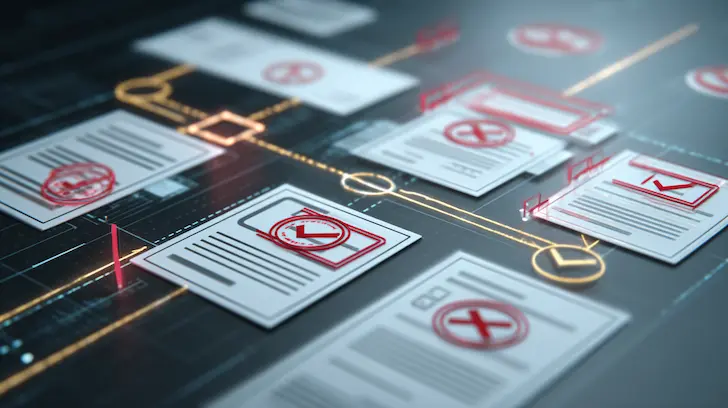
Before a single piece of steel is cut for a mold, we manage the "Concept Approval" stage. We provide the licensor with high-resolution 360-degree digital renders and "turnaround" views of the engineered 3D model. This allows the brand owners to verify the character's "likeness" and the technical character specs before we proceed to physical prototyping. Our experience with the brand approval process toys of major studios means we anticipate common critiques, leading to faster approvals and a more efficient development cycle.
The Strategic Advantage of Virtual Approval
By securing digital sign-off, we significantly reduce the risk of costly re-tooling later in the licensed character product manufacturing process. This phase is designed to ensure that the creative vision and the manufacturing reality are perfectly aligned. We act as your advocate, ensuring that the licensor’s feedback is translated into actionable engineering adjustments while maintaining the project's budget and timeline. This "First-Time Right" approach is why leading media brands trust Unstoyppable for their most valuable character IPs.
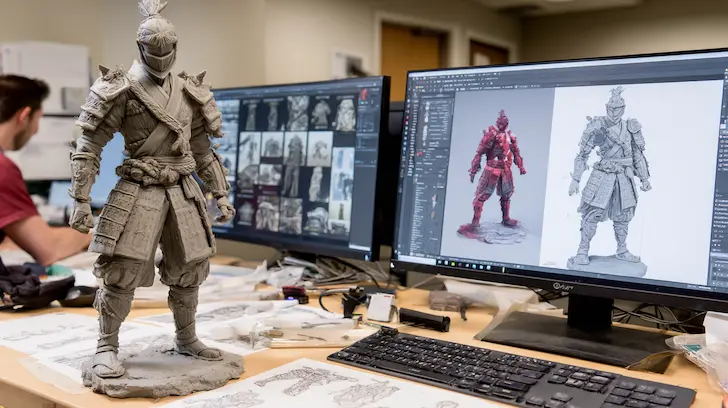
Technical Mastery Note: The transition from style guide to 3D blueprint is where authentic character manufacturing is truly born. By focusing on technical character specs and character 3D modeling for manufacturing, we build a foundation for a product that honors the brand and delights the fan. Precision today ensures success tomorrow.
The Road to the Golden Sample:
Prototypes and Precision Tooling
In the industrial lifecycle of a licensed IP, the transition from a digital asset to a physical product is the most demanding technical hurdle. Mastering the golden sample development process is essential for ensuring that the mass-produced reality matches the approved creative vision. As a premier toy prototyping manufacturer, Unstoyppable manages this transition through a series of rigorous physical milestones. This phase is where theoretical engineering meets the practicalities of steel, resin, and paint. By establishing a definitive "Golden Sample," we create an immutable quality benchmark that governs every subsequent unit produced in our audited factory network China. This section details the logistical and technical journey of character product tooling, ensuring that your franchise’s physical manifestations are consistent, durable, and fully optimized for the global retail market.
Physical Prototyping Tiers:
Validating Form and Function
Before committing to expensive steel molds, we utilize high-fidelity prototyping to validate every aspect of the character’s design. This iterative process is divided into specific tiers to ensure total accuracy.
"Looks-Like" Prototypes:
Aesthetic Validation
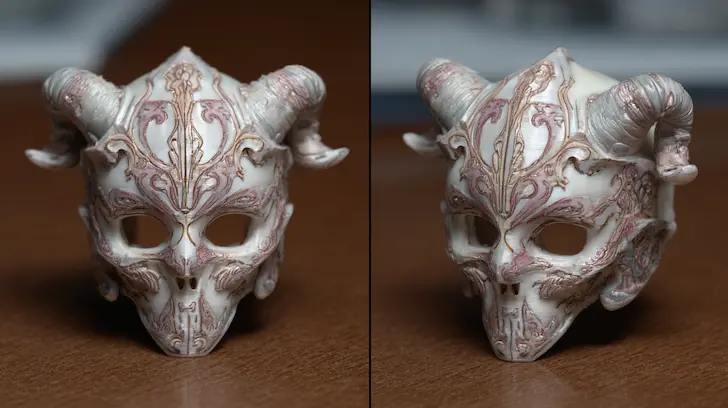
The first physical milestone is the "Looks-Like" prototype, often created using high-resolution SLA or DLP 3D printing. As a leading toy prototyping manufacturer, we use these samples to evaluate the character’s silhouette, scale, and surface detail. This is the stage where character figurine prototyping focuses on the "shelf presence." We apply professional hand-painted finishes to simulate the final production colors, allowing brand managers to see how the light interacts with the character’s features. It is a vital step for securing initial stakeholder buy-in before moving into the high-investment phase of injection mold development for toys.
"Works-Like" Prototypes:
Mechanical and Safety Testing
For products with moving parts, electronics, or complex assemblies, we develop "Works-Like" prototypes. These functional samples are engineered to test articulated joints, battery compartments, and sound chip triggers. In character product tooling, the mechanical "feel" is just as important as the visual look. We use these prototypes to conduct early-stage "drop tests" and "tension tests," ensuring the design is robust enough to meet ASTM F963 compliant manufacturer standards. Validating the mechanics at this stage prevents catastrophic engineering failures during the mass production run.
The Mold Development Phase:
Engineering the Steel Blueprint
Once the prototype is perfected, we move into mold development & injection tooling. This is the most capital-intensive part of the licensed character product manufacturing process and requires extreme precision.
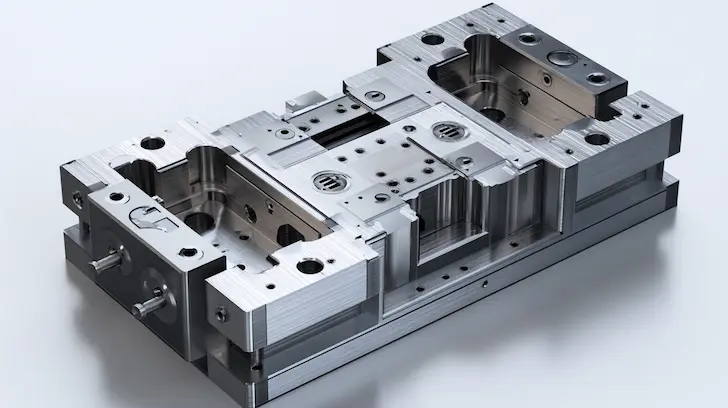
High-Precision Steel Tooling for Detailed Characters
Our injection molded toy manufacturer partners utilize S136 or NAK80 hardened steel to create molds capable of producing hundreds of thousands of identical units. Character product tooling is uniquely complex due to "undercuts"—intricate details like tucked arms, flowing capes, or open mouths that can get stuck in a standard two-part mold. Our engineers solve these challenges by designing "sliders" and "lifters" within the tool. This advanced toy material engineering allows us to capture hyper-detailed character designs while maintaining a high cycle speed and low scrap rate.
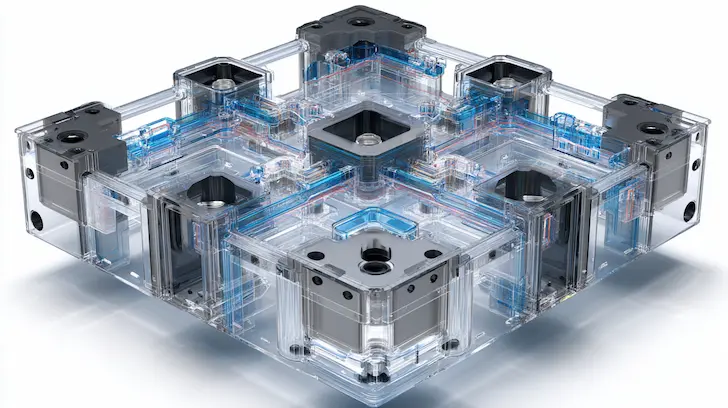
Multi-Cavity Efficiency and Cooling Channels
To optimize for mass production, we design multi-cavity molds that produce multiple parts in a single "shot." We integrate sophisticated cooling channels into the injection mold development for toys to ensure the plastic sets evenly, preventing "sink marks" or warping. This technical focus on mold thermodynamics is what ensures that the 100,000th unit is just as crisp and accurate as the very first one out of the tool. Precision tooling is the bedrock of retail-ready licensed product production.
Don't Settle for "Close Enough"
Partner with Unstoyppable for perfection at the golden sample development process. We ensure your molds are engineered for excellence.
The "Golden Sample" Benchmark:
Your Quality Constitution
The golden sample development process concludes with the creation of the definitive reference piece. This sample serves as the ultimate arbiter for quality control.
Defining the Mass Production Standard
A Golden Sample is more than just a beautiful toy; it is a legally binding quality standard. It represents the exact material density, paint opacity, and assembly strength that the factory must replicate. At Unstoyppable, we produce multiple identical Golden Samples: one for the client, one for our AQL inspection in toy manufacturing team, and one to be kept under lock and key at the factory. This ensures that throughout the licensed merchandise production, there is never any ambiguity regarding what constitutes a "pass" or a "fail." Consistency is maintained through physical comparison at every stage of the line.
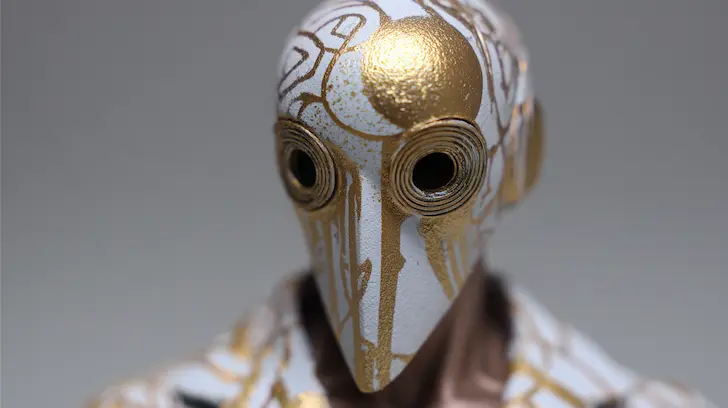
Mastering Paint Masks and Spray Ops
For character figurine prototyping, the Golden Sample defines the "Paint Master." We develop custom copper "paint masks" (stencils) based on this sample to ensure that every hand-sprayed detail—from the iris of an eye to the logo on a chest—is perfectly positioned. By standardizing the paint application process during the golden sample development process, we eliminate the human error typically associated with complex character decoration. Your characters will look exactly as the style guide intended, unit after unit.
Licensor Physical Sign-off:
The Final Pre-Production Gate
Before mass production begins, the product must pass the "Pre-Production Sample" (PPS) stage. This is the final opportunity for the licensor to evaluate the physical product.
Navigating the PPS Approval Process
Major entertainment brands require a physical sample pulled from the actual mass-production molds—not a 3D print. This "First Article" is evaluated for haptic feel, safety markings, and retail packaging integrity. Our toy prototyping manufacturer experts prepare a comprehensive "Approval Package" for the licensor, including third-party toy lab testing reports. By presenting a flawless PPS, we secure the final "green light" needed to initiate the high-volume licensed character product manufacturing process. We manage this logistical loop with speed and authority, ensuring your launch dates are never compromised by approval delays.
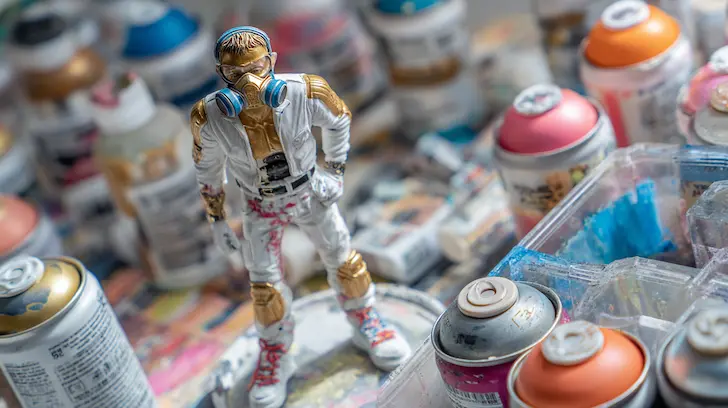
Transitioning to the Factory Floor
With the Golden Sample approved and the PPS signed off, the product is ready for the factory floor. We translate all the data gathered during character figurine prototyping into a "Standard Operating Procedure" (SOP) for the assembly line. This SOP includes high-definition photos of the Golden Sample from every angle, ensuring that every worker in our BSCI & Sedex audited toy factory understands the level of excellence required. At Unstoyppable, we don't just make toys; we create a repeatable, standardized system for character perfection.
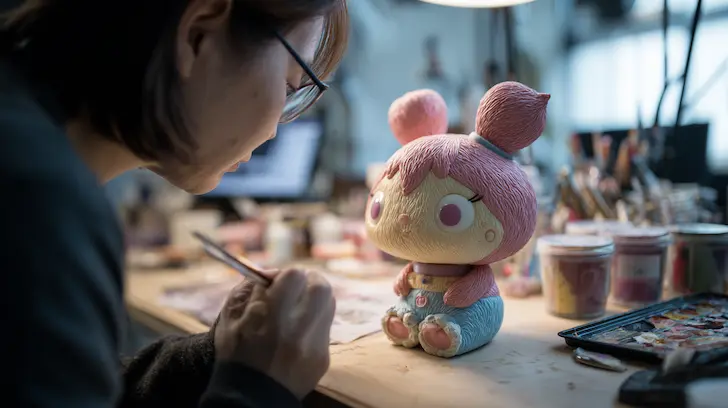
Logistical Insight: The road to the Golden Sample is a journey of technical refinement. By investing in high-quality character product tooling and a rigorous golden sample development process, you protect your brand from the variability of mass production. Standardization is the secret to global franchise success.
Mass Production and Global Compliance:
Bringing Characters to Life at Scale
Entering the mass production phase is the definitive moment where character concepts transform into a global retail reality. Licensed merchandise production at this scale requires a sophisticated orchestration of industrial capacity, artistic craftsmanship, and uncompromising safety protocols. At Unstoyppable, we manage the mass production process for toys by leveraging the world-class infrastructure of our audited factory network China. This stage is not merely about volume; it is about maintaining the "Hero Quality" established in the golden sample across hundreds of thousands of units. By integrating toy safety compliance China standards directly into the assembly line, we ensure that every product is retail-ready licensed products capable of passing the most stringent international inspections. Whether your franchise requires high-intensity injection molded toy manufacturer output or delicate soft goods manufacturing, our 2026 production model provides the ethical scale and logistical precision necessary to meet global demand without sacrificing brand integrity.
The Art of the Assembly Line:
Balancing Automation and Craft
Modern licensed merchandise production in 2026 strikes a perfect balance between robotic precision and the human touch required for authentic character likeness.
Precision Paint Masks and Hand-Finished Details
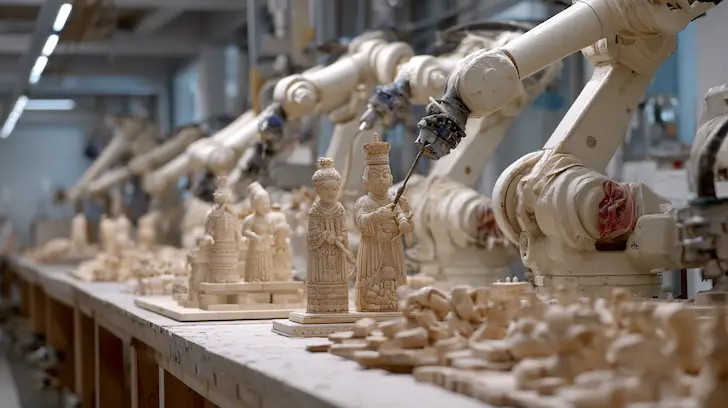
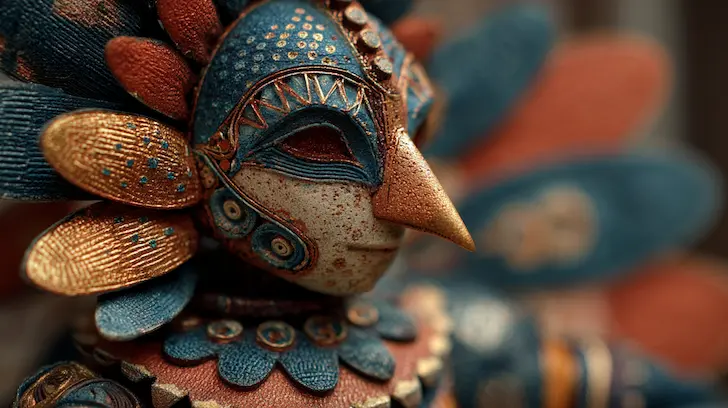
Character figurines often feature complex color palettes that require more than simple machine spraying. We utilize advanced copper paint masks—electroformed stencils that fit perfectly over the 3D form—to ensure sharp, clean lines between different colors. While base layers are applied using automated spray systems for speed and consistency, "fine-feature" work such as facial expressions, weathered textures, and eye highlights are often finished by highly skilled artisans. This hybrid approach ensures that the mass production process for toys delivers a level of detail that satisfies the most dedicated fanbases. By standardizing these manual steps through rigorous training, we guarantee that every unit in a collectible figure manufacturer run is a masterpiece of authentic character manufacturing.
Automated Assembly and Ultrasonic Welding
To ensure structural durability and safety, we employ automated assembly techniques such as ultrasonic welding and robotic screw-driving. These technologies provide a level of consistency that manual assembly cannot match, creating permanent, tamper-proof bonds that are essential for toy safety compliance China. For electronic toy manufacturer lines, automated PCBA (Printed Circuit Board Assembly) placement and testing ensure that every sound chip and LED function is verified before the toy is sealed. This technological foundation allows us to scale licensed merchandise production rapidly while keeping defect rates at near-zero levels.
Real-Time Testing:
EN71, ASTM F963, and CPSIA
Safety testing is a continuous process rather than a final hurdle. We conduct "Inline Testing" where random samples are pulled from the line every four hours to undergo tension, torque, and drop tests. This ensures that the materials and assembly methods remain within the parameters of EN71, ASTM F963, and CPSIA. By working with third-party toy lab testing partners during the production run, we identify and rectify any material variances immediately. This proactive stance on toy quality & safety compliance prevents the logistical nightmare of post-production failures, ensuring your retail-ready licensed products are safe for children and compliant with all global toy distribution logistics requirements.
Chemical Purity and Phthalate-Free Assurance
We maintain a transparent supply chain manufacturing model where every batch of raw plastic resin and paint pigment is pre-tested for chemical purity. We exclusively use phthalate-free toy materials and lead-free coatings. As part of our franchise compliance audits, we provide full traceability for every chemical component used in your licensed merchandise production. This commitment to chemical safety is a hallmark of our ethical toy manufacturing China philosophy, providing brand owners with the documentation needed for smooth customs clearance in the EU, USA, and beyond.
Ready to Scale Your Franchise?
Partner with Unstoyppable for ethical, retail-ready manufacturing that meets 100% of global safety standards.
Explore Compliance Standards | Learn About Retail Fulfillment
Ethical Scale:
FAMA, BSCI, and Global Retail Readiness
For modern media brands, the reputation of the manufacturer is as important as the quality of the product. Our FAMA compliant factory in China network provides the ethical foundation for your brand’s growth.
The Gold Standard:
FAMA & BSCI Oversight
Manufacturing for Disney or other major licensors requires a FAMA (Facility and Merchandise Authorization). This certification, combined with our BSCI & Sedex audited toy factory status, guarantees that your licensed merchandise production is conducted under fair labor conditions, with high environmental standards and complete transparency. During the most intensive phases of mass production, we maintain these ethical toy manufacturing China standards, ensuring that your brand is protected from PR risks and that your secure supply chain for licensed products is beyond reproach.
Retail-Ready Packaging and Barcoding
A character product is not finished until it is in its box. We coordinate the production of complex retail-ready packaging that includes high-fidelity litho-printing, foil stamping, and window-box structural integrity. We ensure that every package features 100% accurate GTIN / EAN barcode labeling and mandatory safety warnings in the local languages of your target markets. This attention to detail ensures that once the global toy distribution logistics are initiated, your products can move directly from the shipping container to the retail shelf without any secondary labeling or re-packaging required.
Licensed Character Manufacturing FAQ
How long does the licensed product manufacturing process take from start to finish?
For a new licensed character product, the timeline from initial 3D design to retail-ready licensed products is typically 16 to 24 weeks. This includes 4-6 weeks for prototyping and approvals, 8-10 weeks for injection mold development for toys, and 4-6 weeks for mass production.
What is the difference between OEM and ODM in character manufacturing?
OEM (Original Equipment Manufacturing) involves us manufacturing a product based entirely on your specific character designs and technical character specs. ODM (Original Design Manufacturing) is where we provide the creative design and engineering concepts based on your IP, which you then approve for production.
How do you handle licensor approvals during the production cycle?
We manage the brand approval process toys by providing digital renders for concept approval, physical "looks-like" prototypes for aesthetic approval, and finally, a Pre-Production Sample (PPS) pulled from the actual mass-production molds for final sign-off before full-scale licensed merchandise production begins.
Can you manufacture multiple product categories (plush and plastic) simultaneously?
Yes. Through our multi-category synchronization strategy, we coordinate production across our plush toy manufacturer China facilities and our pvc figure manufacturer lines. This ensures all items in a franchise collection maintain consistent colors and hit the market at the same time.