AQL Inspection in Toy Manufacturing:
Ensuring Consistency at Scale
In the high-stakes world of global distribution, maintaining the integrity of a licensed character across a production run of 100,000 units requires more than just skilled labor; it demands a mathematical framework for excellence. AQL inspection in toy manufacturing—or Acceptable Quality Level—is the industrial standard used to define the maximum number of defects that could be considered acceptable during a random sampling of a production lot. At Unstoyppable, we utilize the ISO 2859-1 sampling toys protocol to provide our clients with a statistically significant guarantee of quality. By applying these rigorous Acceptable Quality Level toy industry standards, we ensure that every batch leaving our partner facilities in China meets the uncompromising expectations of IP holders, customs officials, and Tier-1 retailers. This analytical approach transforms quality control from a subjective observation into a verifiable, data-driven certainty.
The Science of Sampling:
Why Statistical Precision Trumps 100% Inspection
While the concept of 100% inspection—checking every single unit produced—may sound ideal, it is often impractical and statistically less reliable in high-volume environments. Human fatigue and the sheer speed of mass production quality control China cycles can lead to "inspection blindness," where defects are overlooked due to repetition. This is where the science of AQL becomes the superior choice for modern licensed toy manufacturing.
A Statistically Significant Snapshot
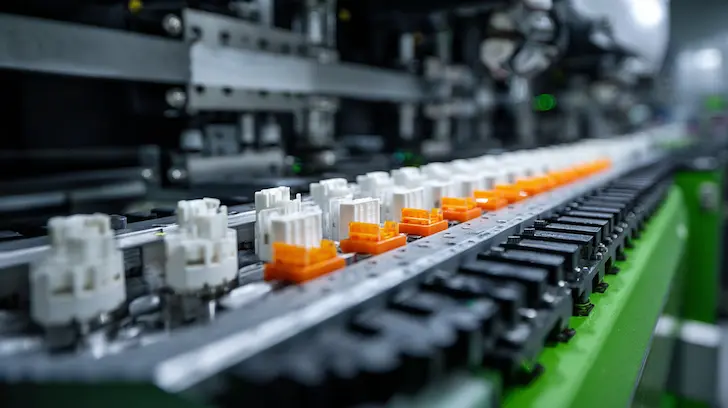
AQL relies on the probability laws established in the ISO 2859-1 sampling toys tables. By selecting a specific number of units based on the total lot size, we can determine the quality of the entire batch with a high confidence interval (typically 95% or higher). This method allows our QC engineers to focus intensely on a representative sample, performing deep-dive checks that would be impossible to execute on every single unit. It is an efficient, authoritative way to monitor mass production quality control China, providing a clear "pass/fail" result that is recognized by global shipping and insurance entities. This ensures that the time invested in quality control is used where it provides the most value: identifying systemic issues rather than chasing isolated anomalies.
Balancing Speed and Security
By using AQL, we provide a balanced workflow that supports fast-to-market strategies without compromising the Acceptable Quality Level toy industry mandates. We pull samples at various stages of production, ensuring that if a defect pattern emerges—such as a shift in printing film alignment or a cooling variance in injection molded toy manufacturer cycles—it is caught and corrected before the entire lot is finalized. This proactive statistical monitoring is the heartbeat of a secure supply chain for licensed products.
Defect Hierarchy:
The Technical Anatomy of Toy QC
Not all defects are created equal. To maintain AQL inspection in toy manufacturing precision, we categorize every non-conformity into a standardized toy manufacturing defect classification system. This hierarchy ensures that safety is prioritized above all else, followed by functionality and aesthetic perfection.

Critical Defects:
The Zero-Tolerance Safety Protocol
A Critical Defect is any condition that could result in hazardous or unsafe conditions for the end-user, or a failure to meet mandatory US toy safety standards or EU regulations. Examples include sharp edges, small parts created from a breakage, or the presence of restricted chemicals. In our toy manufacturing defect classification, the limit for Critical Defects is always zero. If even one critical defect is found in the sample lot, the entire production batch is rejected and subjected to a mandatory 100% sorting and re-work process. This uncompromising stance is what keeps our IP partners protected from the legal and reputational risks of product recalls.
Major Defects:
Protecting Functionality and Brand Value
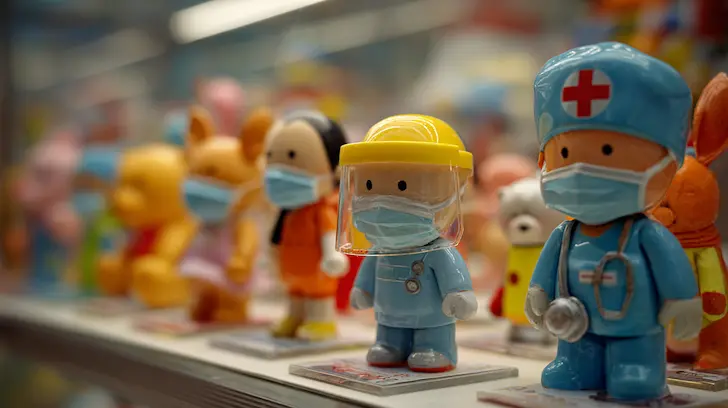
Major Defects are those likely to result in failure or to reduce the usability of the product for its intended purpose. In licensed toy manufacturing, this includes issues like a jammed mechanical joint, a non-functional electronic sound chip, or a significant deviation from the character's style guide (e.g., incorrect eye color). While not necessarily a safety hazard, a major defect is a "brand hazard." Our AQL inspection in toy manufacturing sets a tight threshold for these errors, ensuring that the toy functions perfectly and maintains the high-fidelity likeness required by entertainment franchises.
Minor Defects:
Managing Aesthetic Perfection
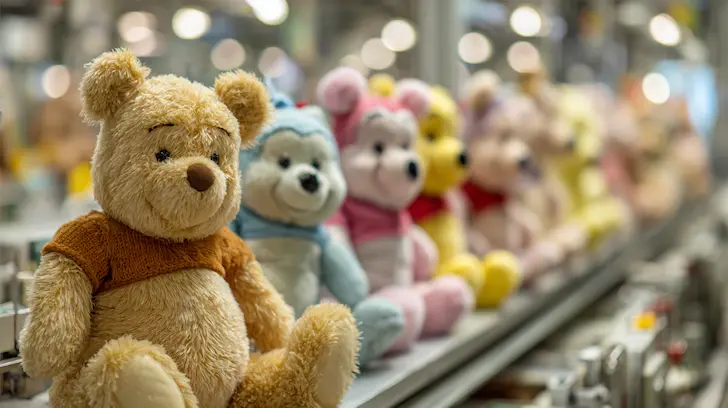
Minor Defects represent a departure from established standards that does not significantly reduce the usability or safety of the product. These typically include small scratches on printing film, minor color bleeding in PVC figure manufacturer paint applications, or loose threads in plush goods. While we strive for perfection, we use AQL to manage these aesthetic variances within an acceptable range, ensuring that the final retail product looks premium on the shelf without creating unnecessary production bottlenecks.
Don't Leave Mass Production to Chance
Securing a global launch requires mathematical certainty. Implement our rigorous AQL protocols and toy manufacturing defect classification systems to protect your 2026 production run today.
Level II Standard Inspection:
The Retail-Ready Default
Within the ISO 2859-1 sampling toys framework, there are different "inspection levels." We predominantly utilize General Inspection Level II, as it is the globally recognized standard for consumer goods destined for major retail shelves.
Customizing Sampling Plans
While Level II is our standard, we remain adaptive. For the initial run of a complex new injection molded toy, we may temporarily move to a "Tightened" inspection plan. Conversely, once a factory has proven consistent excellence over multiple batches, we may discuss a "Reduced" inspection plan with the client. This flexibility, backed by the ISO 2859-1 sampling toys math, ensures that QC is always optimized for the current production reality.
The Unstoyppable Threshold:
Stricter Limits for Premium IP
Standard industry AQL levels are often set at 0/2.5/4.0. At Unstoyppable, we believe that premium licensed characters deserve a higher standard of care. We typically implement the Unstoyppable Threshold of 0 Critical, 1.0 Major, and 2.5 Minor.
Meeting Disney FAMA and Tier-1 Requirements
Major licensors have incredibly high expectations for mass production toy consistency. By setting our "Acceptance" numbers lower than the industry average, we effectively force a higher level of precision on the factory floor. This Acceptable Quality Level toy industry leadership is why we are the preferred partner for brands requiring FAMA compliant manufacturing China. We don't just aim to pass the minimum requirement; we aim to eliminate the possibility of a "borderline" lot reaching your customers.

Data-Driven Continuous Improvement
Every AQL inspection in toy manufacturing result is logged into our ERP production tracking system. We use this data to identify long-term trends. If we notice that a particular molding and injection tooling setup is consistently hitting the upper limit of minor defects, we pause to perform maintenance or re-tooling. This commitment to statistical mastery ensures that quality is built into the process, resulting in a licensed toy manufacturer China partnership that scales with your success.
Professional Insight: Quality is not an accident; it is the result of disciplined sampling and mathematical oversight. By mastering ISO 2859-1 sampling toys and the toy manufacturing defect classification hierarchy, Unstoyppable provides the transparency and reliability required for global retail dominance. Let our statistical expertise secure your brand's integrity.
Material-Specific QC:
Inspecting Molding Precision and Decorative Finishes
Mass production is a symphony of mechanical repetition, but even the most advanced machinery requires the clinical oversight of human expertise to maintain mass production toy consistency. In this stage of the AQL inspection in toy manufacturing, our focus shifts from the mathematical tables to the physical reality of the factory floor. We perform deep-dive injection molded toy inspection protocols that scrutinize the interaction between high-pressure tooling and raw polymer behavior. By identifying defects at the component level—before they are buried within a completed assembly—we ensure that every character figure or electronic device maintains the premium tactile and visual standards demanded by high-profile IP holders. This granular level of toy assembly quality control is what allows Unstoyppable to deliver flawless results across production runs of any scale.
Injection Molding Defects:
The Clinical Evaluation of Resin Behavior
The core of most licensed products is the injection-molded shell. During injection molded toy inspection, our QC specialists look for specific physical markers that indicate the health of the mold and the stability of the production environment.
Identifying Flash, Sink Marks, and Short Shots
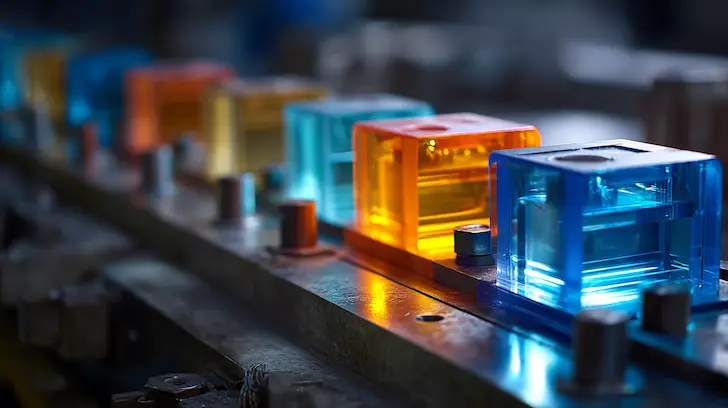
When high-impact resins like ABS or PC are injected into a tool, thermal variances can create localized defects. Inspectors check for "Flash"—excess plastic seeping from the mold seams—which indicates a need for tool clamping adjustments. Conversely, they monitor for "Short Shots," where the resin fails to fill the cavity entirely, resulting in incomplete parts. "Sink Marks," or subtle depressions in thick-walled areas, are also classified under our Acceptable Quality Level toy industry standards as major or minor defects depending on their visibility. By maintaining a strict injection molded toy inspection routine, we ensure that the structural integrity of the part is maintained, preventing sharp edges or weak points that could compromise safety.
The Impact of Tool Temperature on AQL Pass Rates
Consistency in mass production toy consistency is heavily reliant on the thermal management of the mold. Our inspectors verify that the factory’s cooling systems are maintaining the specified delta, as even a 5°C variance can alter the shrinkage rate of the plastic, leading to parts that do not fit together during toy assembly quality control. We prioritize factories that utilize automated temperature controllers, as this stability significantly increases the AQL pass rate and ensures that every batch is a carbon copy of the approved golden sample.

Printing Film Registration:
Safeguarding Character Likeness
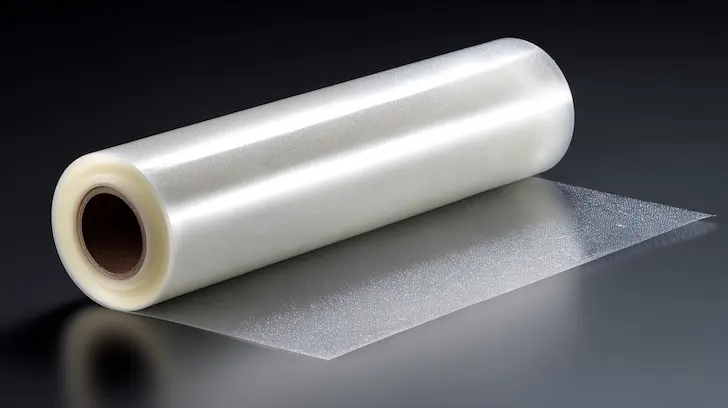
For licensed merchandise, the character’s face is the most valuable asset. We implement specialized printing film defect detection protocols to ensure that every logo, eye, and emblem is rendered with surgical precision.
Detecting Registration and Alignment Errors
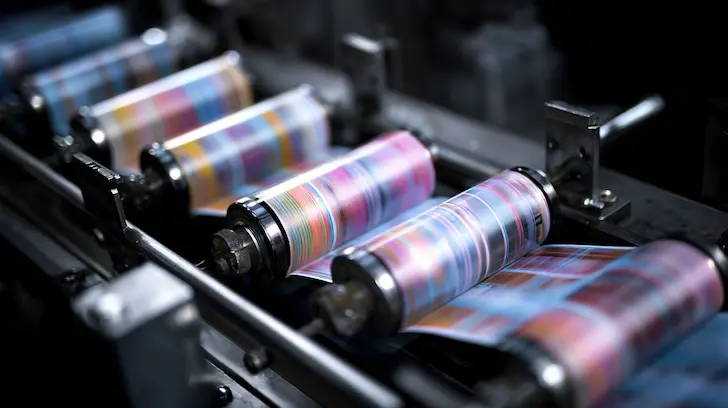
When applying printing film for mass production, even a fraction of a millimeter in misalignment—known as a registration error—can distort a character's expression. Our AQL inspectors utilize high-magnification loops to check the positioning of the graphics against the master style guide. We look for "Bleeding" (ink spreading outside intended borders) and "Ghosting" (double-image effects). Effective printing film defect detection ensures that the high-definition graphics remain centered and vibrant. This level of scrutiny is essential for character product manufacturing, where the fan base expects an identical likeness to the on-screen source material.
Surface Adhesion and Film Stability
Beyond visual alignment, we test the physical bond of the film. Inspectors perform the "Tape Test" and "Scratch Test" on sampled units to verify printing film for toy materials adhesion. This ensures the graphics do not peel or flake during transit or play. This intersection of aesthetic and durability testing is a cornerstone of our toy quality assurance protocols, guaranteeing a finish that is both beautiful and permanent.
High-Precision IP Deserves High-Precision Inspection
A character's likeness is built on microns. See how our material-level AQL checks and printing film defect detection protect your brand’s most valuable assets.
Material Integrity:
Consistency from Unit 1 to Unit 10,000
AQL inspection is the primary tool used to verify that the raw materials used at the end of a production run are identical to those used at the beginning. We focus heavily on the sensory and chemical stability of the resins.
Color Variance and Delta-E Monitoring
Using spectrophotometers, our inspectors check the color of phthalate-free toy materials against the approved Pantone or RAL standards. We allow for a very narrow "Delta-E" variance to ensure that the color remains uniform across the entire shipment. This prevents "lot variance," where products on a retail shelf might look slightly different in shade. By utilizing virgin resins, we maintain a purity that ensures mass production toy consistency and prevents the yellowing or brittleness often associated with lower-grade materials.
The Tactile Feel of Phthalate-Free Toy Materials
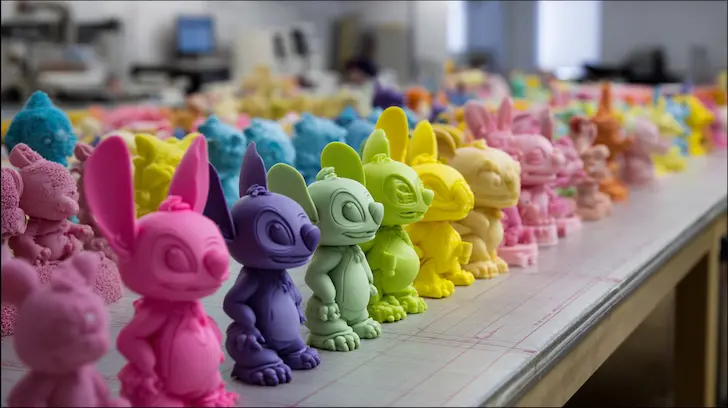
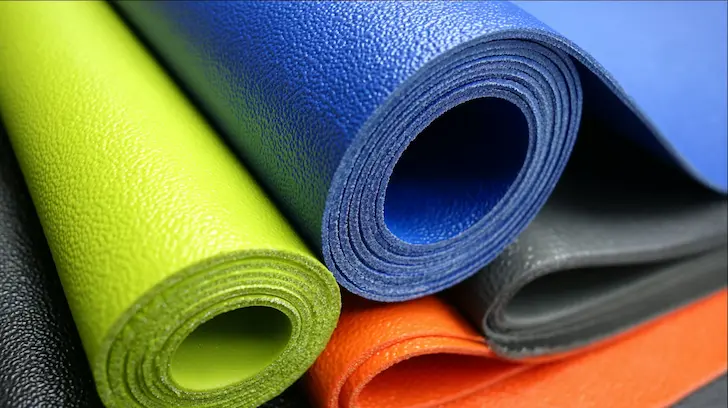
For toys that require a specific "soft-touch" feel, such as PVC figures or TPE grips, we inspect the durometer (hardness) and the surface texture. Our PVC figure paint quality checks ensure that the finish is smooth and free of "tackiness." We verify that the non-toxic toy materials retain their specified flexibility, ensuring the play experience is exactly as the designers intended. This tactile consistency is a silent but powerful indicator of a premium product.
Functional AQL Checks for Electronic Toy Manufacturing
For products with internal electronics, the AQL inspection must go beyond the surface. We implement "In-Process" functional checks that evaluate the "brain" and "voice" of the toy.
Battery Contact Tension and Sound Chip Clarity
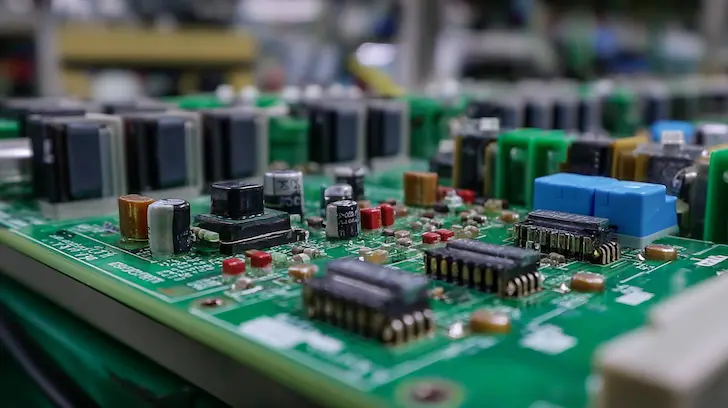
During toy assembly quality control for electronic items, inspectors verify the tension of battery contacts to prevent power interruptions. They also perform acoustic checks to ensure the sound chip clarity is consistent across the batch. Any "crackling" or distortion is flagged as a major defect. We also test the responsiveness of tactile buttons and sensors. This rigorous electronic toy manufacturer QC ensures that the interactive elements of your licensed product work perfectly every time the consumer pulls the "Try-Me" tab.
Circuitry and Solder Integrity
For more complex items, we perform destructive AQL sampling where a unit is opened to inspect the soldering quality and wire routing. We ensure that mass production toy consistency extends to the internal components, preventing short circuits or loose wires that could lead to field failures. This comprehensive toy assembly quality control provides a level of reliability that protects the brand from the high costs of electronic-related returns.
Industrial Precision: At Unstoyppable, we view AQL inspection in toy manufacturing as a high-definition lens that reveals the true quality of production. From the thermal stability of the injection molded toy manufacturer process to the registration of printing film for toy materials, we ensure that every detail is validated. Partner with us to bring clinical precision to your character's mass production.
Pre-Shipment Validation:
The Final Gateway to the Global Market
The journey from a raw resin pellet to a store shelf culminates in the most critical phase of the quality cycle: the Pre-Shipment Inspection (PSI). As a cornerstone of retail-ready quality assurance, this final check ensures that the mass-produced goods perfectly align with the approved character style guides and international safety mandates. At Unstoyppable, we treat pre-shipment inspection toys China as the ultimate "Green Light" protocol. Only when a batch passes its statistical AQL threshold is it authorized for container loading. This logistical finality provides our clients with the empirical evidence needed to satisfy the compliance departments of major retailers like Walmart, Target, and Amazon. By formalizing licensed product shipping validation, we eliminate the risks of overseas returns and ensure that your brand enters the market with a flawless reputation for excellence.
The PSI Workflow:
Verifying the Total Product Package
A pre-shipment inspection toys China is performed when at least 80% of the order is completed and packed. This timing is essential because it allows our inspectors to evaluate not just the toy, but the entire retail-ready packaging manufacturer execution, which is vital for consumer safety and branding.
The Systematic "Pulling of Samples"
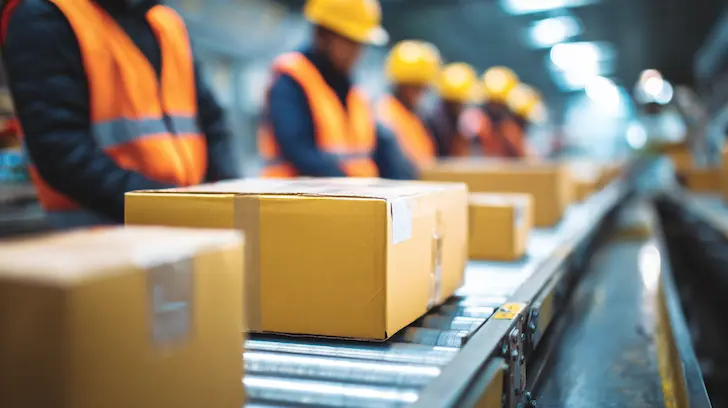
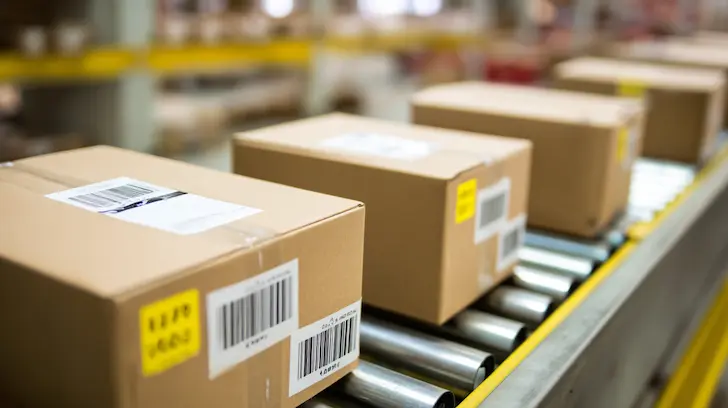
Our inspectors utilize random sampling techniques to pull units from various layers of the master cartons. This prevents "cherry-picking" and provides an authentic look at the production quality. During this retail-ready quality assurance phase, we verify that the individual boxes feature the correct GTIN/EAN barcodes, mandatory age-grading icons, and localized warning languages. We also perform "Carton Drop Tests" to ensure the shipping containers protect the high-fidelity printing film and delicate injection molded toy components during the rigors of ocean freight. This comprehensive approach guarantees that the product arriving at your warehouse is exactly what you approved in the golden sample phase.
Verification of Packaging Standards
In the world of licensed toy manufacturing, the packaging is an extension of the character. We check the structural integrity of blister packs, the clarity of window boxes, and the security of "Try-Me" openings. By verifying retail-ready packaging manufacturer standards at the source, we prevent retail chargebacks caused by damaged or poorly labeled stock. This attention to detail ensures your product is ready for immediate display upon arrival at its destination.
Engineering for Recall Prevention
Every toy we manufacture features a discreet, permanent batch code. During the licensed product shipping validation, we record these codes in the inspection report. This toy batch traceability is a vital requirement for CPSIA and EN71 compliance, allowing for targeted action in the unlikely event of a quality issue. By maintaining these records, we provide IP holders with the highest level of liability protection, ensuring that every unit is accounted for throughout its lifecycle in the hands of the consumer.
The Inspection Report:
Data-Driven Decision Making
The output of our pre-shipment inspection toys China is a comprehensive technical dossier. This AQL inspection report for retailers serves as the official record of the batch's quality and is often the primary document requested by retail buyers.
High-Resolution Evidence and Physical Data
Our reports include high-resolution photography of any defects found, alongside detailed measurements of master carton weights and dimensions. We provide a clear breakdown of the toy manufacturing defect classification (Critical, Major, Minor) found during the sampling. This transparency allows our clients to see the "reality" of their production in real-time. Whether it is a check on PVC figure paint quality or the function of an electronic toy manufacturer circuit, the data is presented clearly to facilitate a "Pass" or "Fail" decision based on the agreed AQL tables.
Secure Your Supply Chain with Verifiable Data
Don't leave your retail reputation to chance. Get a comprehensive AQL inspection plan and retail-ready quality assurance for your next toy production run today.
Corrective Action Plans (CAP):
Resolving Non-Conformities
When a lot fails to meet the Acceptable Quality Level toy industry threshold, our logistical mastery truly shines. We implement a swift Corrective Action Plan (CAP) to rectify the issue without compromising the shipping schedule.
The "Full Sort" and Re-Work Process
A failed AQL result triggers a mandatory "Full Sort." The factory is required to inspect 100% of the batch to remove the specific defect found during sampling. For example, if printing film registration errors exceeded the limit, every unit is checked. Defective units are either repaired or replaced with new, compliant stock. Once the sorting is complete, a second pre-shipment inspection toys China is performed to ensure the CAP was successful. This rigorous approach ensures that only 100% compliant stock ever reaches the shipping container, maintaining your brand's licensed product shipping validation integrity.
AQL & PSI Inspection FAQ
What AQL level is standard for licensed toys?
For high-profile licensed toys, the standard is usually AQL 0 for Critical Defects, 1.0 or 1.5 for Major Defects, and 2.5 or 4.0 for Minor Defects. At Unstoyppable, we recommend a stricter 1.0 Major / 2.5 Minor threshold to satisfy the quality demands of brands like Disney and Universal.
What is the difference between DUPRO and PSI inspection?
DUPRO (During Production) inspection occurs when about 20% of the order is finished to catch early mistakes. PSI (Pre-Shipment Inspection) happens at 80-100% completion and includes a final check of the retail-ready packaging and carton marking, acting as the final "Green Light" before export.
Does Unstoyppable provide independent 3rd-party AQL reports?
Yes. We can coordinate with independent agencies like V-Trust, QIMA, or SGS to perform the AQL audit, or utilize our own internal, Disney-audited QC team. We provide the full AQL inspection report for retailers in a digital format for your records.
How do AQL inspections prevent retail chargebacks?
By verifying retail-ready quality assurance at the factory, we ensure that barcodes scan correctly, carton weights are accurate, and packaging is undamaged. This prevents retailers from fining you for logistical non-compliance, which is a major hidden cost in mass production toy distribution.