The Authorization Trap:
Why General Factories Cannot Legally Produce Licensed Goods
In the high-stakes world of global intellectual property, the line between a successful retail launch and a catastrophic legal shutdown is often drawn by a single document: the authorization to manufacture. Many brand owners discover too late that a "capable" factory is a liability if it lacks the specific credentials required by major licensors. The landscape of licensed merchandise production failures is littered with stories of shipments seized and contracts terminated because a generalist factory underestimated the "invisible walls" of the licensing world. In 2026, the complexity of unauthorized toy production risks has escalated, as licensors like Disney, NBCUniversal, and Warner Bros. have implemented real-time digital tracking of their authorized supply chains. At Unstoyppable, we recognize that in the entertainment industry, ignorance of the law is a pathway to total project failure. Compliance is the only foundation upon which a profitable, long-term franchise can be built.
The "Ghost Factory" Phenomenon:
A Systemic Failure of Transparency
One of the most pervasive reasons for licensed merchandise production failures is the lack of direct oversight in the manufacturing process. Many generalist factories in China, when faced with high volume or tight deadlines, engage in unauthorized sub-contracting—a practice known as "Ghost Manufacturing."

The Hidden Dangers of Sub-Contracting
When a primary factory moves production to a secondary workshop to save on costs or meet a deadline, the chain of custody for the intellectual property is broken. These sub-contracted "Ghost Factories" are almost never a Disney FAMA authorized factory and rarely meet the basic safety or labor standards required for ethical toy manufacturing China. The moment a licensor discovers that production is occurring at an unauthorized site, the primary factory’s FAMA status is subject to immediate revocation. For the brand owner, this results in an immediate halt to all production and the potential blacklisting of the brand. We prevent this through transparent supply chain manufacturing, where every production line is verified and monitored to ensure that your IP stays within the authorized "Vault."
The Impact on FAMA Revocation
A FAMA (Facility and Merchandise Authorization) is tied to a specific physical address. If a Disney audit team arrives at the authorized address and finds the machines idle while the product is being made elsewhere, the breach is considered incurable. This failure of transparency is a leading cause of ILS audit failures China. At Unstoyppable, we maintain a strictly non-negotiable policy regarding authorized production sites, ensuring that your goods are only ever produced where they are legally permitted to exist.
The Documentation Deficit:
Why Precision Paperwork is Mandatory
Generalist factories often excel at making generic products, but they frequently collapse under the weight of the documentation required for a Disney FAMA authorized factory. The "Documentation Deficit" is a silent killer of licensed brands.
Maintaining the ILS Audit Trail
International Labor Standards (ILS) audits are not one-time events; they are ongoing commitments to record-keeping. General factories often fail to maintain the granular data required—such as verified time-sheets, chemical safety data sheets (MSDS) for toy paints, and proof of age for every employee. During a surprise audit from a licensor like Marvel or Netflix, the inability to produce these documents within minutes results in a failing grade. These ILS audit failures China trigger a "Corrective Action Plan" (CAP) that can freeze your supply chain for months. Choosing a specialized partner ensures that the paperwork is as precise as the product engineering.
Material Traceability and Safety Logs
In 2026, the "Right to Know" extends to every raw material used in a toy. Generalist factories often buy materials from the spot market, losing the traceability required for EN71 compliant toy manufacturer status. A specialized manufacturer maintains a digital log of every batch of plastic resin and paint pigment used. This documentation is essential not just for the licensor, but for satisfying the compliance departments of global retailers like Target or Amazon. Without this trail, you are essentially flying blind, exposing your brand to massive unauthorized toy production risks.
Is Your Supply Chain Legal?
Don't let an unauthorized factory kill your licensing deal. One unverified sub-contractor can result in a permanent ban from major licensors.
Verify Your FAMA Authorization | Learn About Supply Chain Transparency
Customs Interdiction:
The Final Wall for Unauthorized Goods
Even if an unauthorized production run is completed and leaves the factory, it faces its most dangerous hurdle at the border. Customs agencies globally have become the front-line defenders of intellectual property.

The Legal Consequences of Seizure
The seizure of goods for unauthorized toy production risks is not just a financial loss; it is a legal liability. Licensors often include clauses in their contracts that allow for immediate termination and the pursuit of liquidated damages if a licensee is caught using an unauthorized factory. In many jurisdictions, the brand owner can also face fines for importing goods that violate IP laws. By partnering with Unstoyppable, you ensure that every manifest is backed by a valid, verified FAMA ID, allowing your goods to move through global ports with "Green Lane" efficiency.
Social Compliance Negligence:
The Ethics of the Supply Chain
The drive for the "lowest possible cost" often leads factories to cut corners on social compliance, a decision that eventually leads to licensed merchandise production failures.
The Link Between Low-Cost and High-Risk
Factories that offer prices significantly below the market average often achieve those prices through non-compliance—excessive overtime, unsafe working conditions, or environmental neglect. In the 2026 manufacturing environment, these practices are easily detected by modern audit protocols like the BSCI & Sedex Audited Toy Factory standards. A single "Zero Tolerance" finding during an audit—such as blocked fire exits or child labor—leads to an immediate and permanent ban of that factory from the licensor’s network. This ethical negligence is a primary cause of ILS audit failures China, leaving the brand owner with a shattered supply chain and a damaged reputation.
Building a Resilient, Ethical Supply Chain
Choosing an ethical partner is a strategic business decision. An ethical toy manufacturing China partner ensures that your production is resilient against the sudden shutdowns that plague non-compliant factories. When a factory invests in its workers and its environment, it also invests in the quality and reliability of your product. We believe that social compliance is the ultimate foundation for business continuity. By maintaining the highest ethical standards, we ensure that your brand is protected from the "invisible walls" of the law, allowing you to focus on growing your franchise with confidence.
Compliance Insight: In the world of global licensing, the most expensive factory is the one that is not authorized. The FAMA ID is your key to the global market. Ensure your partner holds it before you sign the contract.
Character Devaluation:
Why Standard Factories Fail the Creative Approval Process
The manufacturing of a licensed character is a high-fidelity translation of a creative vision into a tangible asset. In the world of premium entertainment, a character’s "Visual DNA" is its most valuable attribute. However, off-model toy manufacturing remains one of the most frequent causes of project collapse for brands using generalist factories. When a manufacturer fails to grasp the nuance of a 3D silhouette or the specific "attitude" of a protagonist, the result is a product that feels disconnected from its source material. For major studios, character integrity is absolute; there is zero tolerance for style guide deviations. Generalist factories often view a character as just another plastic part, but at Unstoyppable, we recognize that every millimeter of a sculpt carries the weight of the brand's reputation. Failing the creative approval process is not just a delay—it is a devaluation of the entire franchise.
The "Creative Rejection" Loop:
The Cost of Inexperience
Many brands fall into a devastating cycle of endless prototype revisions because their factory lacks specialized character engineering for toys. This "Creative Rejection" loop can consume months of a production timeline, often leading to missed seasonal windows.
Engineering the Intangible
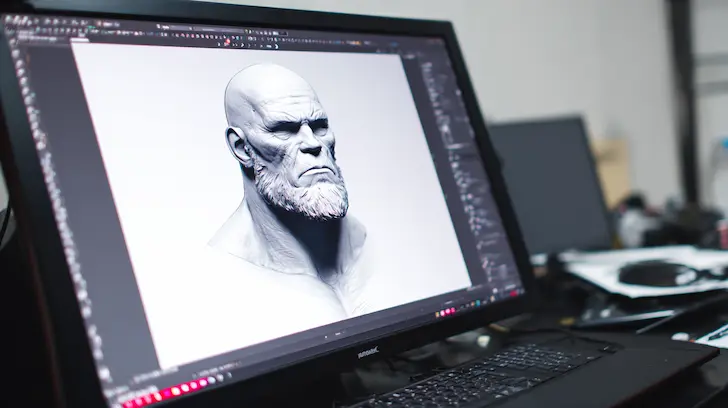
A generalist factory typically employs industrial designers who are proficient in functional components but lack the artistic training required for character anatomy and expression. When these designers interpret a style guide, they often produce prototypes that look "slightly off"—eyes that are positioned three millimeters too wide, or a smirk that lacks the character’s signature charm. These technical toy engineering mistakes are immediately flagged by licensor creative directors. Without the ability to "see" the character’s soul in the blueprint, the factory is forced into a trial-and-error process. We eliminate this by utilizing engineers who are also artists, ensuring that the very first 3D render respects the character's proportions and "on-model" requirements.
The Cumulative Delay of Revisions
Every rejection by the licensor requires a new round of 3D modeling, 3D printing, hand-painting, and international shipping. In an industry where speed-to-market is everything, three or four rounds of rejection can push a launch date back by a full quarter. Specialized licensed toy quality control means getting the sculpt right in the first or second iteration. By understanding the "unwritten rules" of a style guide, we bypass the rejection loop, moving your project directly from concept to approval with surgical precision.
Style Guide Misalignment:
When Official Products Look Like Counterfeits
A style guide is a complex technical manual, not just a collection of pretty pictures. Character integrity failures occur when a factory treats the style guide as a suggestion rather than a strict law.
The Pantone and Texture Disconnect
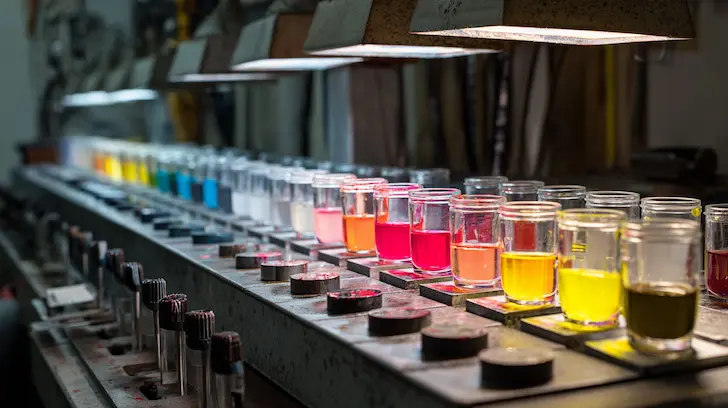
Licensors provide specific Pantone references and material call-outs to ensure global consistency. Generalist factories often attempt to match these colors using "stock" pigments or inferior resins that do not react to light in the same way the character does on screen. This results in style guide deviations where the hero’s signature red armor looks orange, or a matte cape appears shiny and "cheap." When an official product looks like a knock-off, it erodes consumer trust and can lead to a licensor pulling the manufacturing rights entirely. Precision toy material engineering is required to ensure that the physical product matches the digital expectation in every lighting condition.
Interpreting 3D Volumes from 2D Assets
Style guides often provide 2D "turnarounds" of a character. A major point of character integrity failures is the factory’s inability to correctly interpret the volume and weight of these characters in a 3D space. This leads to figures that are top-heavy, poses that lack dynamic tension, or "flat" faces that lose detail under a coat of paint. Specialized character product manufacturing requires a deep understanding of how to translate a 2D line-art vision into a 3D sculpture that maintains its heroic scale from every viewing angle.
Character Integrity is Non-Negotiable
Don't let "off-model" production ruin your brand. See how we bridge the gap between concept art and retail-ready perfection with advanced toy tooling R&D.
Material Incompatibility:
The Invisible Technical Failure
The choice of plastic resin is not just a cost decision; it is a structural and aesthetic one. Technical toy engineering mistakes often stem from using standard commodity plastics for high-detail licensed goods.
The Limits of Standard Plastics
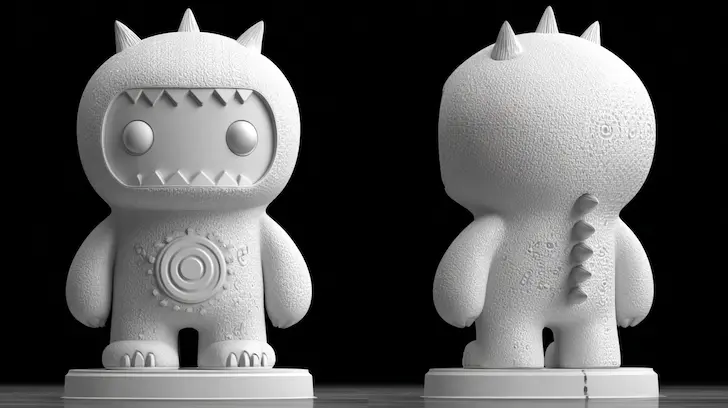
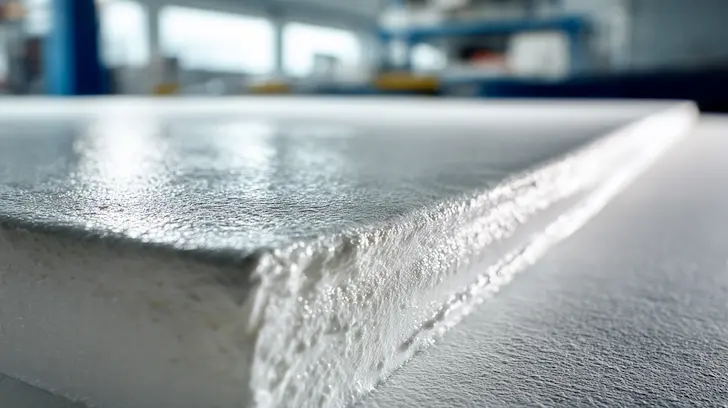
Generalist factories often default to basic ABS or PP because they are easy to mold. However, these materials may not have the "flow" characteristics required to fill the intricate details of a character’s hair, weaponry, or facial features. This leads to "soft" details that look melted or blurred. For a collectible figure manufacturer, this is unacceptable. High-fidelity production requires specialized PVC blends or high-impact resins that can capture sub-millimeter detail while maintaining the durability required for safety testing. Choosing a partner who understands the molecular science of polymers is essential to avoiding off-model toy manufacturing.
Paint Adhesion and Safety Hazards
Material incompatibility also affects the finishing stage. If a factory uses a low-grade plastic, the specialized paints required for character shading may not adhere properly, leading to "paint flaking" after only a few weeks on the shelf. More dangerously, these "stock" materials may contain prohibited phthalates or heavy metals, leading to AQL inspection in toy manufacturing failures. At Unstoyppable, we prioritize phthalate-free toy materials that are chemically matched to our paint systems, ensuring both aesthetic beauty and global safety compliance.
The Golden Sample Disconnect:
The Mass Production Mirage
There is a massive difference between hand-making a single, perfect sample and producing 50,000 identical units through automated machinery. This is the "Golden Sample Disconnect."
The Failure of Manual Prototyping
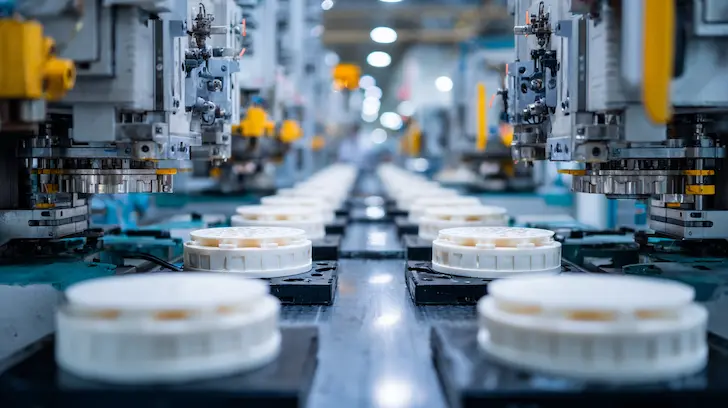
Inexperienced factories often use highly skilled artists to manually carve and paint a "Golden Sample" to get the client’s approval. However, they lack the advanced toy tooling R&D to translate those hand-crafted details into a steel injection mold. When mass production begins, the details are lost, the paint lines become messy, and the product looks significantly worse than the approved sample. This results in retail rejections and high return rates. A professional licensed toy manufacturer in China ensures that the prototype is "Production-Ready" from day one, using the same technical specs that will be used on the factory floor.
Precision Tooling as the Character’s DNA
The steel mold is the final, physical manifestation of your IP. If the mold-making process is rushed or uses low-quality steel, the character’s features will degrade with every thousand units produced. We invest in high-grade S136 stainless steel for our molds, ensuring that the 100,000th unit is as sharp and "on-model" as the first. By focusing on technical toy engineering mistakes before they reach the tool-shop, we protect the long-term integrity of your character across the entire product lifecycle.
Technical Expert Insight: A character’s silhouette is its identity. If your manufacturer doesn't understand the difference between an "approximation" and an "exact match," your brand is at risk. Precision engineering is the only way to protect your Visual DNA.
Operational Rigidity:
Why Standard Lead Times Kill Movie Launches
In the entertainment industry, the "Street Date" is a sacred milestone. Unlike generic consumer goods where a two-week delay is a minor inconvenience, movie merchandise delivery failures can result in the total loss of a marketing window worth millions. When a blockbuster premieres, the demand is instantaneous; if the shelves are empty because of toy supply chain bottlenecks, that revenue is gone forever. Standard factories often operate on flexible lead times that do not account for the immovable nature of a global film release. At Unstoyppable, we replace operational rigidity with logistical mastery. We understand that a movie launch is a high-speed mission where every hour counts. By identifying and neutralizing licensed product distribution risks before they manifest, we ensure that your brand is "Unstoyppable" on opening night. Reliability is not just a goal; it is a requirement for survival in the licensed retail space.
The "Hard Deadline" Crisis:
The Fallacy of Factory Estimates
The most common cause of movie merchandise delivery failures is the reliance on "Estimated Lead Times" provided by non-specialized factories. In the world of licensing, an estimate is a liability; only a guaranteed timeline ensures success.
The Immovable Premiere Date
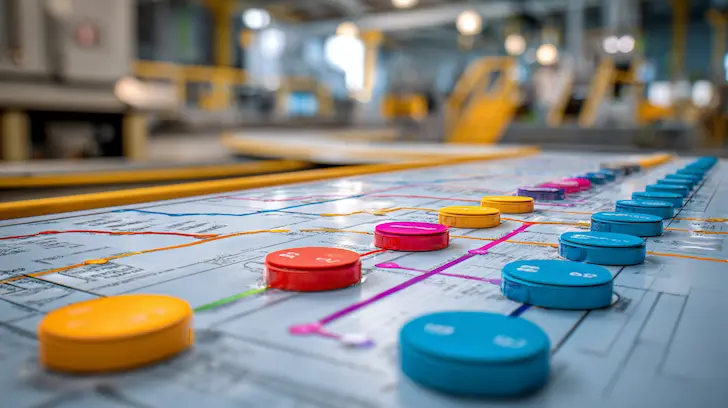
A film’s theatrical release is supported by a massive orchestration of media buys, celebrity tours, and promotional partnerships. If a factory experiences a "minor delay" in the painting phase, it creates a domino effect that results in missed port dates. Generalist factories often fail to realize that a toy arriving 10 days after the movie premiere is essentially obsolete for the "Wave 1" sales surge. We utilize movie merchandise manufacturing preparation protocols that build "buffer zones" into the production schedule. Our ERP production tracking system provides daily milestones, ensuring that if a bottleneck is detected, we can pivot resources immediately to protect the hard deadline. We treat your launch date as a fixed point in time, building the entire supply chain backward from that moment.
The Peak-Season Capacity Trap
Many movie launches coincide with peak manufacturing seasons (such as the run-up to the holidays). Standard factories often over-promise their capacity, leading to toy supply chain bottlenecks when they prioritize higher-volume, non-licensed clients. Because Unstoyppable manages a dedicated audited factory network in China, we secure "Reserved Line Space" for our licensed partners. This ensures that your movie project is never pushed aside for a generic order. Having a dedicated partner means having a guaranteed seat at the table during the busiest months of the year.
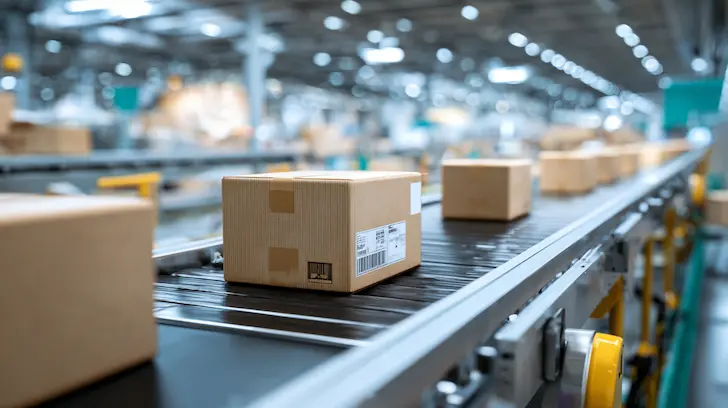
GTIN and EAN Barcode Integrity
Retail giants like Walmart, Target, and Amazon use automated sorting systems that rely on 100% accurate GTIN / EAN barcode labeling. A standard factory might treat a barcode as a simple graphic, but if the scan-ratio is low or the data encoded is incorrect, the retailer will reject the entire shipment. These rejections lead to massive "Charge-backs" and can permanently damage your relationship with the buyer. At Unstoyppable, we implement a multi-stage scan-verification process. Every carton and retail unit is scanned at the end of the assembly line to ensure data integrity, eliminating the risk of retail-ready packaging errors before the goods ever leave China.
Compliance with Style Guide Branding
Packaging for licensed goods must follow the same strict "Visual DNA" as the toys themselves. Failure to match the specific metallic foils, UV spot-coatings, or typography of the movie's brand guide will lead to licensor rejection at the 11th hour. We provide retail-ready licensed product production that treats the box as an extension of the IP. By centralizing the printing and assembly under one quality-control umbrella, we ensure that the packaging is as premium as the character inside, satisfying both the licensor’s creative team and the retailer’s technical requirements.
Is Your Current Manufacturer a Liability?
A single logistical error can result in a total retail rejection. Switch to a partner that understands the high stakes of global distribution for licensed products.
Hidden Landed Cost Spikes:
The Profitability Killer
When a project falls behind schedule, the only way to save the street date is often through emergency air freight. This leads to landed cost inflation that can turn a profitable license into a financial loss.
The Air-Freight Emergency
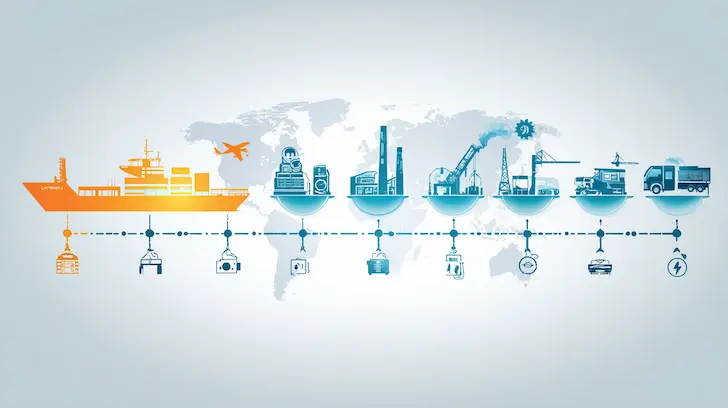
Standard factories that fail to manage their timelines often force clients into the "Air Freight Trap." Moving 50,000 units by air instead of sea can cost five to ten times more, instantly erasing the project's profit margin. This is a direct result of poor licensed product supply chain management. We prioritize landed cost optimization for toys by hitting every sea-freight milestone. By ensuring that goods are "Retail-Ready" and packed on schedule, we protect your ability to use cost-effective ocean shipping, keeping your margins healthy and your retail price competitive.
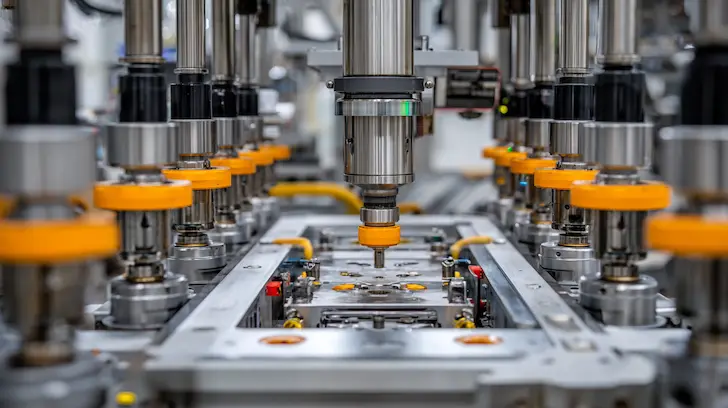
Inability to Scale for Viral Demand
The ultimate operational failure is the inability to capitalize on success. If a movie character goes viral, you need a factory that can handle a "Wave 2" re-order in weeks, not months. Generalist factories lack the scalable toy production infrastructure—such as pre-stocked raw materials and duplicate molds—to respond to a viral hit. This results in "Out of Stock" notices during the period of highest consumer interest. Our toy manufacturing logistics include a "Rapid Replenishment" strategy, ensuring that if your brand takes off, your supply chain can keep up with the speed of fame.
Licensed Production Failures FAQ
What is the most common reason a licensed production run is halted?
The most common reason is unauthorized toy production risks, specifically when a factory sub-contracts work to a site that is not a Disney FAMA authorized factory. When a licensor discovers unauthorized production, they will immediately stop the run and may revoke the brand's manufacturing rights.
How do 'Ghost Factories' impact my licensing agreement?
'Ghost Factories' are uncertified workshops used by primary factories to increase output secretly. If your products are found in such a facility, it constitutes a major breach of your ILS audit compliance. This can lead to the termination of your license and the seizure of all existing inventory at customs.
Why did my shipment get seized by customs even though I have a license?
Customs seizures often happen because of a mismatch in the factory's FAMA ID on the shipping manifest. If the manufacturer is not listed as an authorized licensed merchandise manufacturer in the licensor’s global database, customs will flag the shipment as counterfeit and seize the goods for destruction.
How does Unstoyppable prevent 'Style Guide Drift'?
We prevent style guide deviations by using a centralized character engineering for toys team. Every prototype is cross-referenced with the digital character bible using 3D overlay software and Pantone-verified lighting boxes. This ensures that mass production never drifts from the original approved creative vision.