GTIN / EAN Barcode Labeling:
The Digital DNA of Licensed Toy Manufacturing
In the globalized retail landscape of 2026, a toy without a valid, scannable identity is invisible to the supply chain. GTIN / EAN barcode labeling is the foundational digital DNA that allows a licensed product to transition from a manufacturing facility in China to a retail shelf in New York, London, or Tokyo. At Unstoyppable, we treat the barcode as a primary engineering component rather than a graphic afterthought. This strategic approach to retail-ready barcode systems ensures that every SKU we produce is fully compliant with the rigorous standards of big-box retailers and global e-commerce platforms. By establishing a robust identification architecture at the very beginning of the production cycle, we eliminate the risk of logistical bottlenecks, inventory errors, and the dreaded retail chargebacks that can erode profit margins for license holders.
The GS1 Foundation:
Maintaining Retail "White List" Status
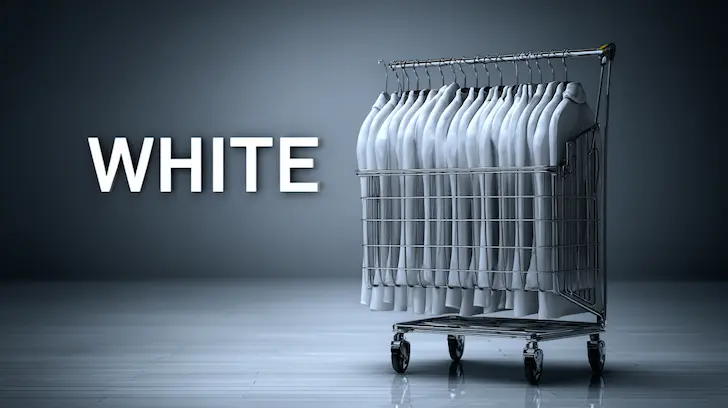
The backbone of global commerce is the GS1 system. For any brand owner operating in the licensed space, utilizing authentic, GS1-issued Global Trade Item Numbers (GTINs) is a mandatory requirement for doing business with major players like Amazon, Walmart, and Target.
Authenticity and Global Searchability
In 2026, retailers utilize automated "White List" verification to ensure that products entering their ecosystem are legitimate. By implementing GS1 toy standards during our manufacturing process, Unstoyppable ensures that your licensed product SKU management is built on a foundation of verifiable data. An authentic GTIN links your product to your brand in the GS1 Global Registry, providing a level of transparency that protects against counterfeiters and unauthorized distributors. This digital verification is essential for maintaining the integrity of high-value intellectual property and ensures that your brand remains in good standing with international retail algorithms.
Universal Identification Across the Supply Chain
A GTIN is more than just a number; it is a universal language. From the moment the injection molded toy manufacturer completes a production run, the GTIN allows every logistics provider, customs official, and warehouse robot to identify the product instantly. This universality is a core component of our supply chain management for toys, facilitating a seamless flow of information that matches the physical flow of goods. By adhering to these global standards, we ensure your products are prepared for immediate intake at any distribution center worldwide.
SKU Proliferation Management:
Navigating Complex Character Lines
Licensed brands often feature extensive character lineups, "chase" variants, and seasonal iterations. Managing this complexity requires a sophisticated approach to licensed product SKU management.

Precision Identification for Every Variant
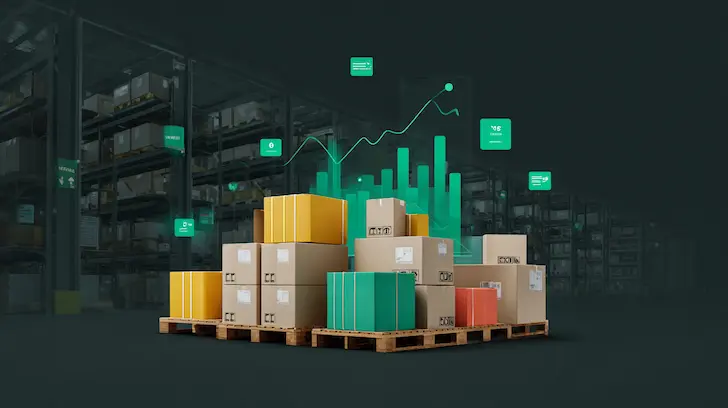
It is vital that every unique character variant is assigned its own distinct GTIN / EAN barcode labeling. At Unstoyppable, we specialize in managing large-scale character product manufacturing projects where precision is paramount. We implement automated verification systems to ensure that the barcode for "Character A" never ends up on the packaging for "Character B." This level of detail is critical for retailers who rely on accurate point-of-sale data to trigger automatic reordering. Our systems are designed to handle massive SKU counts while maintaining 100% accuracy, ensuring that your inventory data remains clean and actionable throughout the product lifecycle.

Dynamic SKU Updates and Lifecycle Tracking
As a product evolves through various series or waves, our ERP production tracking system maintains a historical record of every SKU generated. This allows for superior retail-ready licensed product production, where brand owners can track the performance and distribution of specific character iterations. By providing this digital visibility, we empower our clients to make data-driven decisions about future production volumes and character popularity, optimizing the overall return on investment for the license.
Ensure Your Products are Retail-Ready from Day One
Don't let identification errors stall your global launch. Partner with Unstoyppable for a globally compliant barcoding strategy that satisfies the world's most demanding retailers.
Explore Retail-Ready Production | Learn About Character Engineering
UPC vs. EAN Strategy:
Designing for Global Reach
To maximize market share, licensed products must be ready for distribution in both North American and International markets. This requires a dual-track strategy for GTIN / EAN barcode labeling.
Optimizing Barcode Real Estate
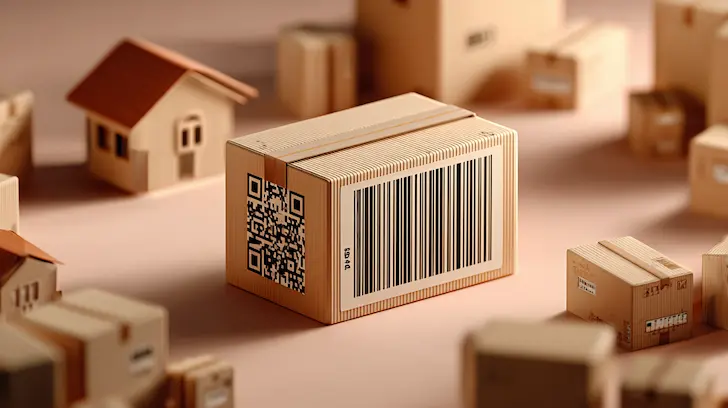
Every square millimeter of a toy box is valuable marketing real estate. Our design team works within the licensed toy packaging design framework to place barcodes in the most logistically efficient locations without compromising the visual appeal of the IP artwork. We ensure that the GTIN / EAN barcode labeling is placed on flat, accessible surfaces that are easy for handheld scanners and automated conveyer belts to read, while remaining subtle enough to stay out of the fan's focus. This balance of function and form is a hallmark of the Unstoyppable engineering process.
Early Integration:
Identification by Design
The most successful products are those where the barcode is integrated into the Character Engineering for Toys phase. Waiting until the final design stage to add a barcode often leads to compromised artwork or technical scanning failures.
Designing Around the "Quiet Zone"
A barcode is only as good as its ability to be read. This requires a specific "Quiet Zone"—the blank space surrounding the bars that allows a scanner to identify the beginning and end of the code. By integrating this requirement into the initial custom licensed product development stage, we ensure that the artwork flows naturally around the code. We utilize technical simulations to verify that the high-fidelity printing film for toy materials will maintain the necessary contrast ratios even under various retail lighting conditions. This foresight prevents the need for last-minute design changes and ensures a smooth transition from prototype to mass production.

Digital Twin Synchronization
During the toy prototyping manufacturer phase, we create a "Digital Twin" of the product that includes its assigned GTIN. This digital model is used to test the scanning accuracy of the packaging design before a single physical box is printed. By marrying the physical product engineering with its digital identity at the inception of the project, we provide our clients with an automated toy safety testing and logistical readiness level that is unmatched in the industry. This is how Unstoyppable ensures that your licensed products are truly "unstoppable" in the global marketplace.
%20Permanent%20Digital%20Integration.webp "In-Mold Labeling (IML): Permanent Digital Integration")
Strategic Identification Note: In 2026, GTIN / EAN barcode labeling is the essential link between physical manufacturing and digital retail. By building your licensed product SKU management on a foundation of GS1 standards and integrating identification early in the character engineering process, you ensure a frictionless path to market. Let Unstoyppable handle the technical architecture of your retail ID so you can focus on building your brand.
Technical Application:
Precision Printing and In-Mold Barcode Integration
In the technical sphere of 2026 manufacturing, a barcode is a precision-engineered component that must survive extreme industrial conditions. At Unstoyppable, high-fidelity barcode printing is treated with the same meticulous detail as the product’s mechanical tolerances. The physical application of a GTIN or EAN code involves a deep understanding of material science, ink chemistry, and toy material engineering. Whether we are integrating identification directly into a plastic part via in-mold barcode labeling or applying a scannable toy surface code via heat-activated films, our goal is absolute permanence. A barcode that degrades during transit is a failure of engineering; therefore, we utilize advanced production techniques to ensure every scan is successful, from the first warehouse intake to the final retail point-of-sale. By matching the application technique to the specific substrate, we guarantee retail-ready barcode systems that exceed ISO standards.
In-Mold Labeling (IML):
Permanent Digital Integration
For high-durability toys and products where traditional stickers are insufficient, we utilize in-mold barcode labeling (IML). This process creates a symbiotic bond between the identification data and the product itself, making the barcode an inseparable part of the item’s physical structure.
The Engineering of Mold Inserts and Resin Fusion
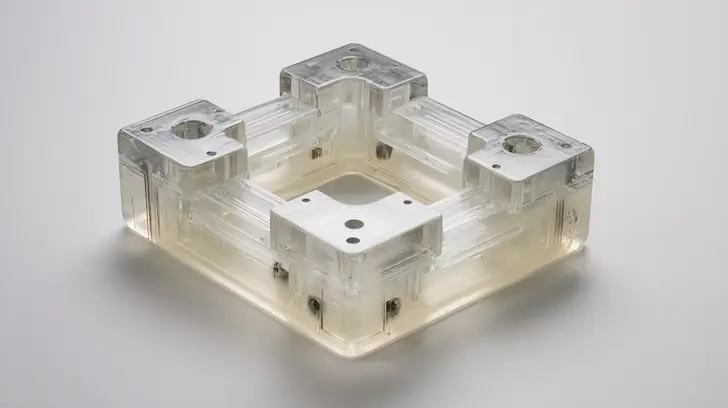
During the injection molded toy manufacturer cycle, a pre-printed, high-resolution polypropylene (PP) label is positioned precisely within the mold cavity by robotic arms. As the molten plastic resin is injected, it fuses with the label at a molecular level. This results in a scannable toy surface code that is flush with the product's surface, resistant to scratching, and entirely waterproof. The precision required for this task is immense; the label must withstand the high-pressure environment of the mold development & injection tooling without warping or losing print clarity. This technique is especially vital for outdoor toys or "blind box" collectibles where the identity must remain intact even if the outer packaging is discarded.
Ink Chemistry for High-Heat Environments
The inks used in in-mold barcode labeling are specifically formulated to maintain pigment stability at temperatures exceeding 200°C. We utilize heat-stable pigments that prevent "color bleed" or barcode expansion during the cooling phase. By maintaining the "Grade A" contrast between the black bars and the white background, we ensure that the finished injection molded toy manufacturer part remains scannable under the most demanding industrial laser environments. This is toy material engineering at its most practical, providing a permanent data link for the product's entire lifecycle.
Heat Transfer and Printing Films:
High-Contrast Surface Coding
When the product design requires decoration and identification on secondary surfaces, we utilize advanced heat transfer printing film for toys. This method allows for high-density data to be applied to curved or textured surfaces with remarkable precision.
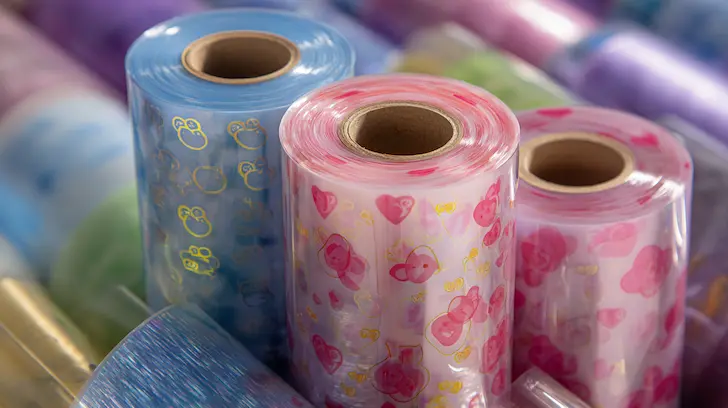
Multi-Layer Printing Film for Toy Materials
Our printing film for toy materials consists of a carrier layer, a release layer, and a high-opacity ink layer. We utilize a high-carbon black ink that provides the ultimate contrast ratio, which is essential for high-fidelity barcode printing. During the application process, controlled heat and pressure transfer the barcode from the film to the toy's surface. The resulting scannable toy surface code is ultra-thin yet highly durable, resisting the oils from human skin and the friction of toy manufacturing logistics. This technique is the preferred choice for licensed merchandise manufacturer projects where the barcode needs to be applied to a specific, small-scale area like a character’s base or accessory.
Durability Against Scuffing and Environmental Degradation
To further protect the data, we often apply a protective "over-varnish" film. This ensures that the high-fidelity barcode printing does not flake or fade when exposed to UV light or the fluctuating temperatures typical of international toy shipping. By engineering the film's adhesion properties to match the surface energy of the plastic (such as ABS or PVC), we achieve a bond that withstands the toy quality and safety compliance tests required by global regulators.
Zero-Tolerance for Scuffed Labels
Don't let poor labeling lead to retail rejections or warehouse delays. Discover our permanent in-mold and high-durability printing film for toy materials today.
Substrate Interaction:
Mastering Print on SBS and Corrugated Board
The majority of GTIN / EAN barcode labeling occurs on packaging materials. Understanding how different paper fibers interact with ink is the key to maintaining "Grade A" scan rates on the retail shelf.

Managing Ink Absorption on SBS and E-Flute
Solid Bleached Sulfate (SBS) board provides a superior, non-porous surface for high-fidelity barcode printing. However, for retail-ready packaging logistics, we often use corrugated E-flute or B-flute. These materials have higher absorption rates, which can cause "ink spread," potentially blurring the barcode’s bars and narrowing the "Quiet Zone." Our retail-ready packaging manufacturer process compensates for this by utilizing specific "Dot Gain" adjustments in the pre-press stage. We precisely calculate the spread of the ink based on the fiber density of the board, ensuring the final printed barcode matches the digital master file with zero deviation.
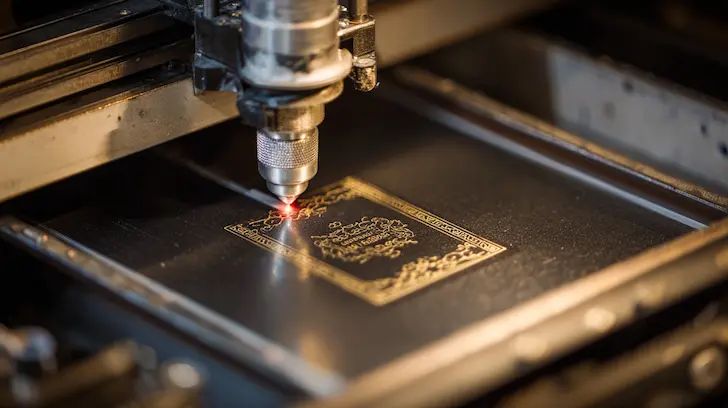
Anti-Scratch Lamination and Barcode Clarity
To ensure the barcode survives the "rubbing" inherent in toy manufacturing logistics, we often apply an anti-scratch lamination. We select matte or gloss films with specific refractive indices that do not interfere with the laser or LED scanners used in modern warehouses. This technical choice ensures that the GTIN / EAN barcode labeling remains crystal clear and fully scannable, even after weeks of maritime transit and multiple handling stages.
Laser Etching for Collectibles:
The Non-Intrusive ID
For high-end collectible figure manufacturer projects, aesthetics are paramount. A traditional black-and-white barcode can sometimes detract from the artistry of a high-fidelity sculpt.
Precision Fiber Laser Marking
In these specialized cases, we utilize fiber laser marking to etch laser-etched barcodes for toys directly into the material. This process changes the molecular structure of the plastic surface, creating a permanent, high-contrast mark without the use of inks. The laser can etch 2D DataMatrix codes or small-scale GTINs onto the bottom of a figure's foot or the back of a display base. These scannable toy surface codes are virtually indestructible and provide a sleek, premium feel that resonates with adult collectors. This technique is a perfect example of how Unstoyppable integrates IP protection in China manufacturing with high-end aesthetic standards.

Validation of Etch Depth and Contrast
Our quality control team uses digital micrometers and contrast analyzers to verify the integrity of every laser-etched barcode for toys. We ensure the depth of the etch is sufficient for permanent identification but shallow enough to maintain the toy material engineering integrity of the part. This provides a discreet yet powerful tracking tool that satisfies both the logistical requirements of the retailer and the aesthetic requirements of the fan.

Technical Execution Note: Precision in GTIN / EAN barcode labeling is the difference between a successful global launch and a logistical nightmare. By mastering in-mold barcode labeling, heat transfer printing film for toys, and laser-etched barcodes for toys, Unstoyppable ensures your data is as durable as your product. Trust the engineers who understand the chemistry of identification.
Scan-Rate Validation:
Zero-Tolerance Quality Control for Global Distribution
In the high-speed world of 2026 retail fulfillment, a barcode is more than a sequence of lines; it is a critical key that unlocks access to global markets. At Unstoyppable, we implement a barcode scan-rate validation protocol that treats every printed code as a technical component subject to rigorous quality control. The journey from our audited factory network China to the shelves of a major retailer involves multiple automated scans—at the port, in the distribution center, and at the point of sale. Any failure in this chain results in significant delays. Our system ensures that every GTIN / EAN barcode labeling application meets international standards for contrast, clarity, and dimensions. By ensuring that every unit is "scan-ready," we facilitate customs clearance barcode verification and provide our clients with the peace of mind that their products will move through the global supply chain with zero friction.
ISO/IEC 15416 Testing:
The Engineering Standards of Scannability
We do not leave scan accuracy to chance. Our quality assurance teams utilize professional grade verifiers to benchmark every production batch against ISO/IEC 15416 standards.
Verifying Quiet Zones and Contrast Ratios
A barcode’s success depends on the "Quiet Zone"—the essential blank space surrounding the bars—and the reflectance contrast between the bars and the substrate. During the custom toy box printing phase, we utilize high-resolution analyzers to measure these parameters. If a printing film for toy materials or a specific ink density begins to deviate from the master sample, our automated toy safety testing alerts the production line instantly. This precision ensures that whether a warehouse uses a long-range laser scanner or a modern 2D imaging scanner, the GTIN / EAN barcode labeling delivers a successful read on the first attempt, every time.
Durability Verification for Long-Haul Shipping
Because toy packaging often faces abrasion and humidity during international toy shipping, we subject our barcodes to rub tests and environmental stress simulations. We ensure that the high-fidelity barcode printing remains intact and scannable even after weeks of exposure to the maritime climate. This proactive validation is a core component of our retail-ready packaging manufacturer service, ensuring that the digital identity of the product is as durable as the physical toy inside.
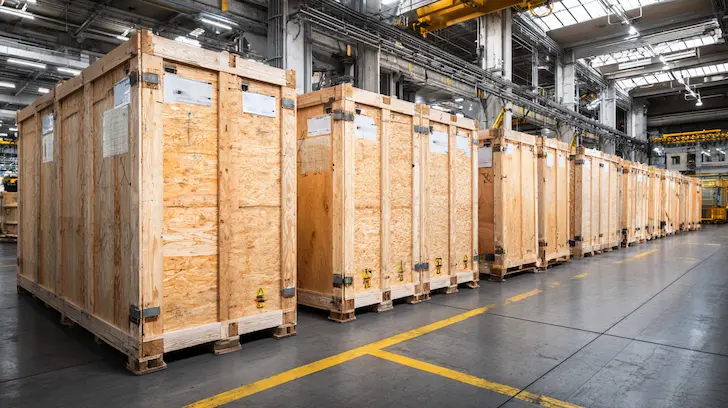

Verified Packing and Palletization
As products move through the final assembly phase, our ERP production tracking system scans every individual retail box before it is placed into a master carton. This creates a digital parent-child relationship between the GTIN / EAN barcode labeling on the toy and the SSCC (Serial Shipping Container Code) on the pallet. This automated check verifies that the correct character variants are packed in the correct quantities, eliminating the "wrong SKU" errors that plague unorganized manufacturing operations. This digital thread ensures 100% accuracy in your licensed product SKU management, allowing for precise inventory control across global warehouses.
Retail Chargeback Prevention
Major retailers like Walmart and Amazon impose heavy fines, known as chargebacks, for unscannable or mislabeled goods. Our barcode scan-rate validation process acts as a financial insurance policy for our clients. By providing a verified "Scan-Audit Trail" from our China toy export logistics hub, we demonstrate that every item left the facility in perfect retail-ready condition. This authoritative data prevents disputes and protects your profit margins, ensuring that your licensed merchandise distribution remains a profitable venture.
Secure Your Global Supply Chain Today
Physical goods require digital accuracy. Secure your global supply chain with verifiable, high-performance GTIN / EAN barcode labeling and ISO/IEC 15416 verification.
Customs Transparency:
The Barcode as a Compliance Portal
In 2026, customs authorities in the US and EU are increasingly moving toward digital-first inspections. A barcode scan at a port of entry can now provide instant access to a product's compliance history.
Linking to the Children’s Product Certificate (CPC)
By scanning the GTIN / EAN barcode labeling on an Unstoyppable shipment, customs officials at the Port of Long Beach or Rotterdam can pull up the product's digital technical file. This includes the third-party toy lab testing data, material safety data sheets (MSDS), and the CPSIA compliance manufacturing certificates. This level of customs clearance barcode verification provides an unprecedented level of transparency, allowing your goods to be processed via "Green Lanes" that prioritize verified, high-compliance shipments. This reduces "Time-at-Port" and ensures your seasonal launches hit the shelves without administrative delays.
Simplified Audits and Material Tracking
Should a regulatory audit occur, our ERP toy production tracking allows us to trace a specific barcode back to the raw material batch and the specific injection molded toy manufacturer shift. This "molecular traceability" ensures that any safety queries can be answered with hard data in hours rather than days. At Unstoyppable, we use barcoding to transform the toy manufacturing logistics process into a transparent, secure, and highly efficient digital ecosystem.
GTIN / EAN Barcode Labeling FAQ
What is the difference between a GTIN and an EAN barcode?
A GTIN (Global Trade Item Number) is the actual number that uniquely identifies your product. An EAN-13 (European Article Number) is the symbology—the physical bars—that represents that number on your packaging. We ensure your GTIN / EAN barcode labeling is configured correctly for both US (UPC) and international (EAN) scanning systems.
Do I need a unique barcode for every character variant?
Yes. Retailers require each unique item to have its own GTIN to manage inventory accurately. We assist in licensed product SKU management, ensuring that different characters or "chase" variants are assigned unique codes to trigger correct reordering at the point of sale.
How do you prevent barcodes from being damaged during shipping?
We utilize anti-scratch lamination and high-durability printing film for toy materials. Additionally, our toy manufacturing logistics protocols ensure that master cartons are palletized to minimize friction and "scuffing" that could obscure the GTIN / EAN barcode labeling.
Does Unstoyppable assist with GS1 registration?
While the brand owner typically holds the GS1 license, Unstoyppable provides the technical guidance to ensure your numbers are formatted correctly for retail-ready barcode systems. We verify your codes against the GS1 registry to ensure 100% compliance before production begins.