Mastering Global Compliance:
The 2026 Framework for Toy Safety
In the high-stakes world of international retail, compliance is the absolute ticket to entry for the world's most lucrative markets. As we move through 2026, the regulatory landscape has shifted from a series of guidelines into a rigorous, digitally-enforced legal framework. For brand owners and license holders, understanding these shifts is no longer just a legal necessity—it is a competitive advantage. At Unstoyppable, we have transitioned from a traditional manufacturer into a total regulatory consultancy, ensuring that every product moving through our audited factory network in China is engineered to meet the latest 2026 standards before the first prototype is even cast. Whether you are navigating the new EU Digital Product Passport requirements or China’s updated GB series, our global toy safety standards 2026 roadmap provides the security your brand deserves.
The EU Toy Safety Regulation (TSR) 2025/2059:
A New Era of Enforcement
The most significant transition in recent history is the shift from the old EU Toy Safety Directive to the new EU Toy Safety Regulation (TSR), which entered into force on January 1, 2026. Unlike a directive, this Regulation is directly applicable across all EU Member States, eliminating the discrepancies of national interpretation and creating a unified, high-security barrier for entry.
The Rise of the Digital Product Passport (DPP)
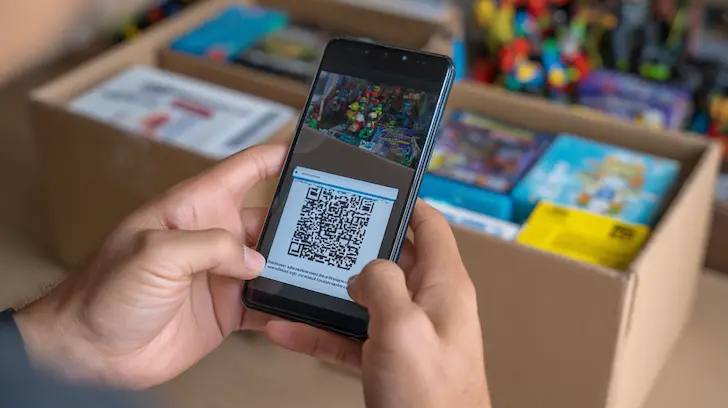
Under the new TSR, compliance is no longer a paper-based exercise. Every toy placed on the EU market in 2026 must now feature a Digital Product Passport (DPP). This digital "identity card," accessible via a mandatory QR code on the packaging, contains real-time safety data, chemical assessments, and EN71 compliance guide documentation. At Unstoyppable, we integrate the DPP generation into our ERP production tracking system, allowing customs authorities and consumers to verify your product’s safety with a single scan. This transparency is the benchmark of modern licensed merchandise production.
Expanded Chemical Prohibitions
The 2026 Regulation significantly tightens the noose on hazardous substances. It introduces a blanket ban on endocrine disruptors, respiratory sensitizers, and the intentional use of PFAS (Forever Chemicals). By leveraging our transparent supply chain manufacturing, we ensure that every material, from the internal foam to the external paint, is pre-screened to exceed these new EU health protections, effectively future-proofing your product against upcoming 2027 and 2028 chemical restricted lists.
North American Pillars:
CPSIA and the 2026 ASTM F963 Updates
The US market continues to be anchored by the Consumer Product Safety Improvement Act (CPSIA), but 2026 brings critical refinements to the ASTM F963 mandatory requirements, particularly regarding emerging toy technologies and materials.
Mandatory Third-Party Testing and the CPC
In North America, the ASTM F963-23 (and its 2026 amendments) remains the gold standard. A key requirement is that all testing must be performed by CPSC-accepted third-party toy lab testing facilities. We manage this entire loop, generating the mandatory Children’s Product Certificate (CPC) for every shipment. This document is your legal shield, certifying that the product has passed rigorous tests for lead content, phthalates, and mechanical integrity. Our toy manufacturing logistics team ensures that these certificates are digitally linked to your shipping documents for seamless US Customs clearance.
New Performance Requirements for "Active" and "Smart" Toys
The 2026 updates to ASTM F963 introduce stricter requirements for battery accessibility—requiring captive screws even after high-intensity drop tests—and new safety thresholds for water-absorbent materials (water beads). As a leader in electronic toy manufacturer solutions, we have updated our internal engineering standards to exceed these ASTM F963 mandatory requirements, ensuring that even the most innovative "smart" toys are inherently safe.
China’s 2026 GB Standards:
The Mandatory CCC Gateway
For brands looking to manufacture in China for the domestic market, the new GB 6675-2025 series is the new mandatory benchmark. Effective from late 2025 and fully implemented in 2026, these standards represent a complete overhaul of China’s toy safety code.
The GB 6675-2025 Series:
Aligning with ISO 8124
China’s updated Safety of Toys—Part 1: Basic Code (GB 6675.1-2025) and its mechanical/flammability counterparts are now closely aligned with the ISO 8124 international toys framework. This alignment is excellent news for global brands, as it reduces the "testing gap" between Western and Eastern markets. However, the China Compulsory Certification (CCC) remains a mandatory requirement. Our fama compliant factory in China partners are fully vetted for CCC-compliant production, handling everything from the initial product review to the final factory audit by Chinese authorities.
Don't Navigate the 2026 Regulatory Maze Alone
Secure your global market access with a compliance-first manufacturing partner who understands the 2026 shifts in EN71, ASTM, and GB standards.
View Our Compliance Certifications | Compare Global Standards
The "Foreseeable Use" Doctrine:
Testing Beyond the Manual
The most profound change in 2026's approach to global toy safety standards is the legal emphasis on the "Foreseeable Use" doctrine. Modern regulators no longer ask if a toy is safe when used correctly; they ask if it is safe when a child interacts with it in the most imaginative—and potentially dangerous—ways.
Anticipating "Reasonably Foreseeable" Misuse
The foreseeable use doctrine requires us to test for scenarios such as a child attempting to swallow a small part that was "permanently" attached, or using a plush toy as a projectile. Our character engineering for toys team conducts "Use and Abuse" testing that mimics these real-world behaviors. This includes 2026-specific tests for "tension," "torque," and "compression" that go beyond the baseline requirements. By assuming the child will misuse the product, we build in safety margins that protect both the user and your brand’s reputation.
Mental Health and Digital Safety Assessments
For the first time in 2026, the definition of "safety" in the EU and some US states has expanded to include the mental health and cybersecurity of digitally connected toys. Under the ISO 8124 international toys evolution, we now perform safety assessments that cover data privacy and the potential for harmful AI interactions. It is a holistic approach to toy safety regulations by region that ensures "Unstoyppable" quality means safety in every dimension—physical, chemical, and digital.
Expert Compliance Note: In 2026, compliance is not a checkbox; it is a continuous engineering philosophy. By aligning with EN71 compliance guide protocols and ASTM F963 mandatory requirements at the design stage, we eliminate the risk of retail recalls and customs delays. Precision in compliance is the ultimate foundation for brand growth.
Beyond Heavy Metals:
Advanced Chemical Compliance and Traceability
In 2026, the definition of toy safety has undergone its most radical transformation in decades. While the industry has historically focused on the migration of heavy metals like lead and cadmium, the modern regulatory era prioritizes the invisible: molecular safety and digital transparency. Technical buyers and compliance officers now face a landscape where "Forever Chemicals" and endocrine disruptors are subject to blanket prohibitions, and where paper certificates of conformity are being replaced by the mandatory digital product passport for toys. At Unstoyppable, we recognize that chemical integrity is a "Safety by Design" fundamental. By conducting a rigorous toy chemical safety assessment at the molecular level, we ensure that your IP is not only iconic but also chemically pure. Our 2026 manufacturing protocols are engineered to anticipate material rejections before they happen, providing a secure, transparent supply chain manufacturing solution that meets the highest bars set by the EU and North American authorities.
The Intentional Use Ban on PFAS:
Eliminating "Forever Chemicals"
The year 2026 marks a decisive turning point in the war on Per- and Polyfluoroalkyl Substances (PFAS). These "Forever Chemicals," once valued for their water-resistant and non-stick properties, are now strictly regulated in toy production due to their environmental persistence and bioaccumulative nature.
Navigating the EU and California PFAS Prohibitions
The new EU Toy Safety Regulation (TSR) 2025/2509, fully active in 2026, explicitly bans the intentional use of PFAS in toys and toy components. Simultaneously, in the United States, California’s AB 1817 and subsequent 2026 juvenile product updates have effectively shuttered the market for any children’s goods containing intentionally added PFAS. This is no longer a matter of "migration limits"—it is a zero-tolerance policy. As a leading partner in ethical toy manufacturing China, Unstoyppable has already audited our entire audited factory network in China to eliminate PFAS from coatings, textiles, and internal lubricants. We provide our clients with a "PFAS-Free Declaration" backed by Total Organic Fluorine (TOF) testing, ensuring your product remains compliant in every jurisdiction.
Material Substitution Without Performance Loss
Eliminating PFAS requires more than just removing a chemical; it requires advanced toy material engineering. We work with specialized polymer scientists to identify bio-based and silicone-based alternatives that provide the same haptic feel and durability without the toxic legacy. Whether it is a water-resistant plush character or a smooth-sliding mechanical joint in an action figure, our phthalate-free toy materials and PFAS-free alternatives ensure that your brand maintains its premium feel while adhering to the strictest toy chemical safety assessment standards of 2026.
Endocrine Disruptors and Sensitizers:
The New 2026 Focus
Regulators in 2026 have shifted their focus toward substances that interfere with a child's delicate hormonal development. The traditional "Top 19" heavy metal list has been expanded to include a much broader range of organic compounds.
Prohibiting Bisphenols and Hormonal Triggers
The 2026 bisphenol restriction in toys covers not just BPA, but the entire family of bisphenols (BPS, BPF, etc.) that can mimic estrogen. Furthermore, the EU TSR now includes a generic ban on respiratory and skin sensitizers. This means that fragrances and certain dyes previously considered "safe" are now prohibited if they pose even a minor risk of causing allergies. We manage this through a proactive "Chemical Restricted List" (CRL) that exceeds legal requirements, ensuring that your licensed merchandise production uses only the most inert and stable chemical stabilizers available.
Toxicological Risk Assessments (TRA) for Licensed Goods
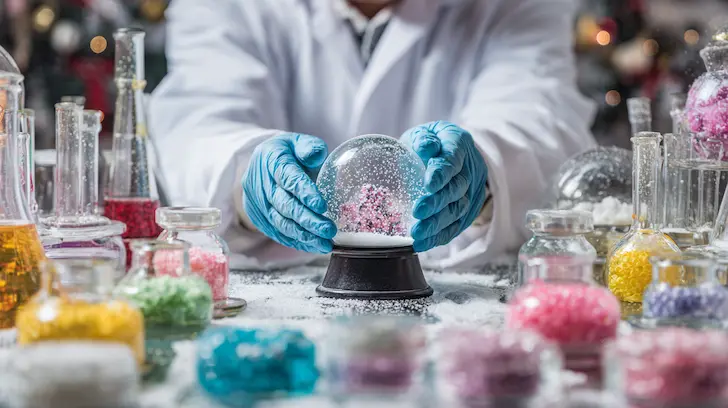
A Toxicological Risk Assessment (TRA) is no longer an optional "extra" for high-end collectibles; it is a critical step in the 2026 production cycle. For products involving liquids (like snow globes), play cosmetics, or "slime" materials, a TRA conducted by a board-certified toxicologist is mandatory. This assessment looks at the "combined exposure" risk—how different chemicals in a toy might interact. At Unstoyppable, we integrate the TRA into the custom licensed product development phase, providing a comprehensive report that satisfies both the licensor's brand protection team and global regulators.
Future-Proof Your Chemical Compliance
Upgrade your supply chain to meet the new 2026 chemical standards including the PFAS ban in toys 2026 and bisphenol restrictions.
Implementing the Digital Product Passport (DPP):
Traceability in the Palm of Your Hand
Perhaps the most visible change for technical buyers in 2026 is the digital product passport for toys. This is the new "digital soul" of every product entering the European Single Market.
Technical Integration:
QR Codes and Data Carriers
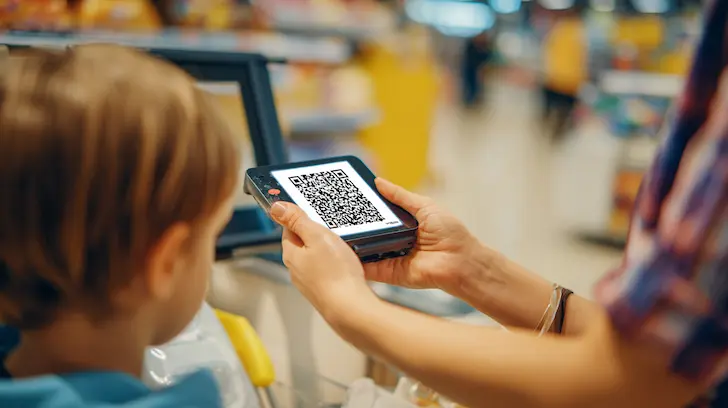
The DPP is a digital identity card linked to a specific toy model via a unique data carrier (typically a QR code) printed permanently on the product or its packaging. This passport contains the product's full compliance history, including test reports, EN71 compliance guide data, and manufacturer details. We have integrated DPP generation directly into our ERP production tracking system. This means that as each batch is tested and approved, the digital record is automatically updated, ensuring that customs officials and retail buyers have instant, transparent access to the product’s safety pedigree.
Empowering Customs and Consumers
The digital product passport for toys serves a dual purpose. For customs authorities, it allows for "automatic checks" at the border, significantly reducing the lead time for global distribution for licensed products. For the consumer, it builds immense brand trust. A parent can scan the toy in a retail aisle and instantly verify that it is free from bisphenol restrictions and PFAS chemicals. By adopting the DPP early, we help our clients turn a regulatory hurdle into a powerful marketing tool that demonstrates their commitment to child safety.
Safety by Design:
The Unstoyppable Protocol
Our 2026 approach to chemical safety is not reactive; it is foundational. We call this the "Unstoyppable Protocol."
Batch-Level Chemical Fingerprinting
We do not rely solely on yearly certificates from material suppliers. Our third-party toy lab testing partners conduct "chemical fingerprinting" on every major batch of raw material entering our factories. This ensures that no "grey market" additives—often the source of phthalate-free toy materials violations—ever enter the production line. This level of granularity is what allows us to maintain our status as a trusted secure supply chain for licensed products partner for the world’s most protective entertainment franchises.

Preparing for the 2030 Horizon
While 2026 introduces the DPP and new bans, we are already looking toward the 2030 sustainability requirements of the Ecodesign for Sustainable Products Regulation (ESPR). Our toy material engineering team is currently testing recycled-content polymers that meet both the high-clarity requirements of character figures and the strict purity requirements of the 2026 toy chemical safety assessment laws. When you partner with Unstoyppable, you are not just meeting today's standards—you are staying ahead of tomorrow's.
Technical Insight: In 2026, the digital and chemical worlds have merged. Success in the licensed character product manufacturing process now requires a manufacturer who can manage both PFAS-free material sourcing and digital product passport data integration. Safety by Design is the only path to 100% retail readiness.
Industrial Physical Testing:
Guaranteeing Mechanical Integrity at Scale
In the high-velocity world of 2026 retail, a product’s physical integrity is its primary defense against liability and brand erosion. While chemical purity is essential, the "physical hardware" of safety—how a toy withstands the chaotic environment of actual play—is where retail-ready toy safety compliance is truly proven. At Unstoyppable, we move beyond basic checks to implement a "Zero-Risk Manufacturing" protocol. This involve a relentless suite of mechanical toy safety testing designed to simulate years of wear, tear, and "reasonably foreseeable" abuse in a matter of days. By the time your product leaves our audited factory network in China, it has been squeezed, dropped, pulled, and probed to ensure it meets every mandatory standard for the world’s most demanding retail shelves.
The Small Parts & Choking Hazard Protocol:
The 31.7mm Defense
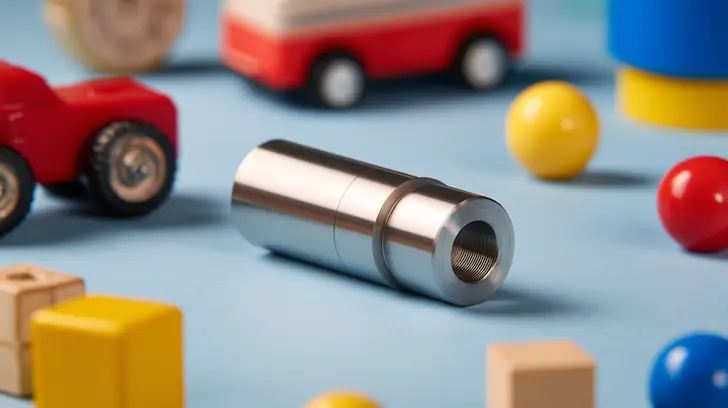
Choking remains the leading cause of toy-related recalls globally. Our defense begins with the industrial application of the Small Parts Test Cylinder, a precision-engineered tool used to protect children under 36 months.
Simulating the Vulnerable Airway
The small parts cylinder is a hollow, truncated tube with an inner diameter of 31.7mm, specifically designed to simulate the fully expanded throat of a child under 3 years of age. During our mechanical toy safety testing, any component that fits entirely within this cylinder without compression is classified as a "small part." For toys intended for the 0-3 age bracket, such parts are strictly prohibited. We don't just test the toy as it is sold; we test it after "abuse conditioning." If a limb, a button, or a decorative element breaks off during a 90 Newton tension test and fits in that cylinder, the design is immediately sent back to character engineering for toys for reinforcement. This meticulous approach is why our licensed merchandise production maintains a flawless safety record.
2026 Battery & Magnet Safety:
Beyond the Screw
The 2026 regulatory update—including the full implementation of Reese’s Law standards and the new EU TSR—has elevated the requirements for internal components that pose "invisible" risks, specifically lithium batteries and high-powered magnets.
Magnet Ingestion Mitigation
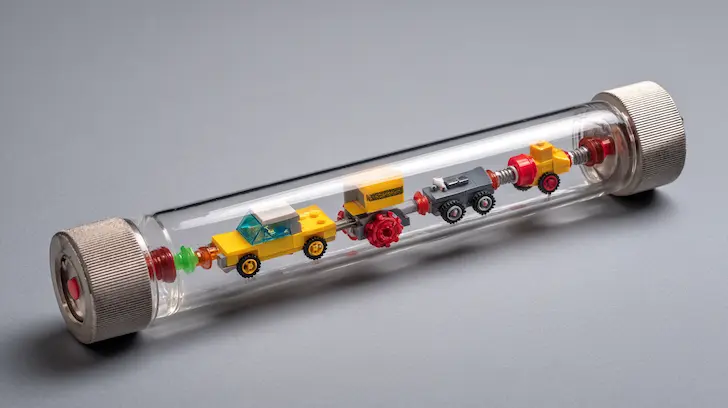
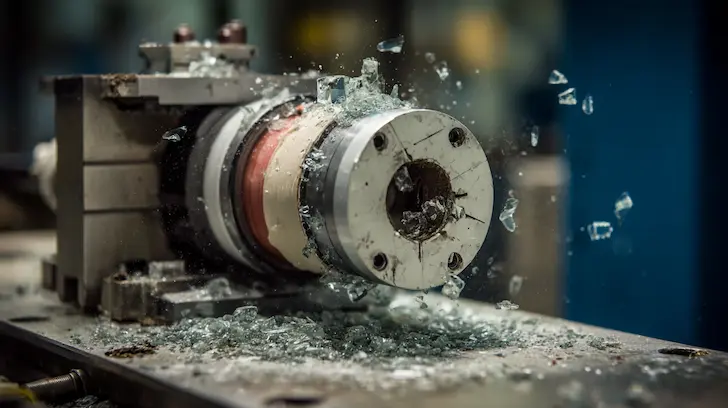
High-powered magnets, if swallowed, can cause catastrophic internal injuries. Our 2026 protocols for retail-ready toy safety compliance require that all magnets be "double-encapsulated" within the plastic mold. We perform destructive soak tests and cyclic impact tests to ensure that these magnets never become accessible, even if the toy’s outer shell is compromised. This level of physical security is what makes your product truly retail-ready for global franchises.
New 2026 Standards for "Water Beads" and Squeeze Toys
Following the significant CPSC rulings in December 2025, the landscape for expanding materials and "sensory" toys has changed. Unstoyppable is at the forefront of these new global toy safety standards.
The "Funnel Test" for Expanding Materials
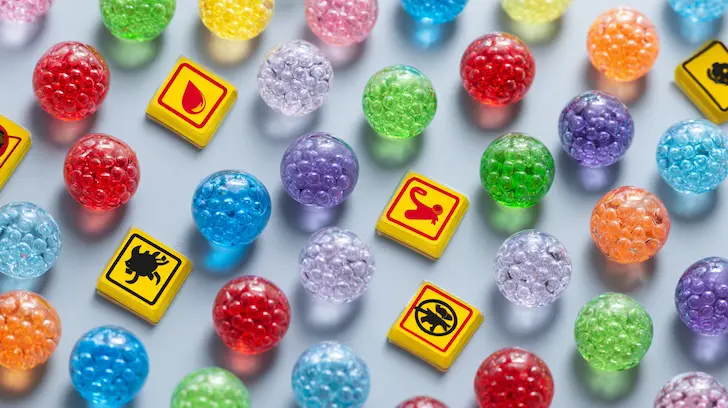
The new 16 CFR 1250 requirements (effective March 2026) introduce a mandatory expansion limit and a specific "funnel test" for water beads and toys containing them (like squishy stress balls). If a bead expands but breaks apart into small, sharp fragments, it fails. We utilize specialized toy material engineering to ensure that any absorbent polymers used in our soft goods manufacturing lines remain structurally stable and non-toxic, specifically meeting the new 325 µg acrylamide extraction limit. For brands involved in the "squishy" toy trend, our 2026 testing ensures your products are safe from the ingestion and aspiration risks that have recently plagued the industry.
Zero-Risk Manufacturing is Here
From the lab to the retail shelf—ensure your brand is 'Unstoyppable.' We synchronize third-party lab testing with daily production for 100% peace of mind.
AQL Inspection & Lab Synchronization:
Maintaining the Standard
The most dangerous gap in manufacturing is the "sample-to-production" delta—where the lab-tested sample is safe, but the mass-produced units vary. We close this gap through AQL (Acceptance Quality Limit) synchronization.
Daily Inline Testing and Lab-to-Line Calibration
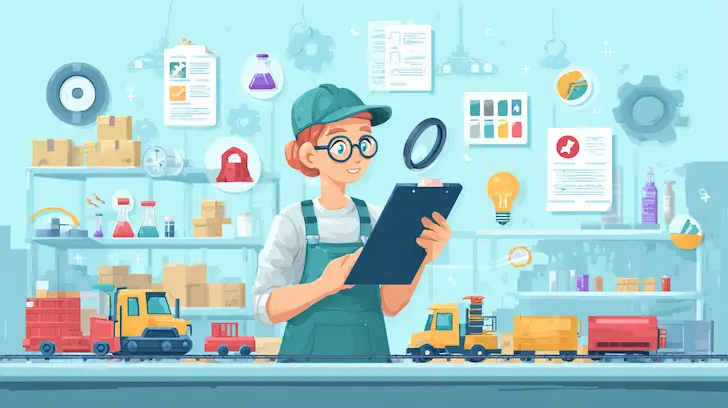
We don't just test at the beginning; we test throughout. Using AQL inspection in toy manufacturing (typically GII Level 0/2.5/4.0), our inspectors pull samples directly from the assembly line and perform "mini-lab" tests on-site. These include tension tests on joints and "drop-on-concrete" tests to ensure the 100,000th unit is as robust as the Golden Sample. If any batch shows a deviation in material density or weld strength, the line is stopped immediately. This synchronization between third-party toy lab testing and the factory floor is the only way to ensure 100% retail-ready toy safety compliance in a mass-production environment.
Global Toy Safety Standards FAQ
What is the most common reason toys fail safety inspections in 2026?
In 2026, the most common failures involve chemical non-compliance (specifically PFAS and phthalate traces) and mechanical failure during "reasonably foreseeable abuse" tests, such as small parts detaching from plush toys or figurines after repeated drops.
Do I need separate tests for the US and the EU?
Yes. While ASTM F963 (US) and EN71 (EU) share many physical test methods, they have different chemical limits and documentation requirements. The EU now requires a Digital Product Passport (DPP), while the US requires a Children’s Product Certificate (CPC) based on CPSC-accepted lab results.
How does Unstoyppable ensure that factories actually use the approved materials?
We implement material traceability by conducting random chemical "fingerprinting" on raw resins and paints as they arrive at the factory. This ensures the phthalate-free toy materials approved during the Golden Sample phase are the exact same materials used in the final production run.
What is a Children’s Product Certificate (CPC) and who is responsible for it?
The CPC is a mandatory document for the US market that certifies a product meets all applicable safety rules. As your licensed toy manufacturer in China partner, Unstoyppable generates the CPC based on third-party toy lab testing, though the importer of record is legally responsible for issuing it.